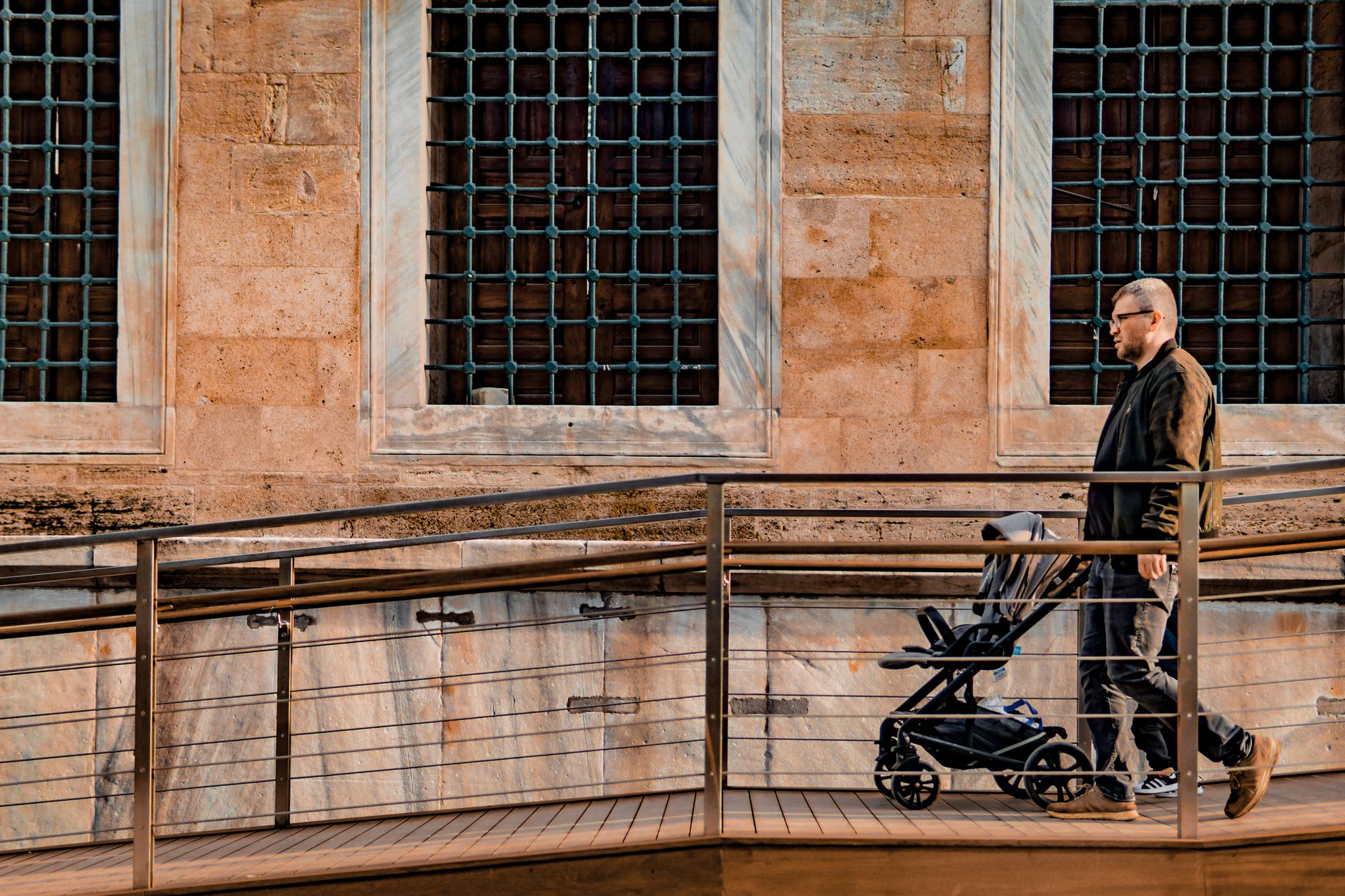
The Ramp Where the Boat Used to Sit
So I made some calls. I called Dale first, my foreman, who has been climbing poles for twenty-six years and once built a wheelchair ramp for his father-in-law in a single weekend.
“Is this the boat thing?” Dale said, before I could get two sentences out. “My wife’s sister lives on your mom’s street. I heard about it twenty minutes ago.”
That’s a small town for you. I didn’t even mind. I told him what we needed, and he said, “Give me an hour,” and hung up.
I called Mike, who sets poles with me most days and has four kids under ten and never sleeps anyway.
I called Travis, who is twenty-three and on our crew a year, and who said “Yes, sir” before I’d finished asking.
None of them came in company trucks. You don’t take the district’s bucket truck to a private job, not ever, and every one of them knew it.
They came in their own pickups, one after another, while the sun was getting low and orange over the elevator.
Dale had a load of pressure-treated lumber in his bed that he’d picked up at the lumberyard on the way.
“Hank called ahead,” he said, and nodded across the street. “Put it on his account. Said he’d fight anybody who tried to pay him back.”
Mike brought work lights and two extension cords. Travis brought a cooler, a cordless drill, and four boxes of deck screws.
Joan Wiebe brought a pan of bars and a pot of coffee and set them on the hood of my truck without a word.
While they unloaded, Rick backed his pickup up to the boat trailer. He hitched it himself.
I watched him cross the safety chains under the tongue and plug in the lights, and he did it right, the way he’d taught me.
He pulled the boat out of the drive and around to the alley behind the house. Nobody said anything to him.
Nobody had to. When he came walking back up the side of the house, the whole drive was full of men and lumber.
Dale did the figuring on a scrap of two-by-six with a carpenter’s pencil.
He is the kind of man who does everything on a scrap of something with a carpenter’s pencil.
“Three steps, seven inches each,” he said. “Twenty-one inches of rise. One foot of ramp for every inch of rise if she’s going to push herself up it someday, and she is. So twenty-one feet of run, plus a landing at the top where she can turn and get the door open.”
“That’s a lot of ramp,” Travis said.
“It’s a lot of mother,” Dale said, and that was the end of the discussion.
They laid it out along the side of the drive, running from the porch down toward the street, right where the boat trailer had been sitting an hour before.
Mike strung a line and Travis drove stakes, and I started digging the first post hole by hand.
The ground was hard. It hadn’t rained in three weeks and the clay under the sod was like brick.
I hit it with the post-hole digger until my shoulders burned, and I was glad, because it gave me something to hit.
About the third hole, a shadow fell across me. Rick was standing there with Hank’s other post-hole digger.
He didn’t ask. He just picked a stake and started digging next to me.