The Two Miles I Pushed My Son
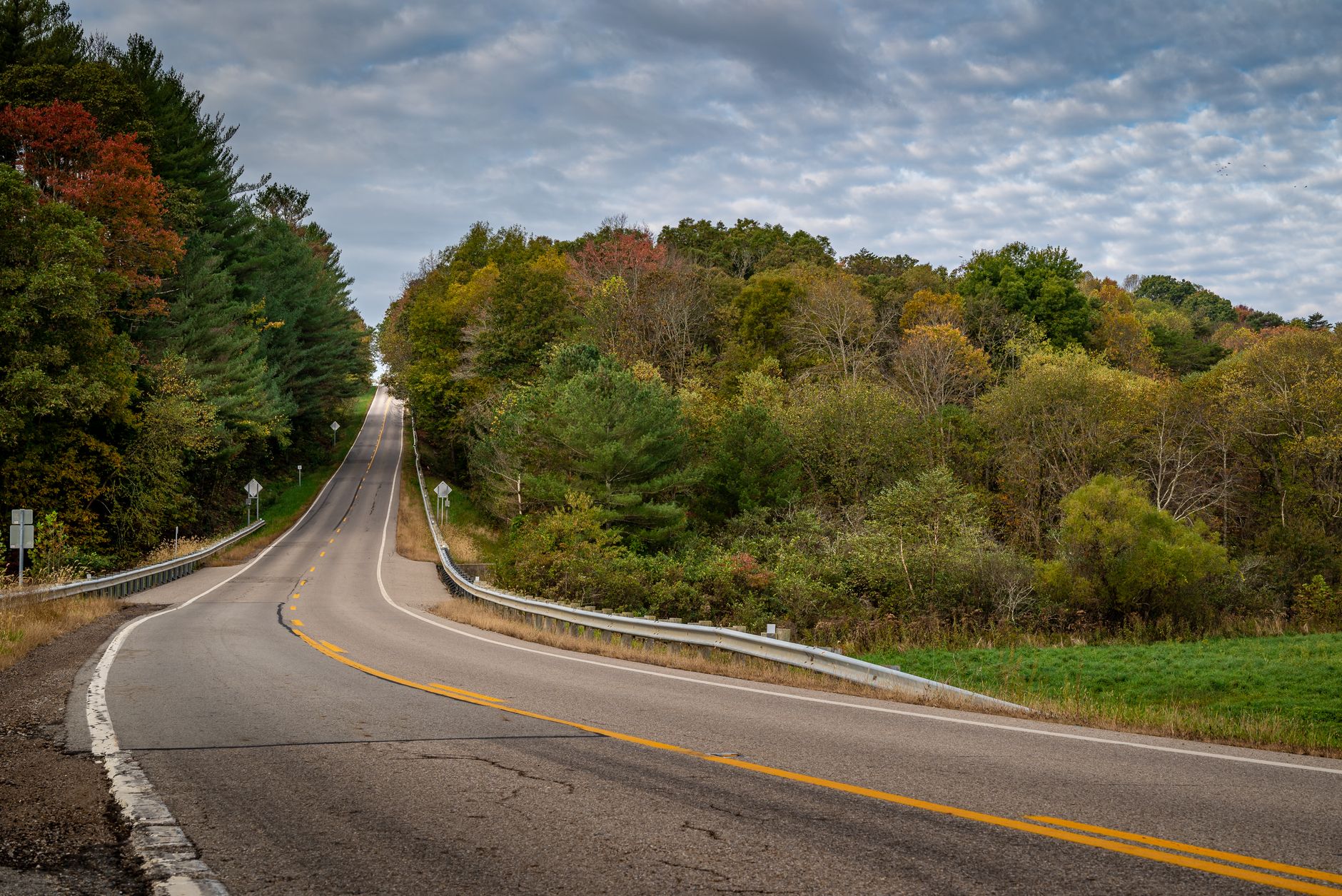
The honking starts
The second vehicle was a pickup, an old blue Ford going the other way, toward us, into town. It slowed as it came even with us, and the man driving rolled down his window. He was maybe seventy, ball cap, a thermos on the dash. I knew him a little. Everyone knows everyone a little out here. His name was Earl and he ran cattle off Route M.
“Robin?” he said. “That you? Where’s your van at?”
I had not planned on telling anybody the truth. But Earl had a face like my own grandfather’s, and I was tired, and it came out.
“Lift’s broke,” I said. “Shop’s closed till Tuesday. He’s got a thing at school he can’t miss. So we’re walking it.”
Earl looked at Eli. “That a diving tank, son?”
“It’s Jacques Cousteau’s,” Eli said. “He went down four hundred feet.”
Earl nodded slow, like that was serious business, which to him it clearly was. Then he looked back at me, and something moved in his face.
“You hang on right there,” he said. “Don’t you go another step.”
He pulled his truck off onto the far shoulder and he got out, and he was already on his phone. I could not hear what he said. But I saw him point down the road at us, and I saw him nod, and when he hung up he crossed the road to us.
“My boy’s got a wheelchair van,” Earl said. “His wife’s mama used it before she passed. It’s sitting in his barn in Ash Grove. He’s twenty minutes out. He’s coming.”
I started to say he did not have to do that. Earl held up a hand.
“I know he don’t have to,” he said. “He’s coming.”
The road fills up
While we waited, we kept walking, because Eli was cold if we stood still, and because I did not know how to just stand on a road.
But word travels in a place like ours faster than any van can drive.
Earl must have made more than one call, or the woman in the silver Honda had made one of her own, because the next car that came by did not ask if we needed help. It slowed and a hand came out the window and waved, and the horn gave two short friendly taps, and a voice called, “You go, honey!”
Then a minivan with a mom and three car seats slowed down, and the mom leaned across and called, “I’m so sorry, I’ve got no room or I’d load you up, but you are doing great, both of you.”
Then a fellow in a work truck with a ladder rack honked and gave a thumbs up out the window.
Eli had been slumped down in his chair, holding the tank against his chest, watching the gravel go by under his feet. But the honking did something to him. He sat up a little. The third or fourth time a car tapped its horn and somebody waved, he lifted one hand off the tank and waved back.
Just a small wave. Shy. The kind of wave where your elbow stays at your side.
“They’re waving at me,” he said, and he said it like a question.
“They sure are,” I said.
“Why?”
I did not have a clean answer for that. I still do not, not one that fits in a sentence. The best I had was the truth.
“Because people out here can’t stand to see somebody have a hard morning by themselves,” I said. “It bothers them. So they holler at you to let you know they see you.”
A truck full of teenagers on their way to the high school went by and the whole bunch of them leaned out the windows hollering, not mean, just loud and glad, and Eli grinned so wide the cold could not touch it, and he put his whole arm up and waved like he was on a parade float.
I had to turn my face away and look at the beans for a minute.