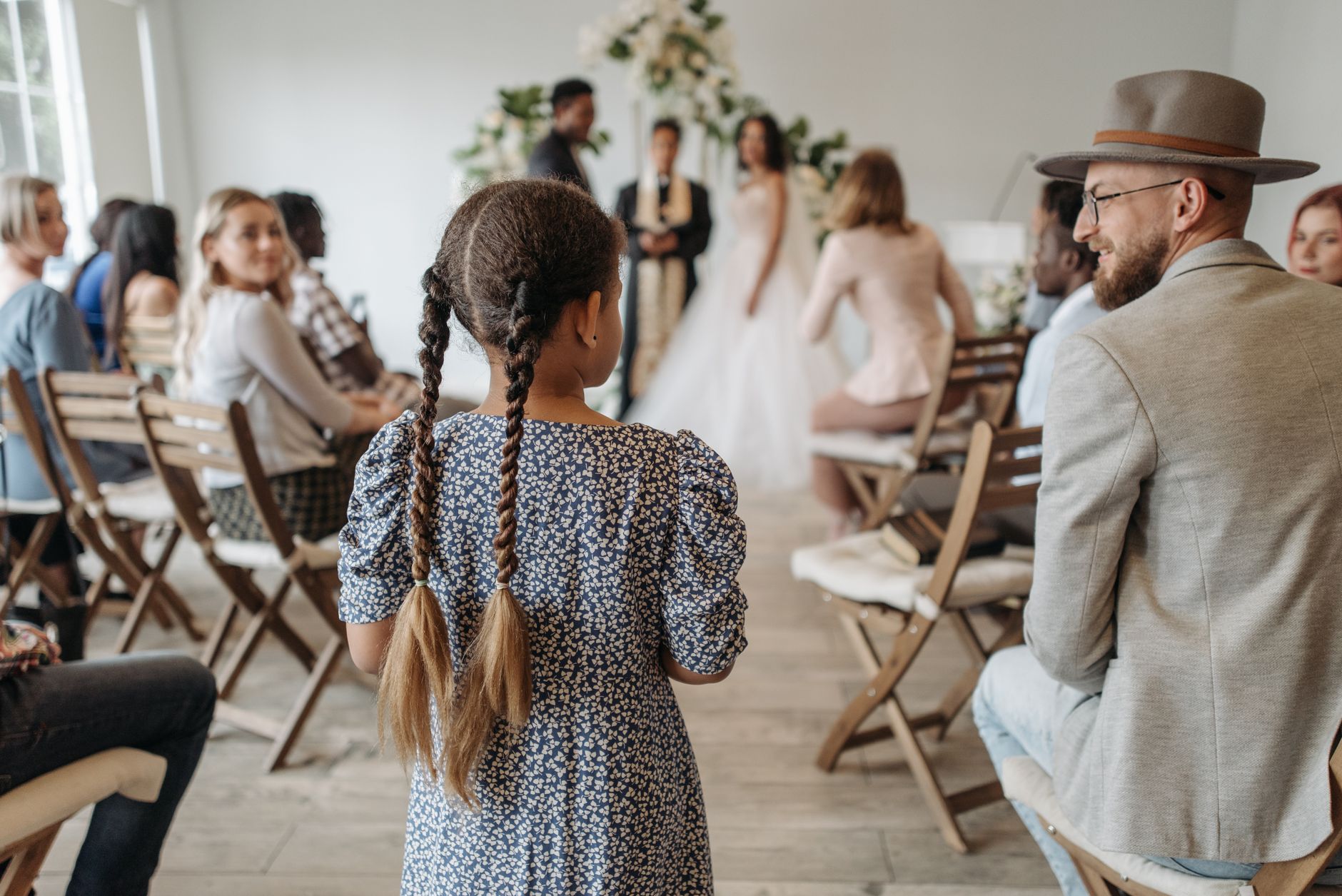
The Top Tier I Sent My Niece
He came back forty minutes later and found me on the linoleum floor still dancing and he gave me a nod across the hall, the box delivered, and I nodded back and kept dancing, and that, I thought, was the end of it.
It was not the end of it, but I did not know that yet.
The party wound down the way good ones do, by inches, the old folks first and then the families with the little ones and then the diehards, until it was Seth and me and Becca and Darlene folding tablecloths under the hall lights, and the mason jars of lilacs going home with whoever wanted them.
Seth drove us home with the windows down. I still had my mother’s veil in my lap in the grocery sack. I was not angry, which surprised me.
I had spent three weeks bracing for a grief that did not arrive the way I expected.
What arrived instead, in the truck with the warm air coming in, was something quieter and more permanent, a kind of settling, like a house finding its foundation after a long wet spring.
The people who came, came. The people who did not, did not. And I had a man beside me who danced with the ones nobody asks.
The Phone Call Three Weeks Later
Three weeks after the wedding my phone rang on a Tuesday evening while I was doing the clinic books at my own kitchen table, and the screen said it was April’s house, and I almost did not pick up.
But it was not April. It was Kaylee.
“Aunt,” she said, and her voice did the hiccup thing it does, only wrong, wobbly. “I’m calling to say thank you for the cake. It was really good.
I saved the card.”
“I’m so glad, baby,” I said. “You earned the sweet part.”
There was a quiet on the line, the kind where a kid is working up to a thing.
“Can I ask you something,” she said. “And will you tell me the truth.”
“I’ll always tell you the truth.”
“Why didn’t anybody go to your wedding?”
I had three weeks to prepare for that question and I had prepared for every version of it except the one where a fourteen-year-old asked it plain, in a wobbling voice, because she had done the arithmetic herself and she did not like the answer.
I could have told her the truth as I knew it. That the grown people chose her party over my wedding and dressed it up in milestones.
That her mother asked to borrow my cake while I stood in my veil.
Every word of it was true and every word of it would have gone into that child like a splinter and stayed there, and she would have carried it to her own wedding someday and pulled it out and looked at it, and I would have been the aunt who handed it to her.