The Row She Planted on Her Own Ground
The First Row
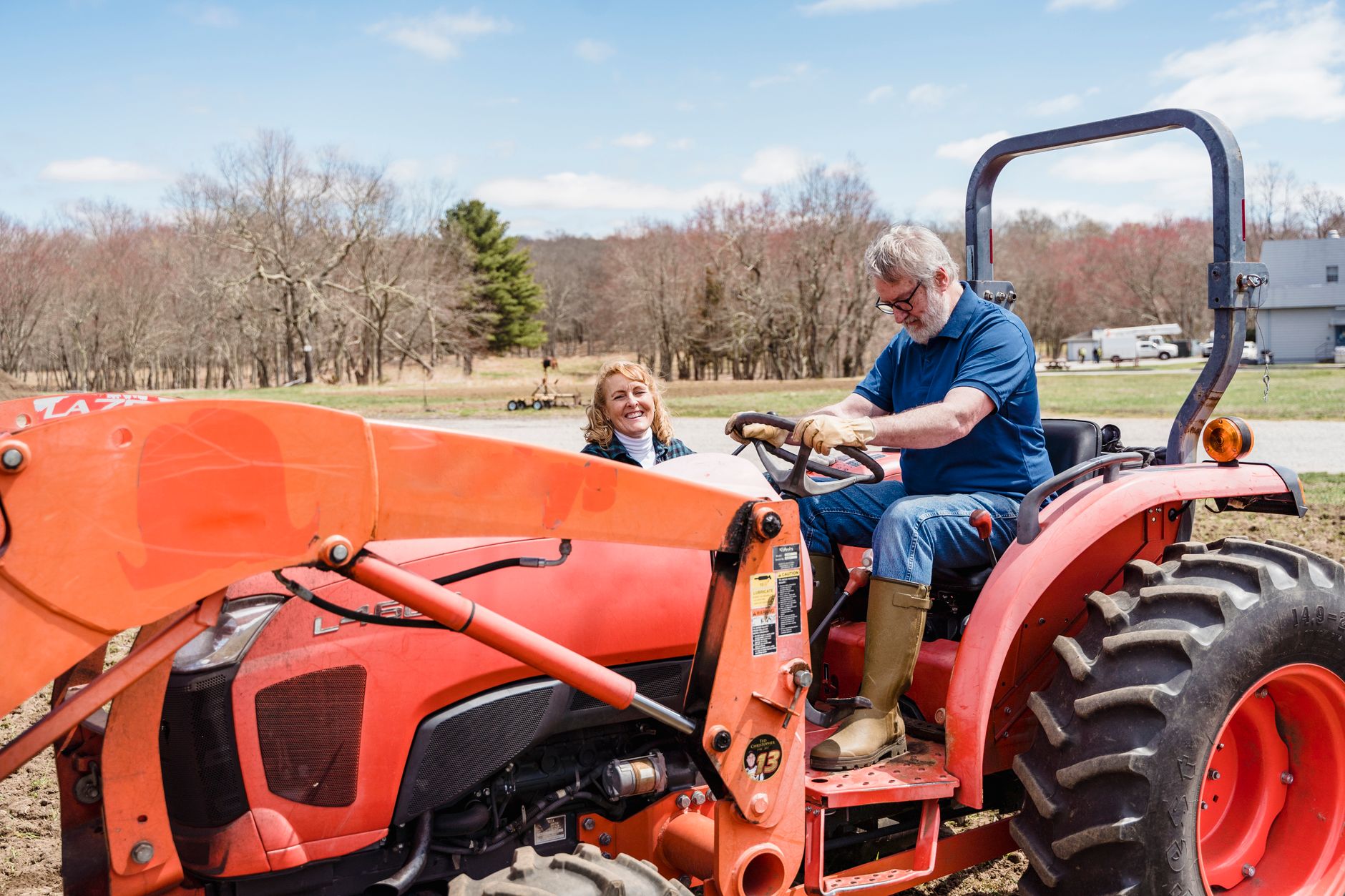
When the boxes were crowned full the boys stepped back off the planter. Shelby had the tractor running, that big diesel idling steady and patient, and she had the monitor up and the row markers dropped.
She looked out through the windshield at the sixty acres of open black ground running away north to the dark line of the timber.
She rolled her window down. “Mom,” she called out. “Which way did Grandpa plant it?”
The question took the legs right out from under me, and I had to stand there a second before I could answer. These tractors now, with the satellite guidance and the screens, they will plant any direction you point them, straight as a snapped chalk line, driving themselves while you sit there with your hands in your lap.
The way a field runs is a free choice now, not a thing the land forces on you. Shelby knew all that better than I do.
She was not asking me how to drive it. She was asking which way her grandfather, my father, used to lay his rows in this particular piece.
“North and south,” I said, when my voice would hold.
“Always north and south on the river piece. He said the corn ought to get the morning sun on the one side and the evening sun on the other, fair to every row in the field.
His own daddy planted it east and west, and your grandpa always said that cheated the back rows out of a fair share of the light.” I had not spoken my father’s reasoning out loud in thirty years and it came up out of me whole, like it had been sitting there the whole time waiting to be asked for.
“North and south. And he always started on the blacktop edge and worked toward the timber, so the very last row he put in every year was the one up tight against his own daddy’s windbreak. He liked to finish at the trees.”
Shelby sat with that a long moment. Then she reached over to the screen and I watched her shut the automatic guidance clean off.
The monitor beeped at her, unhappy about it. She took the wheel in both her hands.
“Then I’ll steer it myself,” she said. “I’m not going to let a satellite plant Grandpa’s field.”
And she lined the tractor up on the blacktop edge, sighting down the hood at a fence post the way he used to, and she dropped the planter into the ground and started north.
I stood at the end of the field with my two sons, and we watched the first row of my daughter’s life go into the ground. The planter laid it clean, all sixty feet of it wide, the row units ticking the seed in behind her one kernel at a time, and Shelby drove it dead straight by her own eye and her own two hands the whole half mile to the timber, and the dust came up gold behind her in the slant of the early light.
She did not touch the guidance once. She finished that first pass hard up against the windbreak, right where my father always finished, swung the planter around on the headland, and came back south toward us with the second row already going in.