The Meatloaf I Made for Sixty
The First Thursday
That first Thursday I came in at six in the morning, which felt like sleeping in after sixteen years of four forty, and I started pulling pans.
The home served sixty-two that winter, counting the two halls, the ones who came to the dining room and the ones on trays in their rooms. Sixty-two is a lot of meatloaf. I figured it like I used to figure a holiday rush: twenty-two pounds of beef to eleven of pork, four sleeves of saltines crushed in the big bowl by hand, a gallon and a half of milk, grated onion, the sage, and I cut Mama’s salt by better than half and made it up with more onion and a little garlic and a lot of black pepper, because the dietitian’s sheet said I had to and because I wanted every one of those old hearts to keep beating.
I mixed it with my bare arms up to the elbow in it the way Mama taught me, gentle, never packing it tight, because a packed meatloaf comes out like a brick. I pressed it loose into the long steam pans and scored the tops and laid on the glaze, ketchup and brown sugar and that one spoon of mustard, the same as always, in the last twenty minutes so it set up shiny.
The whole kitchen went warm and sweet with it. One of the aides, a young girl named Tasha, stuck her head in and said, “What is that,” like she had never smelled food in a kitchen before, and I realized she probably never had, not food that somebody made because they wanted to.
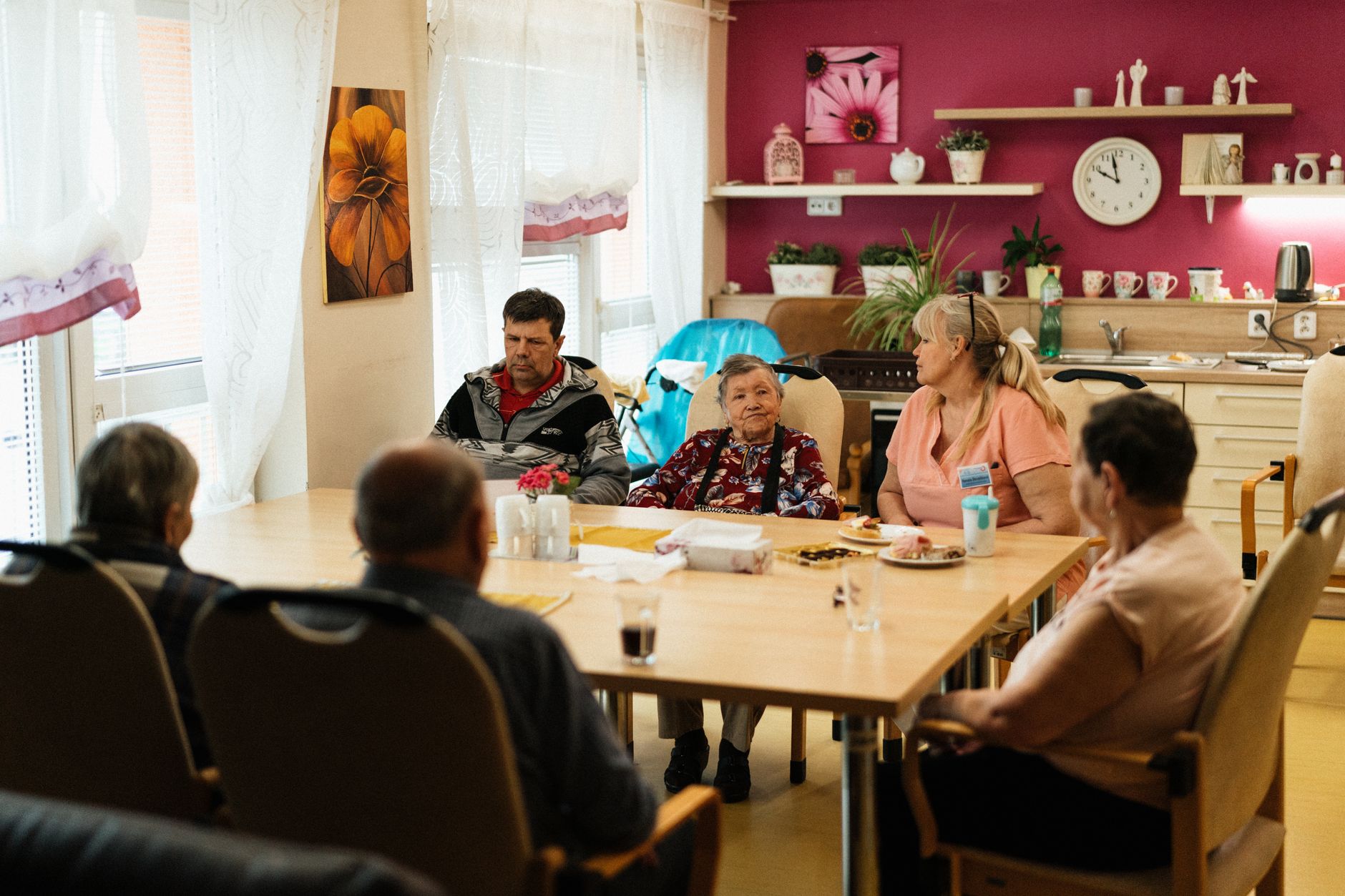
At eleven thirty I started carrying the pans out to the dining room myself, one on each oven mitt, past the long tables where sixty-some old people sat waiting on their trays, and I set the first pan down on the serving line, and the steam rose up off it into that bright room, and a little murmur went around the tables like a breeze through wheat.
I had not felt that in a month. That little murmur. That is the whole reason a person cooks.
A man at the end of the first table, a thin old fellow named Harold with an oxygen line taped to his cheek, waved me over with one shaky hand. I came and bent down to hear him.
“Young lady,” he said, “I have ate off that steam table for two years and I could not tell you one thing I have eaten. This I can smell from here.” He patted my arm. “Don’t you go anywhere.”
I promised him I would not. I have kept that promise. I serve Harold his plate first every Thursday now, meatloaf cut thin and the beans mashed soft so they go down easy past his oxygen, and he tells me every single week that he could smell it from his chair.