The Field He Watches From His Sink
The Boy From the Hill
It was a boy, maybe nine or ten years old, in a t-shirt two sizes too big for him, coming down the slope on the Len side with his sneakers kicking up little puffs of ash.
I knew him a little. That was Cody, Len’s grandson, who stayed summers and most weekends on account of some trouble at his mama’s place over in the next county.
I had seen the boy riding the quarter section on a little four-wheeler, up and down the ridge, but I do not believe I had ever once seen that child smile in two years of looking.
He came all the way down to the fence, to the burned-out run where there was no wire left at all for a hundred yards because it had melted right off the posts.
He stopped there on his grandpa’s side of where the fence used to be, with his hands jammed in his pockets, and he watched the green shirts work for a minute before he said anything.
“What are you planting,” he finally said.
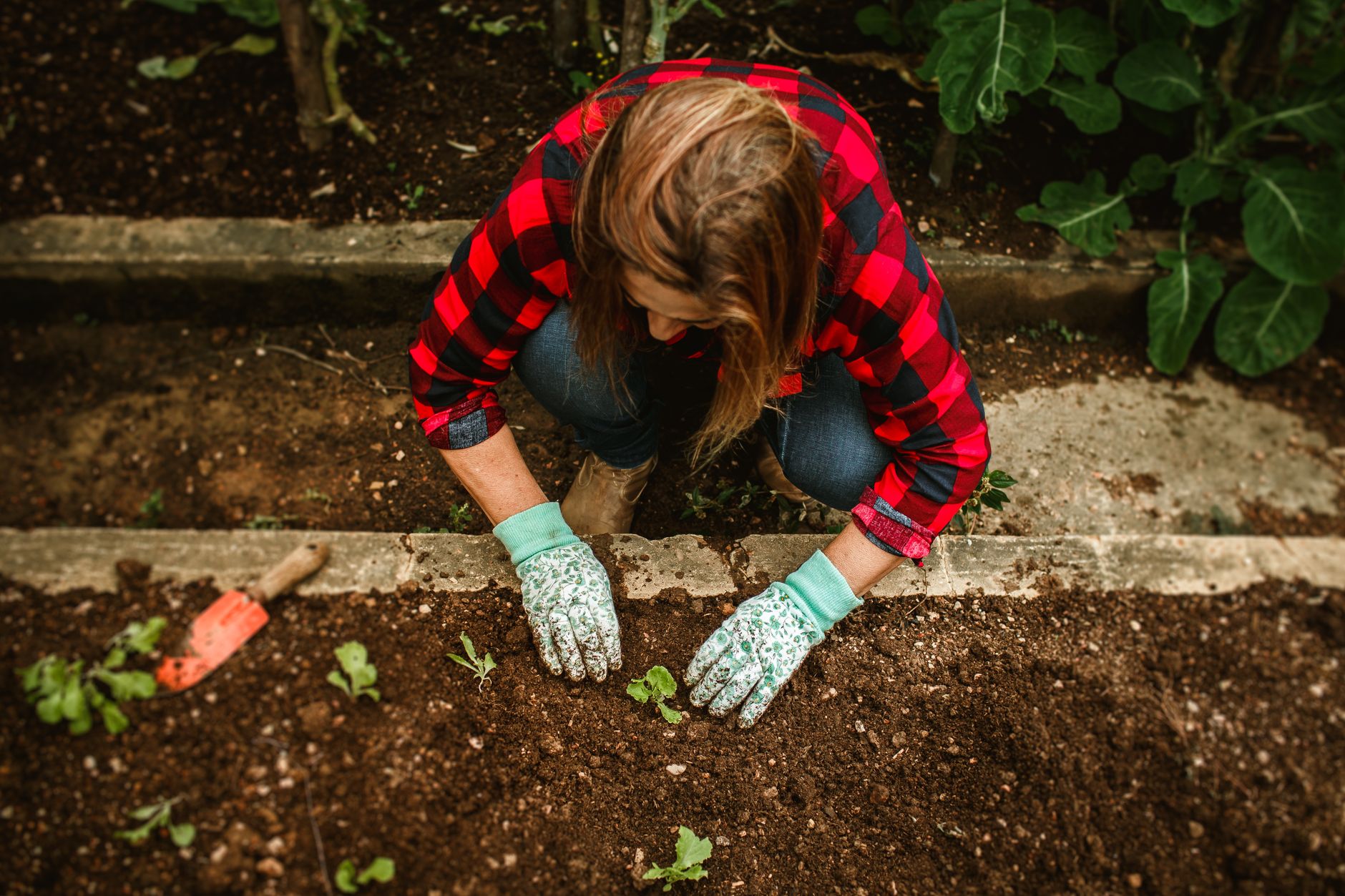
“Trees,” I told him. “Pine trees. We’re putting two thousand of them in this morning.”
He looked down the long rows of bent green backs and little standing seedlings, and then he looked back at me, and he said, “Can I.”
And I will tell you honestly, something turned over in my chest right then that I was not ready for.
Here was Len’s own blood, standing on the very line his grandpa burned, asking to help put it back.
I thought about every hard thing in me.
I thought about the coffee cup and the act of God and the year of black ground.
I thought about the window and my small ugly reason for the rows.
And then I looked at this boy with ash on his sneakers, who had not lit one match, who had nothing at all to do with any of it, and I said the only thing a decent woman could say.
I said, “Step on over the fence, honey. We saved you a row.”