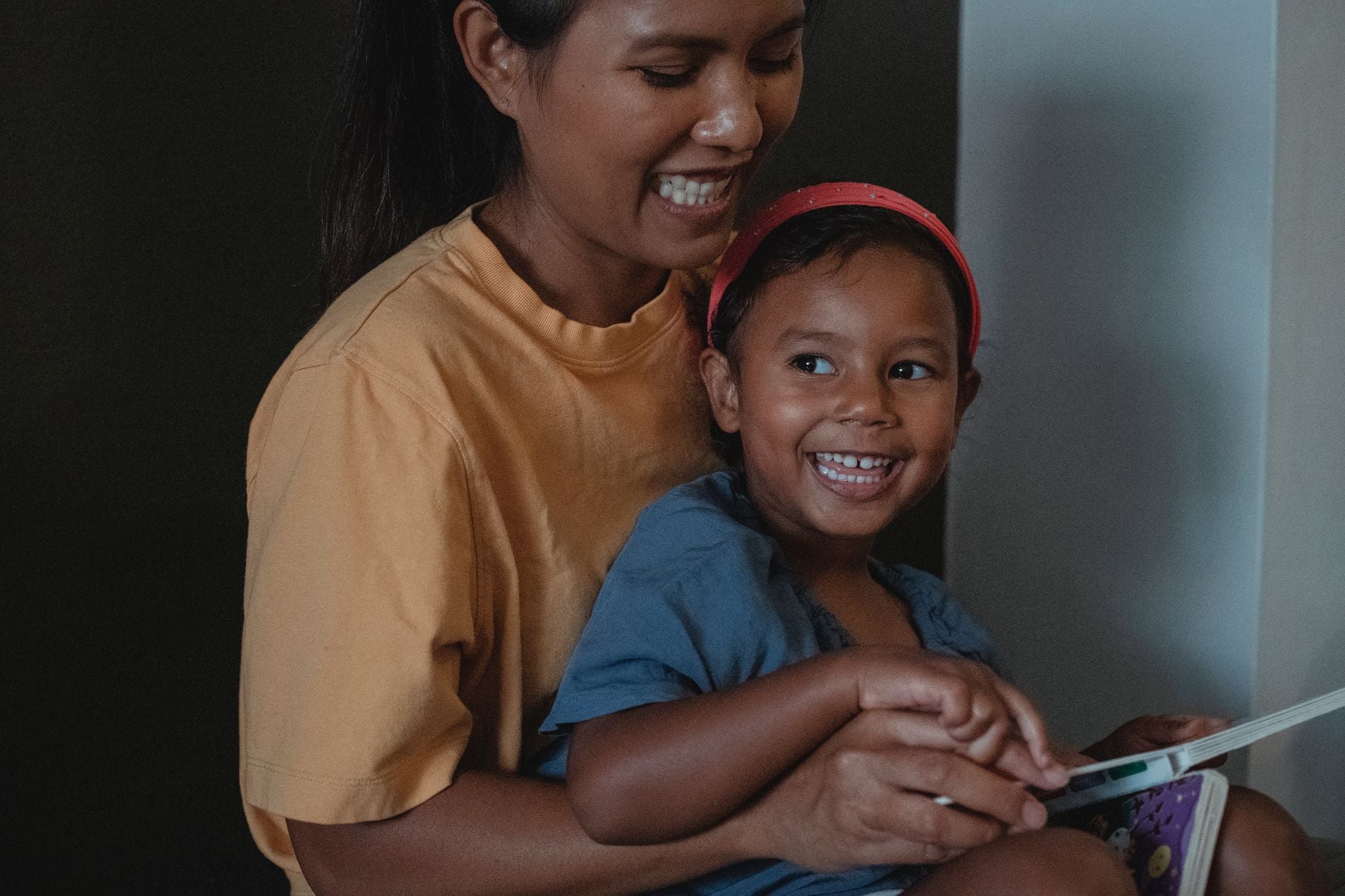
The Story Hour In My Front Room
Darla’s nursery
I heard how the nursery was going. You cannot not hear, in a town this size.
Darla had her system. She had a sign-in sheet and name tags and a schedule of activities typed out and laminated. She had bought new toys with the plastic still on them and a rule that the children were to be picked up at the exact minute the service let out.
And it was emptying.
Not all at once. But the mothers I was now seeing on Saturdays, a lot of them had been Sunday nursery mothers, and once a child has somewhere she is known, she does not do as well in a place where she is a name tag. By November I heard Darla some Sundays had two children and some Sundays had none, and she sat in that bright clean room with the new toys and the laminated schedule by herself.
I did not gloat. I need you to believe that, because it would be easy to make this a story about me winning and her losing, and that is not the story, and if I told it that way Harold would be ashamed of me.
What I felt when I heard was closer to worry. Because I had been twenty-nine once, and I remembered what it was to come into a new town where everybody already had their people and their history and their way of doing things, and to look around for the one thing that might be yours.
The nursery was the one thing Darla thought might be hers.
That is not an excuse for what she said to me. But it is a reason, and I have lived long enough to know the difference, and to know that most cruelty is just fear that got to the table first.
The thing I sent word about
Faye wanted me to let it be. “She made her bed,” Faye said. “Let her lie in that empty nursery.”
But it ate at me. Not what she had done to me. What she was sitting in alone on Sunday mornings while I had a front room full.
So one Saturday in late November I did a thing I did not tell Faye I was going to do, because she would have talked me out of it.
Steph was there with the twins, and I knew Steph went to the ladies’ quilting circle on Thursdays, and I knew Darla had started coming to that circle, trying to find her footing, sitting a little outside it the way a new person does.
I said to Steph, “If it comes up natural, would you tell Darla something for me.”
Steph looked wary. “Tell her what.”
“Tell her the door’s open.” I was cutting apples while I said it, not looking up, because it was easier that way. “Tell her if she ever wanted to come see what we do on Saturdays, bring an idea, she’d be welcome. And tell her the nursery and the story hour don’t have to be two different armies. There’s more children in this county than either one of us can hold.”
Steph stood there a second.
“You’re a better woman than me,” she said.
“No,” I said. “I’m just an older one. It’s mostly the same thing in the end.”