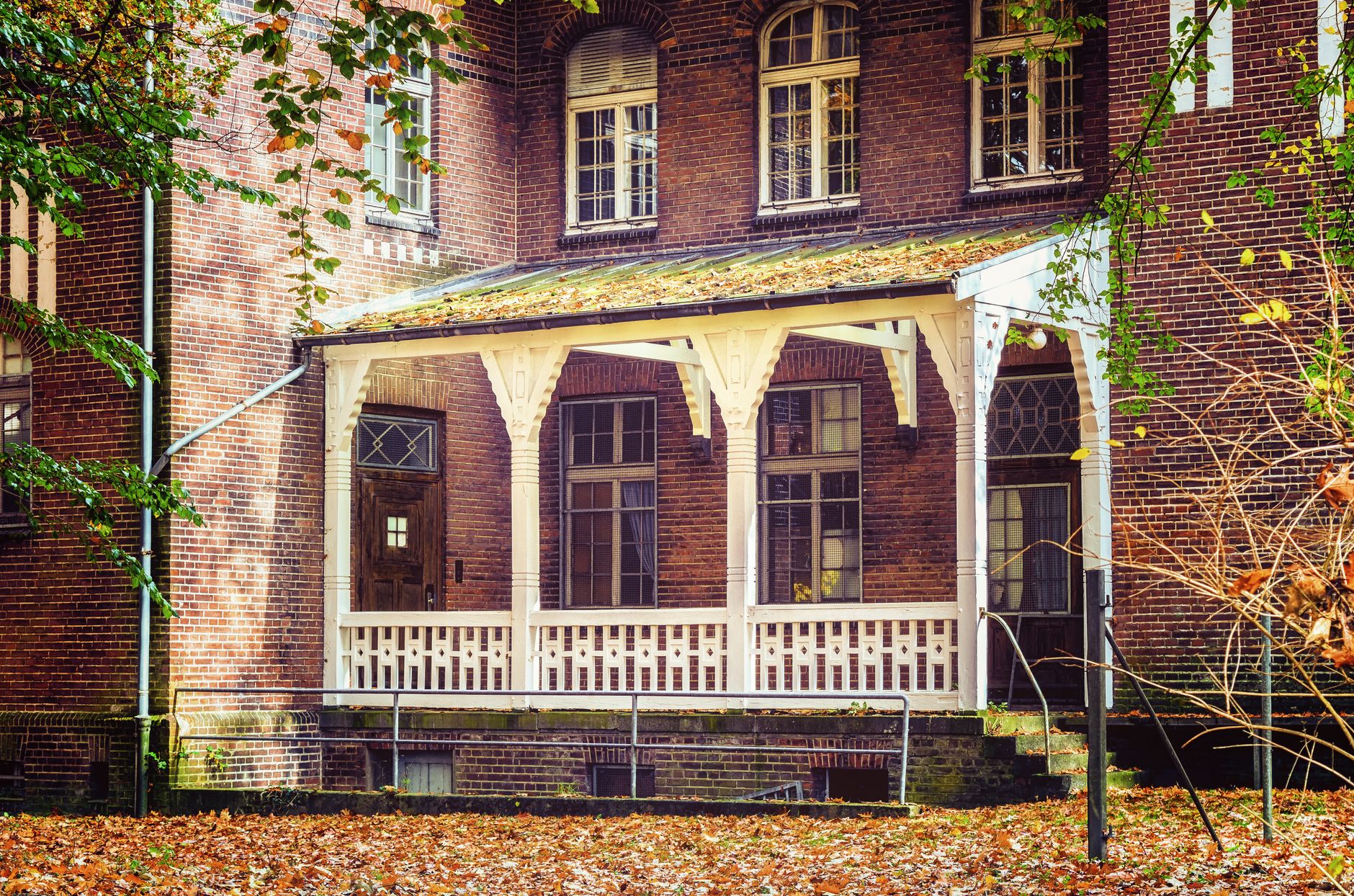
The Weekend at Grandma’s Brick Bungalow
She saw me first and started to smile, the easy smile she gives me when I bring groceries.
Then she saw Mom and Dad coming up the walk behind me, and the smile just stopped.
It didn’t fall. It stopped, the way a clock stops, right where it was. Her hand tightened on the door.
“Hi,” she said, and it came out about an octave too high. “Mom? Dad? What are you guys doing here? Nobody said anything to me about this.”
“Amanda invited us,” Mom said, and started up the steps with one hand on the iron rail. Dad stayed right behind her.
“Mom and Dad are staying the weekend,” I said, in my office voice, the one I use on insurance companies.
“They’re taking your room, Jess. The big bed’s easier on Dad’s back. You get the couch.”
Jessica looked at me for a long second. There was surprise in that look, and something close to anger.
Under both of them was something I hadn’t seen in my sister’s face since she was little. It was fear.
“You could have told me,” she said quietly, so Mom wouldn’t hear.
“I could have,” I said, and wheeled the suitcase past her into the house.
Grandma’s house, the way it was
Inside, the house looked the way it always looked, and that was the first thing that went wrong for my sister’s story. It was not falling apart. The furnace did not make a noise.
Grandma’s afghan was folded over the back of the couch, right where it belonged. It was the orange and brown and cream one she crocheted the winter I was born.
Every one of us grandkids had been wrapped in that afghan at one time or another. With the flu, or after a bad dream, or coming in from the snow with our cheeks burning.
Jessica had kept the house nice. I want to give her that, because it’s true.
The floors were swept and the dishes were done, and she’d even washed the front windows.
Mom walked through it slowly, touching things. The light switch plate by the kitchen door with the little crack she said she’d made with a roller skate in 1971.
The pencil marks inside the pantry door, where Grandma measured every grandchild on every birthday. Mom ran her finger down them until she found her own, in faded pencil, from fifty-some years ago.
“It looks just the same,” Mom said, and her voice wobbled. She turned to my sister in the kitchen doorway. “Jessica, honey, you told us the place was falling down around you.”
“It’s an old house,” Jessica said. She was twisting the cuff of her sleeve. “Things go wrong in old houses, Mom. The back step is rotted. I’ve been saying so for months.”
“I’ll look at the step,” said Dad.
He looked at it about ninety seconds after he set his bag on Grandma’s bed.
He went out the back door in his sock feet, crouched at the bottom of the back steps, and pushed the second tread with two fingers until it rocked.
“Stringer’s fine,” he announced through the screen. “Tread’s rotted along the front where the water sits. Whole board needs to come out. That’s a two hour job.”
He looked up at me over his glasses. “Mandy, Jess says she’s been asking you about this step since spring. Why didn’t you get on it?”
I was standing in the doorway. Jessica was behind me in the living room. I didn’t turn around to look at her.
I could feel her there, the way you can feel a stove that’s still on.
“Dad,” I said, “this is the first I’ve heard about the step. If anybody had asked me, Matt would have been over here with a board the same afternoon.”
He didn’t say anything. He looked at me, then past me at the screen door, the way he used to look at a lawnmower engine that wasn’t telling him the whole truth.
“Well,” he said finally, standing up slow with a hand on his knee. “I’ll need a two by twelve. Treated. A five foot board is plenty.”
“There’s a lumberyard in Lincoln,” I said. “Twenty minutes up the road. I’ll ride with you.”