The Weekend at Grandma’s Brick Bungalow
The house Grandma left me
Here is what you need to know about the house, because everything that happened that weekend turns on it.
My grandma, Mom’s mother, lived in the same red brick bungalow in Atlanta, Illinois, for fifty-one years.
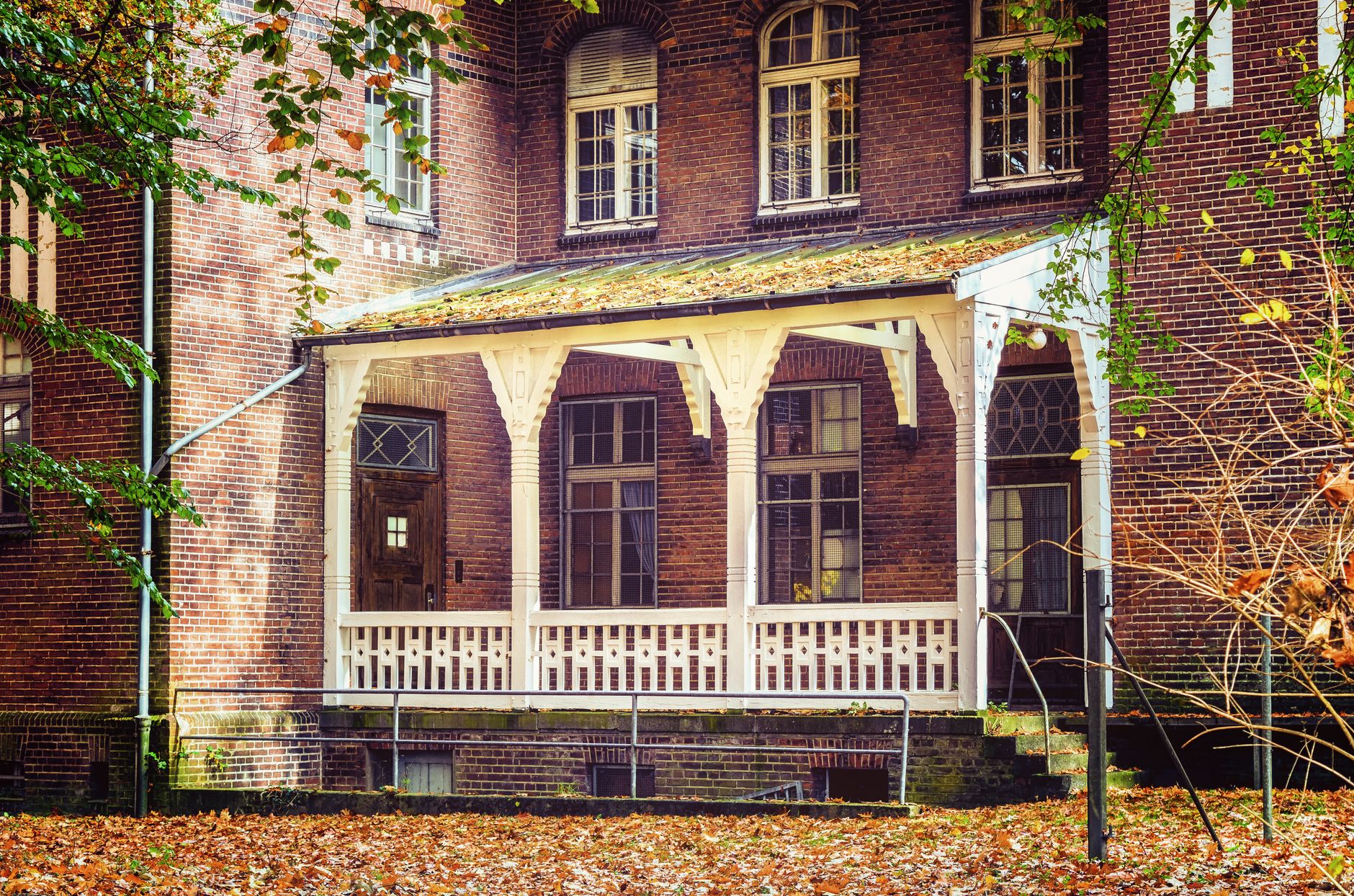
It sits on a corner lot a couple of blocks off old Route 66, with a covered front stoop and a big maple.
The kitchen still smells like coffee and Crisco if you stand in it long enough. The rooster clock over the stove still ticks loud enough to hear from the front walk on a quiet day.
For the last six years of her life, I was the grandchild ten minutes away.
I drove her to the heart doctor in Bloomington and sorted her pills into the little plastic box every Sunday night.
When she passed two Septembers ago, she left the house to me. She’d told Mom first, years before.
Mom said it was right, since she and Dad had their own place paid off up in Moline.
Grandma left Jessica her wedding ring and her cedar chest. Nobody fought about any of it. I want that on the record, because people always assume an inheritance is where a family breaks.
Matt and I already had our little ranch house across town, and a mortgage on it. I didn’t need a second house. I needed somebody living in that one, so the pipes wouldn’t freeze.
That same fall, my little sister’s boyfriend, Kyle, moved out of their apartment in Bloomington and left her with the lease and every bill they’d shared.
She called me crying from the Meijer parking lot at nine at night.
I told her to come home. I told her to take Grandma’s house. “Pay the water if you want to feel useful,” I said. “Don’t you dare try to pay me rent.”
She cried harder and hugged me in the driveway like we were little again. She was twenty-nine that fall, and she still smelled like the same strawberry shampoo she’d used in high school.
For two years after that, I paid the property tax, about twenty-three hundred dollars a year in two installments to the Logan County treasurer. I paid the homeowner’s insurance, too.
I paid the Ameren bill on auto-pay, because the account was in my name and she said she’d switch it over once things settled. Things never quite settled, and I never pushed.
I won’t pretend I never minded. Some months I minded a little, when the bill came in at a hundred and ninety dollars because she kept the thermostat at seventy-four. But I never said a word.
So when my mother told me I was charging Jessica nine hundred dollars a month, I opened my mouth to say it was a lie. Then I closed it again and stood there holding the phone.
I knew exactly how it would go. If I said it on the phone, it would be my word against my sister’s, and Mom had been hearing Jessica’s version every week for sixteen months.
I would just be the comfortable sister, the one with the husband and the house, calling the struggling sister a liar. I could hear how it would sound before I ever said it.
“Mom,” I said instead, “would you and Dad come down this weekend? Stay at Grandma’s. Come Saturday, whatever is easier on Dad. I want you to see the place for yourselves.”
She hesitated. I could hear her thinking about Dad’s back and two and a half hours down 74 and 55. “Jessica says it isn’t fit for company. She says the furnace makes a noise.”
“The furnace is fine,” I said. “You’ll stay in the front room, in Grandma’s big bed. It’s the best mattress in the house, and it’s easier on Dad’s back than anything we’ve got.”
“That’s Jessica’s room, honey.”
“I know it is,” I said. “She’ll be fine on the couch for two nights. She’s thirty-one, Mom. We all slept on Grandma’s couch a hundred times when we were kids.”
Mom was quiet a long moment. I heard her cover the phone and say something to Dad, and I heard him answer, low. Then she came back on the line.
“Your father wants to know if he should bring his tools,” she said.
“Tell him yes,” I said. “Tell him to bring all of them.”