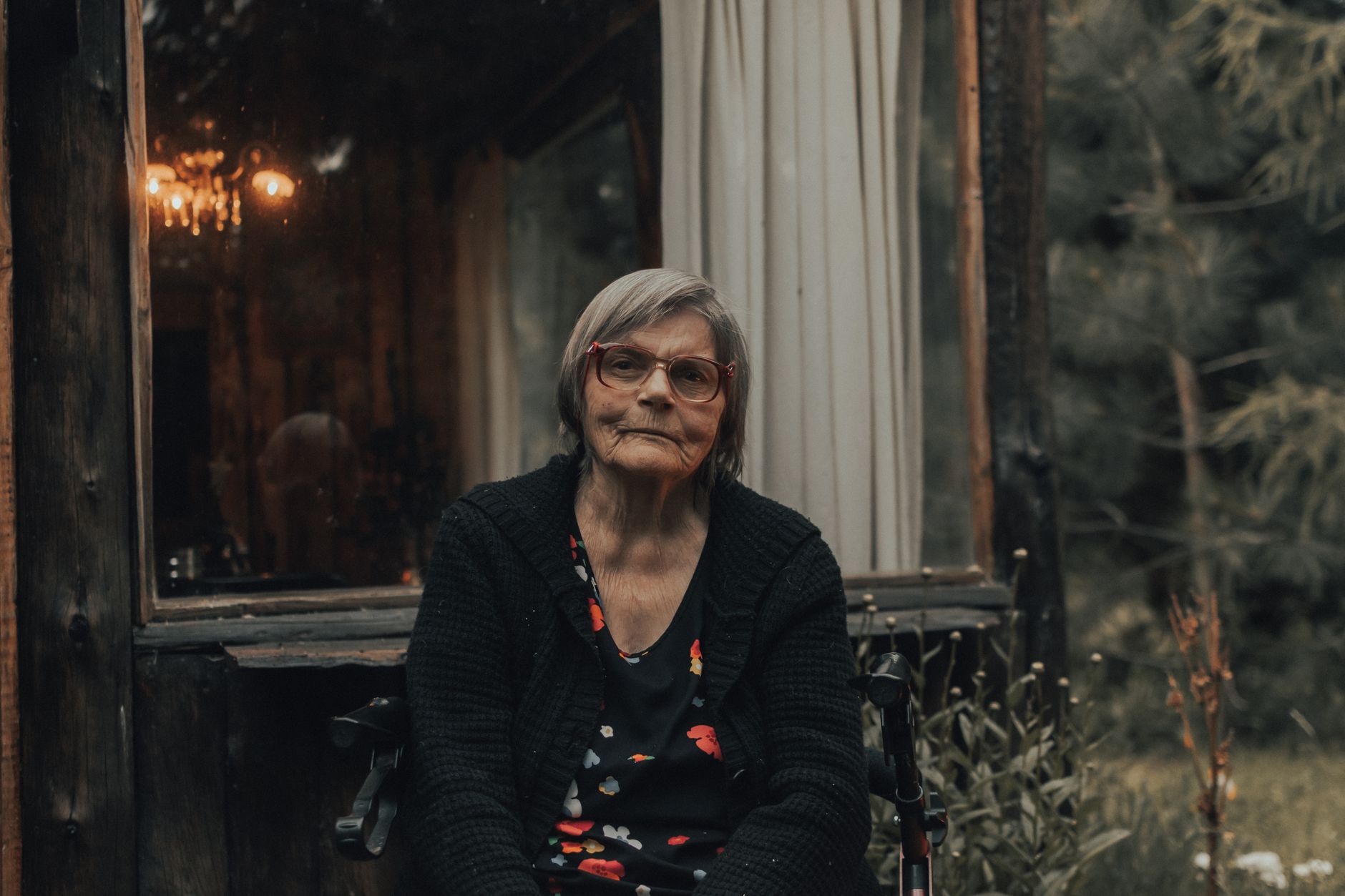
The Sunday Mama Came Home
Signing out
The doctor doesn’t come to the county nursing home on Sundays. That meant there couldn’t be a regular discharge with orders and a nice printed folder. If Mama wanted to leave that afternoon, she would have to sign herself out against medical advice.
The charge nurse that afternoon was a woman named Pam, who had worked there longer than I had worked anywhere. She brought the form into Room 114 and read it out loud, every word, the way they’re supposed to.
“Mrs. Hardin, you understand that leaving today is against the advice of the facility, and that your doctor hasn’t written a discharge order?”
“I understand it,” Mama said. “And I understand my therapist said I was ready two weeks ago.”
Pam looked at the chart, and then at me, and something passed over her face. I think she had heard the same things Kaylin had heard.
“She did say that,” Pam said. “It’s written right here.”
“Then hand me that pen.”
Mama signed her name in the same neat round hand she used to write on lunch count sheets for thirty-one years. Jo Ann Hardin. She dotted nothing and crossed nothing she didn’t have to.
Pam made a copy for us and put the original in the chart. Then she did something I didn’t expect. She put a hand on Mama’s shoulder.
“You call us if anything goes wrong,” she said. “Anything at all. And you mind your daughter.”
“Everybody keeps telling me that,” Mama said.
Kaylin
Kaylin packed Mama’s things. There wasn’t much. Three nightgowns, her lavender fleece robe, her reading glasses, a Bible with a cracked spine, a stack of get-well cards from the church ladies, and the crocheted granny-square afghan my grandmother made, with a black border and every bright color in it.
Mama wanted to go home in her robe. I tried to talk her into slacks, but getting slacks over a healing hip is work, and she said she had been in a nightgown for five weeks and she could stand forty more minutes of it.
So she wore the lavender robe over her nightgown, and Kaylin tucked the afghan over her lap in the wheelchair and smoothed it with both hands, the way you’d tuck a baby in.
“I’m going to miss you, Miss Jo Ann,” Kaylin said. Her eyes were wet. She couldn’t have been more than twenty.
Mama reached up and took Kaylin’s face in both her hands. She did that to every child who ever came through her cafeteria line crying.
“You’re a good girl. You’re going to be a good nurse. You tell them I said so.”
“Yes ma’am.”
“And you eat a real lunch. Not those crackers out of the machine. I’ve seen you.”
Kaylin laughed and cried at the same time. Then she pushed the wheelchair all the way out to my car herself, and helped me do the transfer, Mama’s good leg first, slow and careful, the way they teach you.
When the door was shut, Kaylin stood in the parking lot and waved until we turned onto the highway.