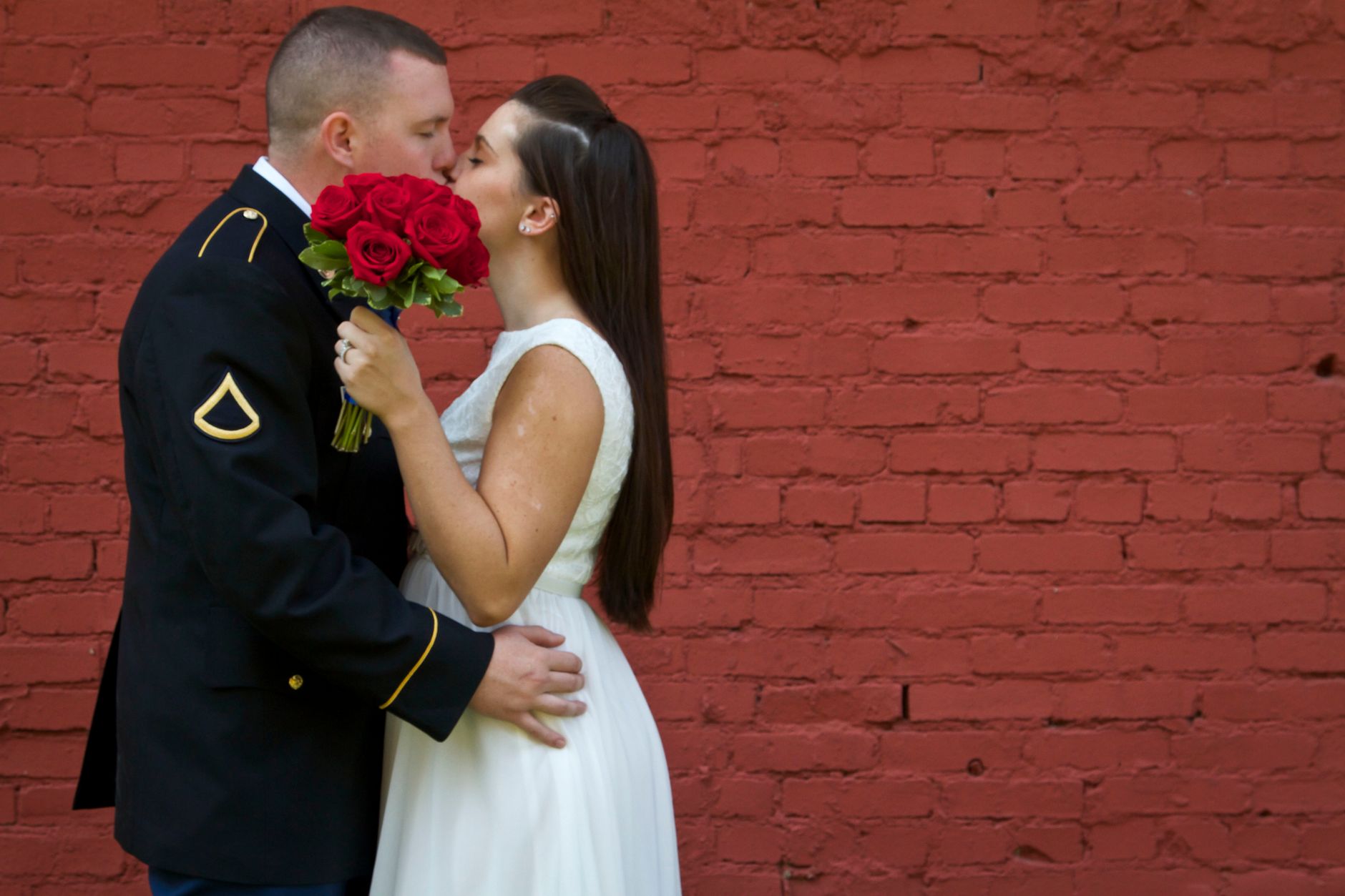
The Soldier Bride Who Asked Mom for a Dish
I asked him what it would cost to rent the hall for a wedding on the second Saturday in June. He looked at me over his glasses for a long minute before he answered.
“For a member’s daughter just home from overseas,” he said, “it costs you sweeping up after. Why are you not at that barn outside Princeton? Your mama was telling everybody about that barn.”
I could have made something up. I thought about it.
But Walt had knelt in front of my mother with my daddy’s flag, and I was not going to lie to him in his own hall.
So I told him plain. I did not dress it up, and I did not make Mom sound worse than she was.
I said the money was gone, it went into her kitchen, and I was not going to fight her over it.
Walt took his glasses off and set them on the table. He rubbed his eyes with his thumb and his finger. “Well,” he said. “Well, now.”
“I don’t want anybody to make a thing out of it,” I said. “I just need a room and a Saturday.”
“You have both,” he said. “And you are going to have a few more things than that, whether you want them or not.”
Here is where I have to be honest about my own part, because I have thought about it a lot since. I told Walt the truth.
Walt’s wife was in the auxiliary. And our town is about four thousand people who all buy gas at the same two places.
Within two weeks, people knew. Not because I said it on Facebook. Not because I said it at church. But I did not stop it, either.
When somebody at the gas station said, “I heard about your mama and that money,” I just said, “We’re doing fine,” and let it sit there.
I am not proud of that. I am not ashamed of it either. I think it was somewhere in between, which is where most of the things I do seem to land.
The president of the auxiliary was a woman named Donna Pruitt.
She was seventy-one and had run the kitchen at that post for longer than I had been alive. She called me on a Thursday night.
“Honey,” she said, “how many people are you having?”
“I don’t know,” I said. “We were going to have a hundred at the barn. I figured we’d ask people to bring a dish. Like a homecoming.”
“You leave the dishes to me,” Donna said. “You just tell me a number. And don’t you dare tell me less than you want because you think it’s too many.”
Cody and I sat at my little kitchen table with a legal pad and wrote down everyone we loved.
His crew from the co-op. My platoon sergeant and three of the girls from my unit. His mother, his two sisters, his grandpa.
My aunts and uncles. The people from Daddy’s church.
The man at the feed store who drove to the hospital the day Daddy died and sat with Mom in the waiting room until my uncle got there.
When we got done, there were a hundred and forty names. I called Donna back and told her, and she did not even pause. “That’s a regular Memorial Day,” she said. “We’ll be fine.”
Then I wrote out the invitations by hand.
I bought a pack of plain cream cards at the Walmart and a book of flag stamps, and I sat up three nights in a row writing names and addresses.