The Girl Who Carried the Farm Sign
Where the men were
Dad was out baling the last of the second cutting, and I did not go out to the field to find him. I have thought a lot since about whether that was right.
Here is what I knew. My dad had worked that farm for fifty years without a single day where anybody made a fuss over him.
He did not hunt, did not golf, did not drive up to Mystic Lake with his brothers. The parade was the only thing I ever saw him look forward to like a boy.
If I told him, he would have to choose between his wife and his granddaughter, three days before the one morning he had been waiting on his whole life.
I did not want to hand him that. Maybe that was a mistake. It was the one I made.
Ben was a different story. When I got home and told him, he went quiet in the way that means he is very angry.
Ben is a lineman for the electric co-op, and he does not raise his voice either. He just set his coffee cup down very carefully.
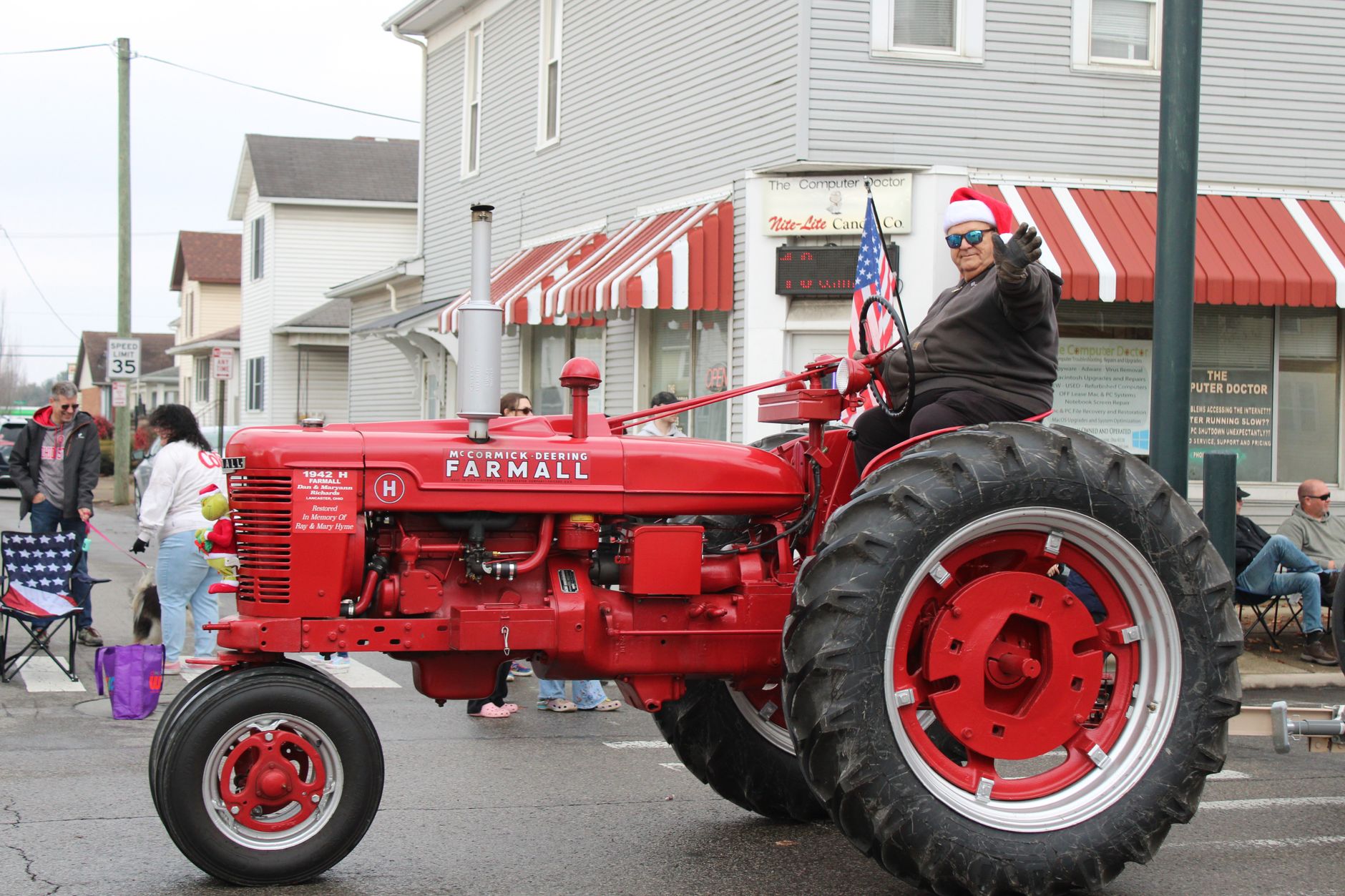
“Then I’m not driving,” he said. “I’ll take the tractor back to your dad’s shed Friday night and unhook it and that’s that. They can walk the wagon down Main Street themselves.”
“And then what?” I said. “Then Dad doesn’t get his parade. Then it’s my fault, and Mom tells everybody I threw a fit over the rider list. And Lily still doesn’t ride, and now it’s because of her.”
He thought about that. Ben is a man who thinks things through before he climbs the pole, and I love him for it. “So what do you want me to do?”
“I want you to drive the tractor,” I said. “Slow. And let me think.”
Lily finds out
I meant to tell Lily myself. I was going to find the right words and say them at the right time. But Owen is five, and five-year-olds are the town crier of every family.
We were at Mom and Dad’s on Thursday night, hanging the last of the bunting on the railing.
Owen was sitting in the straw on the wagon bed with a juice box, swinging his feet, and he said it the way he says everything, loud and happy.
“Lily, you can’t ride on the float. Grandma said you’re not a Gustafson. But I am, kind of.”
Lily was up on a step stool with the staple gun. I saw her stop. She did not cry.
She put the staple gun down on the railing very carefully, the same way Ben had put his cup down, and she climbed down off the stool.
“Is that true?” she asked me.
I did not make her sit with it for even one minute. I did not say we’ll talk about it later.
I walked straight to her and took her face in my hands, the way I did when she was little and fell off her bike.
“Grandma made that choice,” I said. “It’s a wrong choice, and it’s hers, and it is not about anything you did. You hear me? Not one thing you did.”
Her chin was going, but she held it. “So I just watch?”
That was when I knew what we were going to do. It came to me whole, standing in my father’s machine shed with the smell of fresh straw and the sun going down through the big door.
“No,” I said. “You don’t watch. You and I are going to carry Hilda’s sign. We’re going to walk in front of the float. We are not following anybody, Lily. The sign leads the float.”
She looked at me for a long second. Then she looked at the old pine sign hanging on Ben’s brackets, the letters she had sanded clean, and she said, “Can we really?”
“Nobody wrote down who’s allowed to walk,” I said.