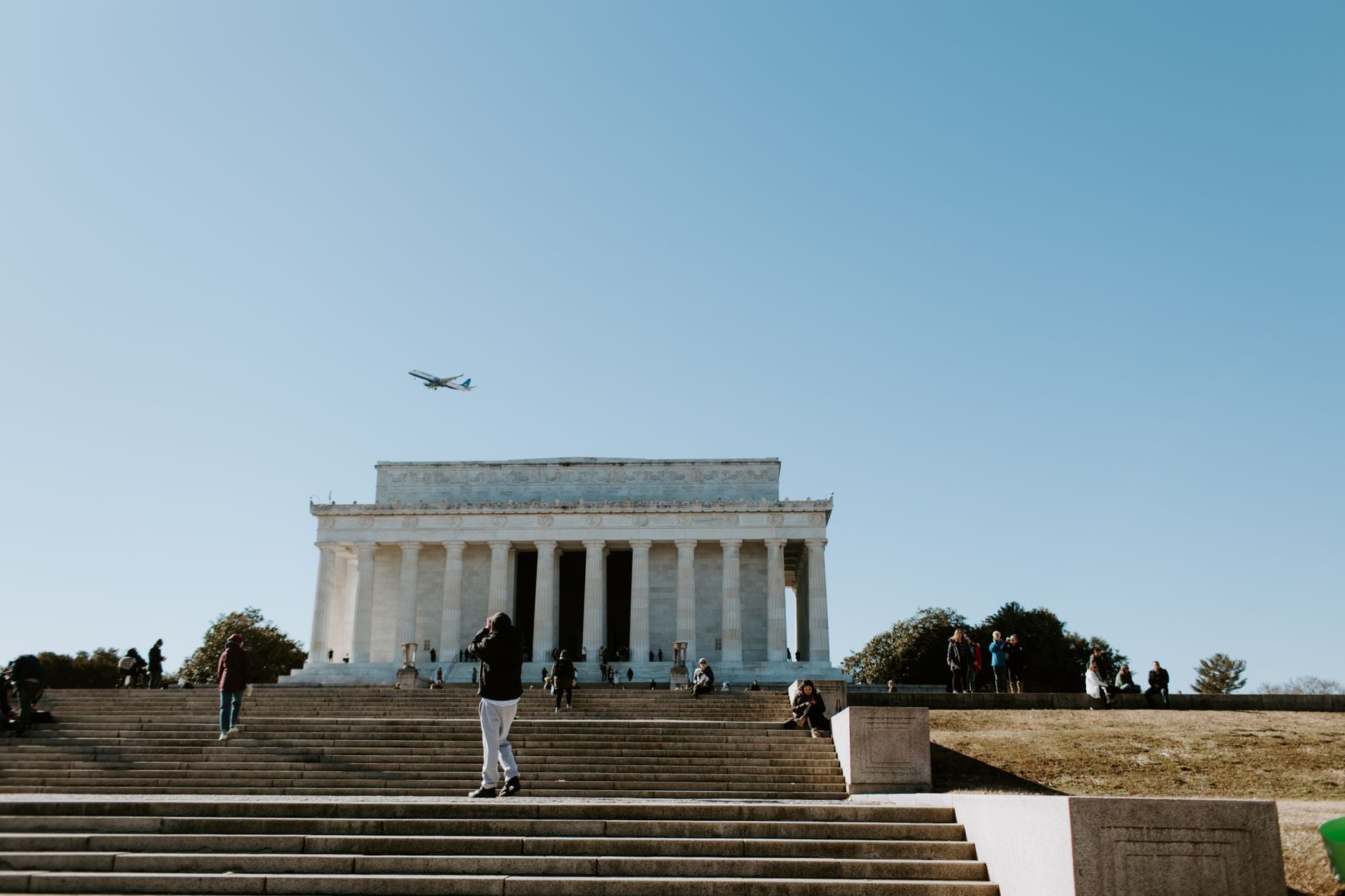
The Drive to the Lincoln Memorial
A neighbor ran a small crew that took kids at ten with a parent’s signature, and Avery was on it that first summer. The bus picked her up behind the Casey’s at five fifteen in the morning.
She came home at two or three in the afternoon, soaked to the waist if it had rained, and fell asleep on the couch with her shoes still on.
The crew paid her thirteen dollars an hour by the last summer, a little less at the start, and there was a bonus if you finished the whole season and did not quit.
Most summers came to about eight good days of work, because rain and a short corn schedule cut the weeks down. She cleared around eight hundred dollars each time.
Four summers. Thirty-two hundred dollars. She did not spend a cent of it on anything but a new pair of work gloves each year and a cold drink at the Casey’s on payday.
Everything else went into the bank in the account with her nickname on it, which turned out not to be her account at all.
“When I’m in Washington,” she said once, the second summer, “I’m going to stand right at the top of the Lincoln steps and look all the way down at the water. I’m going to think about all this corn.”
I thought about that sentence in the garage. I thought about it every day after.
I should say who Kevin is, because if I only tell you about that night you will think he is a bad man, and he is not.
He is a man who did a bad thing and then said a worse one to cover how ashamed he was.
He taught Avery to drive the riding mower when she was nine and stood behind her the whole first time with one hand on the seat.
He goes to her volleyball games and sits on the top bleacher so he can lean his back against the wall. He is not her father, but he has never once acted like she was in the way.
Avery’s real father left when she was two. He lives in Nevada now, the last we heard, and sends a card on her birthday about half the years.
Kevin is the only man who ever came to a parent-teacher conference for her.
On Thursday I called Mrs. Hollis during my lunch. She had taught eighth grade at our school for twenty-two years and she had organized the Washington trip for most of them.
She is a small woman with reading glasses on a beaded chain, and nobody in town has ever gotten anything past her.
“I can ask the tour company,” she said, “but I’ll tell you now what they’ll say. They hold the spots until Friday at five, and then they release them to the waiting list. There are four kids on the waiting list, Shannon. I’m so sorry.”
I tried. I want you to know I tried. I had seven hundred and eighty dollars in tip money in an envelope in my dresser.
Winter is slow at the salon. My mother is on Social Security in a duplex in Cherokee, and I was not going to ask her.
On Thursday night Avery came and sat on the end of my bed.
“Don’t borrow money for it, Mom,” she said. “I mean it. I’m not going to be the reason we’re broke. And don’t get divorced over it either. Okay? Just don’t.”
“That is not your job to worry about,” I told her.
“I know,” she said. “I’m worrying about it anyway.”