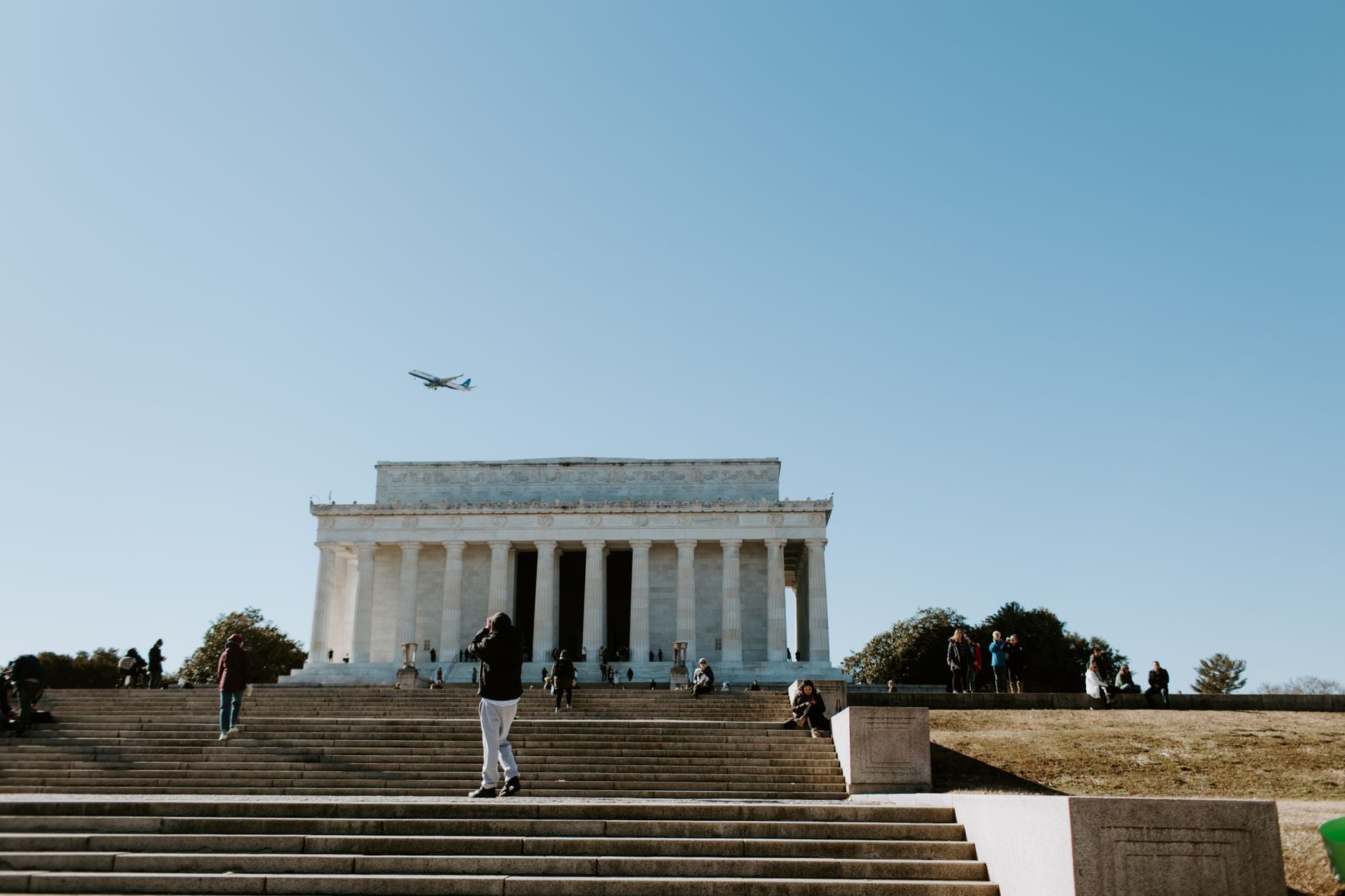
The Drive to the Lincoln Memorial
Kevin got home from the co-op elevator at six. He works the scale house and drives truck when they are short, and in February it is mostly cold hours and fixing things.
He came in through the garage like always, and I went out there before he could take his boots off.
“The trip money is gone, Kevin,” I said. “Pam at the bank says you took it out yourself. Nine days ago. I need you to tell me why.”
He did not lie to me. I will give him that, and I gave it to him even that night.
He sat down on the overturned bucket he uses as a stool, pulled off his stocking cap, and looked at the floor for a long time before he said anything.
“Tonya’s taxes,” he said.
Tonya is his ex-wife. They were married eleven years before me, and they split long before I knew him.
I knew she had run a house-cleaning business out of her car for a while. I did not know the rest until that night.
Back in 2016, when they were still married, they filed one return together. Tonya told him she would take care of what was owed on her cleaning money.
She did not. The bill sat there for years with interest and penalties piling on it, going to an old address.
“They found me,” Kevin said. “A letter came in January. Final notice. It said they were going to take it out of my paycheck in thirty days. Shannon, they can take a chunk of every check, and they don’t stop until it’s paid. I’d have had nothing to bring home.”
“How much?” I asked.
“Thirty-one hundred and change by the time they added everything up.” He rubbed his face with both hands. “I called Tonya. She laughed at me. She said it was my signature too.”
“So you took a fourteen-year-old’s money,” I said. I kept my voice low. I have never been a yeller, and I was not going to start in a cold garage with a space heater ticking.
“I panicked, Shannon. I was going to pay it back before you ever noticed,” he said. “I thought I’d pick up overtime, and nobody would have to know. I didn’t think the trip was due till spring.”
“It’s due Friday,” I said.
He looked up at me then, and I could see he had not known that.
And then he said the thing that I still hear sometimes when I am lying awake, the thing that turned it from a mistake into something else.
“Honestly, Shannon, that trip was a waste for a farm kid anyway. Three thousand dollars to ride a bus and look at statues. She’ll be fine.”
The door behind me creaked. I turned around. Avery was standing in the doorway in her socks with her hand still on the knob. I do not know how long she had been there. Long enough.
She did not cry. She did not say a word to either of us. She went back inside and down the hall, and I heard her bedroom door close, not slammed, just closed, which was worse.
I want to tell you how she earned that money, because it matters to the rest of this.
Where we live, in northwest Iowa, half the kids in town spend July detasseling seed corn.
The seed companies need the tassels pulled off the female rows by hand so the corn can be crossed right, and they hire crews of kids because kids are cheap and quick and short enough to walk the rows.