The Day Mom Took the Front Bedroom
June’s violets
That afternoon I went out to the truck and got the box that said June.
Mom opened it at the kitchen table. Inside, wrapped in damp newspaper and set in a dishpan so they would not tip, were six African violets in little clay pots. Purple and pink and one white one with a blue edge.
“I took them after the funeral,” Mom said. “Nobody else wanted them. Ron was going to throw them out with the old magazines.”
“You’ve had them six years?”
“On my kitchen windowsill at the Meadowbrook. That window faces north, Shane. Do you know how hard it is to keep a violet alive in a north window for six years?” She shook her head. “I talked to them like June did. I felt like a fool.”
She carried them one at a time into the front bedroom and set them on the windowsill in a row, the way June used to have them. The morning light had moved off by then, but you could see how it would land on them tomorrow.
Dad came and stood in the bedroom door. He did not come in. He looked at the violets for a long time.
“Those are June’s,” he said.
“They are.”
“You kept June’s violets.”
“Somebody had to.”
He put his hand on the door frame. I saw his jaw work. Then he turned around and walked out to the garage, and we heard him in there moving his foundry boxes around for an hour, and neither one of us went out there after him.
How two people who should not live together learned to
I will not tell you it was easy. They had been married nineteen years and divorced twenty, and they had a long list of reasons why.
The first week, Mom put a list on the refrigerator. Kitchen after seven at night is hers. Bathroom before six in the morning is his. Television in the front room is hers on Wednesdays for her show. Nobody touches anybody else’s coffee.
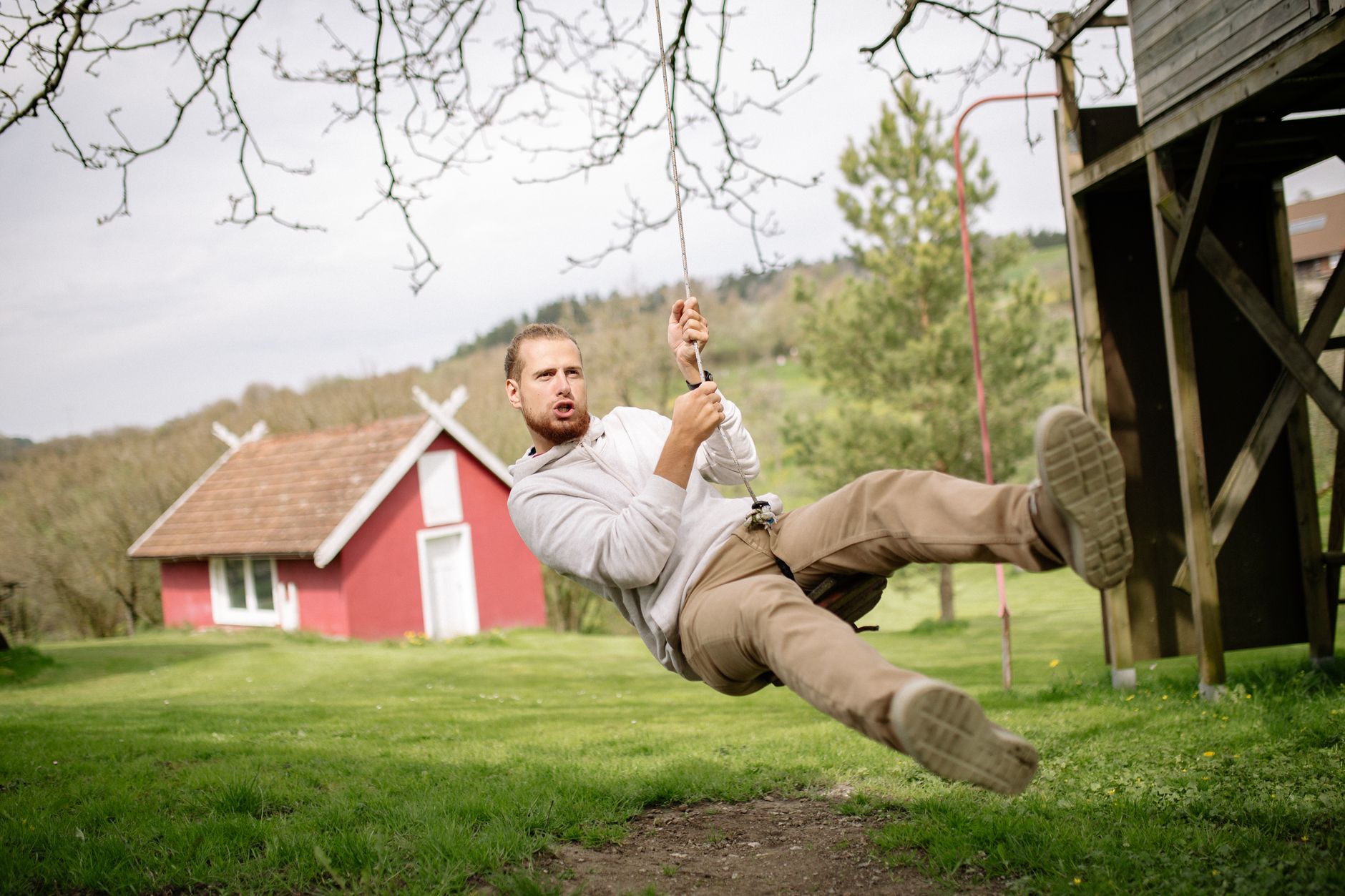
Dad read it standing at the fridge with his reading glasses on. Then he took a pen out of the junk drawer and added one line at the bottom, in his blocky foundry handwriting: Nobody moves the swing.
Mom read it and did not say anything. But she left it up.
He went to Miller Lumber the Monday after Tammy left and filled out an application. The yard manager was a man named Dale who had gone to school with me. Dale called me that night.
“Your dad came in today,” he said. “He said to tell you he applied, so you wouldn’t have to hear it from somebody else first. Is he going to be all right on a forklift?”
“He drove one thirty-one years.”
“That’s what he said. He also said his back’s no good for lifting, and he’d tell me if it got bad. I appreciated that. Most guys his age lie about it.”
Dad started the next week. Three days a week, eight hours a day, pulling orders for contractors and loading pickups. He came home with sawdust in his collar and his face red from the cold, and he looked ten years younger.
The second week, Mom made him a lunch. She did not say anything about it. She just put a brown paper bag on the counter by his keys with a ham sandwich and an apple and a slice of the persimmon pudding she makes every October.
He looked at it. He looked at her back, at the sink. Then he picked it up and took it to work.