The Buyer at the Machine Shed Door
I asked her, “And then what?” and she said, “And then I was going to tell you. After. With the money. I was going to give you the extra four thousand and explain, and you’d be mad, but the truck would be paid off and Trent would never have to know where it came from.”
“You’d have told him it was what? A lottery ticket?” She opened her mouth and shut it again. “I hadn’t figured that part out.”
I almost laughed. I did not, but I almost did, and I think she saw it, because her shoulders came down about an inch.
“You knew it was Arlo’s,” I said. “You wrote it in the ad. My boyfriend’s dad restored it.”
Her face crumpled. “I know,” she whispered. “I know. That was awful. Someone told me it would help it sell.”
“Take it down,” I said. “The whole ad. Right now, while I’m standing here.” She did. I watched her thumbs do it.
“And then you’re going to tell Trent. Tonight. Not me. You.”
“Jody, he’s going to hate me,” she said.
“He’s not going to hate you,” I said. “But he’s going to be hurt, and you’re going to have to stand there and let him be hurt. That’s the price of this one.”
I walked past her into the shed. I could smell the grease and the cold concrete and the faint sweet smell of the soap she had used to wash it.
I put my hand on the hood the way Arlo used to. “Come here,” I said. She came, slowly, the way you would walk up to a dog you were not sure about.
“Crouch down,” I said. “There. Inside the left fender. Down low.”
She crouched in her leggings on the dirty concrete and looked. I watched her find it. I watched her understand what it was.
“Oh,” she said. “Oh, no. Is that his?” I told her it was.
“I washed it.” Her voice broke completely. “I washed everything. I must have gone right past it.”
“You missed that spot,” I said. “I’m glad you did.”
Then I walked back out of the shed, past Karen’s car, and Karen rolled down the window and said, “Well?”
I told her Savannah took the ad down. “That’s it?” Karen said. “That’s all?”
“For now,” I said. “Take me to town. I need coffee that I didn’t make myself.”
Trent came home at six thirty. I saw his headlights come up the driveway and I saw them stop by the shed instead of by the house, which they never do.
I did not go out. I sat at the kitchen table with a cup of tea that went cold and I listened.
I could hear their voices through the cracked window. Not the words, just the shape of them. Savannah’s voice, high and fast. A long silence. Then Trent’s voice, low, and then louder, once, and then low again.
Then the voices stopped. I heard a truck door. I heard the outside stairway, one set of feet going up.
I waited. Nobody came to my door. I sat there until the tea was the temperature of the kitchen.
At about eight o’clock I saw a light on in the machine shed, the old fluorescent tube over the workbench that takes a minute to flicker on.
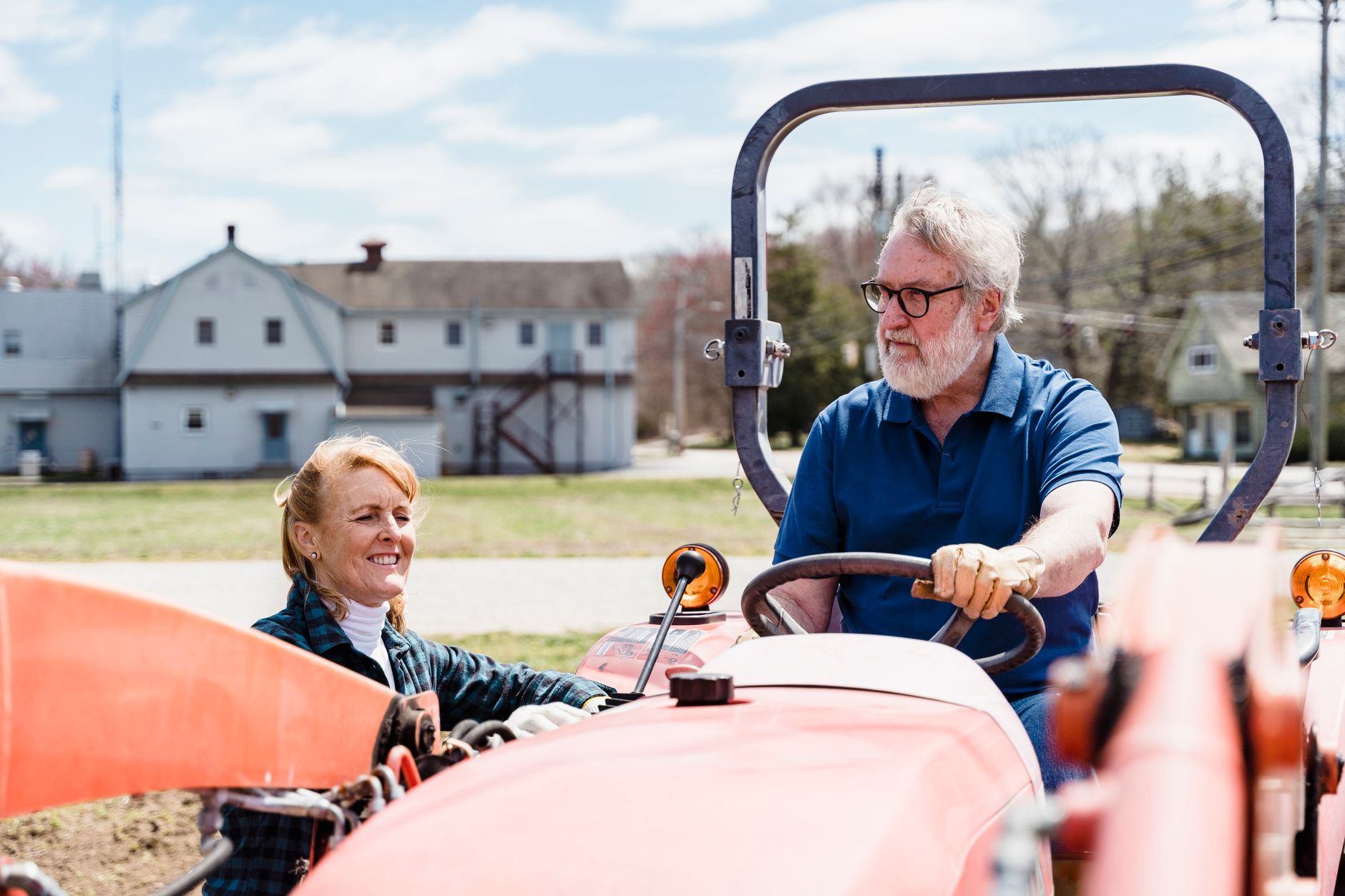
Trent was sitting on the tractor seat. Just sitting, with his hands on the wheel, in his work coat, looking at the wall where his dad’s tools still hang on the pegboard with their outlines drawn around them in black marker.
He did not turn around when I came in. “Did you know?” he said. I told him since Sunday.