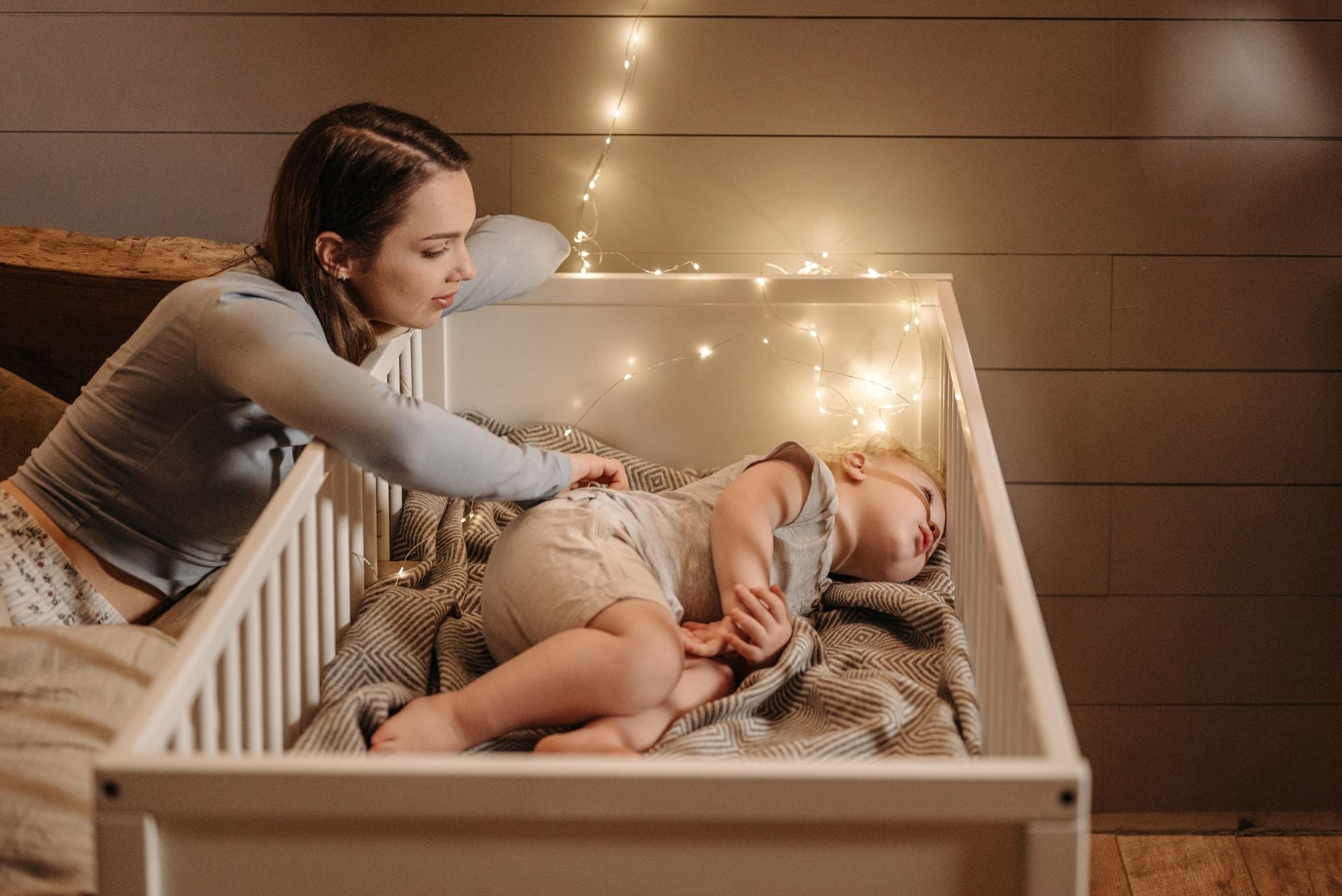
Six Cribs in My Living Room
She just told people, one at a time, in the fellowship hall, in the grocery store, in the parking lot.
Pam did not come to church at all in December. Not on Christmas Eve, either, when the candlelight service filled every pew and the empty one in the third row stood out more than ever.
Dale came alone on Christmas Eve, sat on the end, and left before the last hymn.
Pam stepped down from the toddler Sunday school class in a letter to the pastor. She did not give a reason. She did not need to.
That was her consequence, and it was a heavy one. In a small town, the thing that costs you the most is not the trooper or the bank.
It is walking past the people you let down in the grocery store and knowing they know. Pam stopped going to the grocery store in Reedsville. Kristy did her shopping.
I did not say a word against Pam to anybody in all that time. Not to the other moms, not at church, not at work.
Lauren said things sometimes, and Stephanie said more, and I understood why. But I had held Mia every morning in December, and I had seen her mother cry on my landing. I could not make myself pile on.
In January, the waiting lists started to move. Amy got Brody into the center by the hospital the second week of January.
A spot opened in Milroy and two of the other families from Pam’s took turns visiting it. One by one, the parking-lot families found somewhere.
But the six cribs stayed. When Brody left, a baby from another family in the parents’ group took his crib, a little boy whose mom worked second shift at the hospital laundry.
The living room never went down to five. There was always somebody who needed it.
What came was Pam.
It was the second Thursday in March. The snow was mostly gone and there was mud everywhere, and the farm fields out the valley were brown and wet and waiting.
I had the morning shift in the living room with Stephanie. Lauren was at the dentist’s office.
Somebody knocked on the front door at about ten in the morning. Not the doorbell. A knock, three times, soft.
I picked up Owen, who was eating a cracker on the floor, and opened the door with him on my hip.
Pam Kauffman was standing on my landing. She was wearing her good wool coat, the gray one she wore to church, and she had lost weight.
Her face was thinner and her hair was grayer than it had been in December. She was holding a manila envelope with both hands, like a little girl holding a report card.
Dale was behind her, at the bottom of the steps, by the truck. He did not come up. He just stood there in his barn coat with his hands in his pockets and nodded at me, once, the way men his age nod. I nodded back.
“Jenna,” Pam said. Her voice was very small. “I won’t stay if you don’t want me to. I won’t come in. I just need to give you something, and I need to say something, and then I’ll go.”