The Pancake Money Nobody Could Find
Wednesday night
I have been asked since whether I wanted her to apologize in front of the others.
I did not ask for it. I told Bernice that morning that she had come to my kitchen, and that was the apology, and anything beyond it could stay in my kitchen.
The auxiliary was meeting again that same night, a special session Bernice had called about the shortfall. I had not planned to go. I had not been to one since the Wednesday I handed over the ledger. But around four that afternoon the phone rang, and it was Bernice, and she said, “I’d like you to come tonight. You don’t have to say a word. But I’d like you to be in the room.”
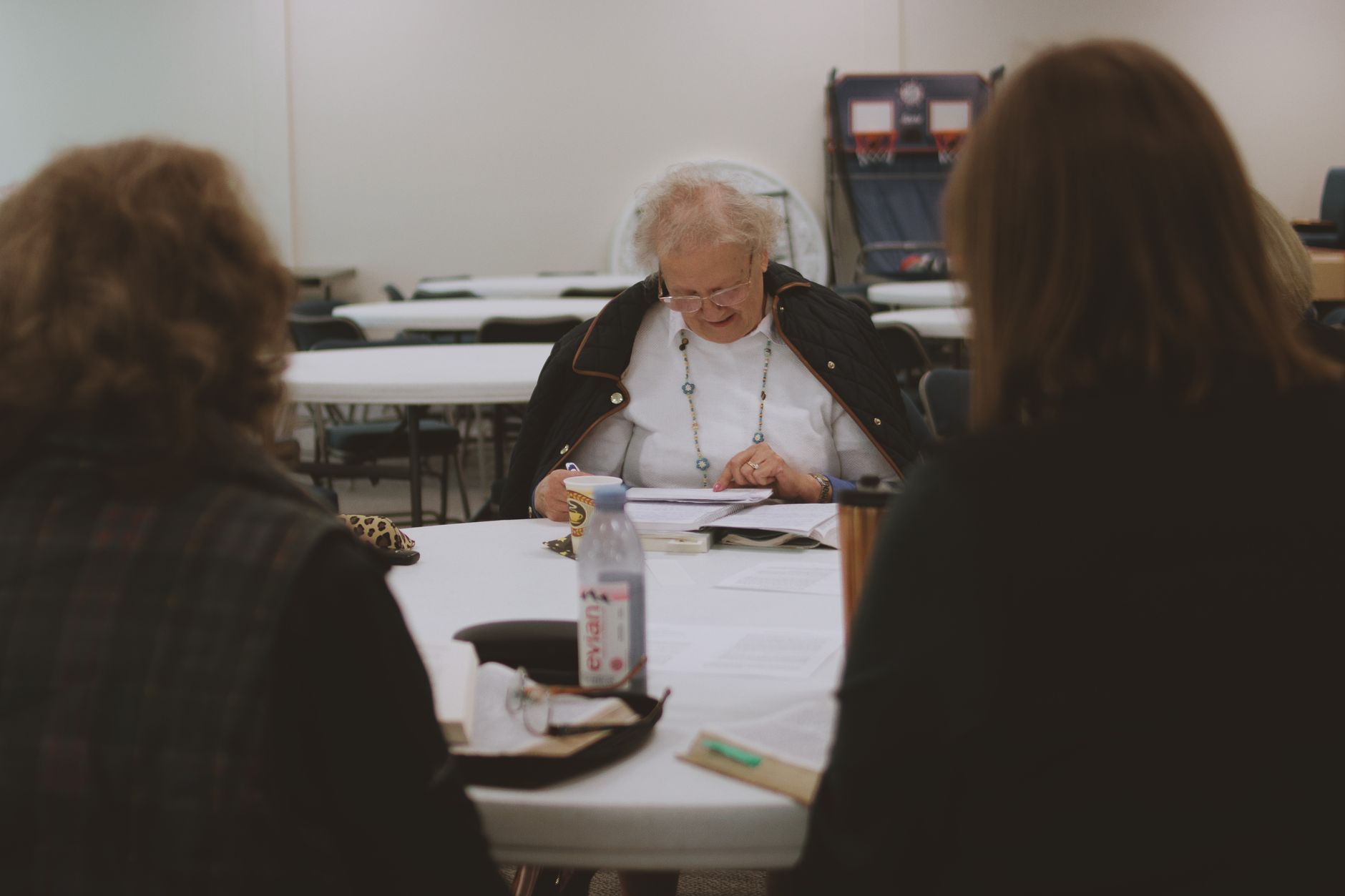
I went. I wore my good cardigan, the blue one. I walked into the fellowship hall at seven o’clock sharp with my coat over my arm, and the radiators knocked, and every head in the room came up.
Bernice did not wait for me to sit down.
She stood up at the head of the table with the folded paper in her hand. She had not written anything out. I could tell. She just stood there a second, with her mouth working, and then she said it in the plainest possible words.
“Three weeks ago I told this auxiliary that Glenda Vohs’s pancake deposit was missing. I told it as though it were her problem. It was not. It was mine, because I was the one who didn’t look. The money was at the bank the whole time. It was in the fire department’s account. The clerk keyed the wrong number. Glenda’s slip was in the bag the entire time, in her handwriting, and none of us ever asked to see it.”
She held the paper up.
“I took her ledger and her key from her in this room, in front of all of you. I’m going to give them back in front of all of you. And I’ll say it once so nobody wonders. Glenda did nothing wrong. I did. And so did every one of us who let that sit.”
She passed the slip to Pat on her right. Pat held it for a moment, and read it, and passed it along. It went all the way around the table, hand to hand, six women reading my sevens.
When it got to Dottie, she held it in both hands, close to her face, and read it twice. Then she set it down on the table and put the back of her wrist against her mouth. Eighty-three years old. I watched that woman cry for me in a church basement over a deposit slip, and I did not know where to put my hands.
She said, “I said Tyler Beck wouldn’t take a dime. And you know what? I never said that about you. I should have.”
“Dottie,” I said. “It’s all right.”
“It isn’t. But it’s kind of you.”
Bernice reached down and took the green ledger from the chair beside her, where she’d kept it three weeks. She came around the table. She had my key in her other hand, on its little ring. She held them out.
I took the ledger. I took the key. The brass was warm.
Nobody clapped. Thank God. I couldn’t have stood it. Pat said, “Meeting’s called to order,” in a voice that cracked, and Carol Ann passed the lemon bars, and the radiators knocked. We went through the agenda. We talked about the chili supper in January, and the new radios the chief wanted, and whether the raffle quilt should be a Double Wedding Ring or a Log Cabin.
That was it. That was all it was.