The Overalls a Young Farmer Asked For
He was five feet eight inches tall. He had forearms like fence posts and a laugh that came out of him sideways, as though he were embarrassed to be caught enjoying himself.
I married him in the summer of 1973, when I was nineteen and he was twenty two. Fifty three years, give or take, and in all that time I do not believe I saw him lose his temper more than a half dozen times, and two of those were at the television.
He wore blue bib overalls, winter and summer, to everything but church and funerals. The corduroy ones in January, the lightweight ones in July, and one particular pair for the first day in the field every spring.
That pair was the hickory stripe, the heavy cotton drill ones, and he’d had them since the spring after we were married. They had been through three zippers, two sets of snaps and one summer when the dog got hold of the left leg.
The left knee was patched with a square of red gingham. I cut that square from my own kitchen apron the year Craig started kindergarten, and I stitched it on with the wrong color thread because it was all I had in the drawer. Ev wore that patch for forty years and never once let me replace it with denim.
“It tells me which knee,” he said, when I offered. “I get on that one to check the seed boxes.”
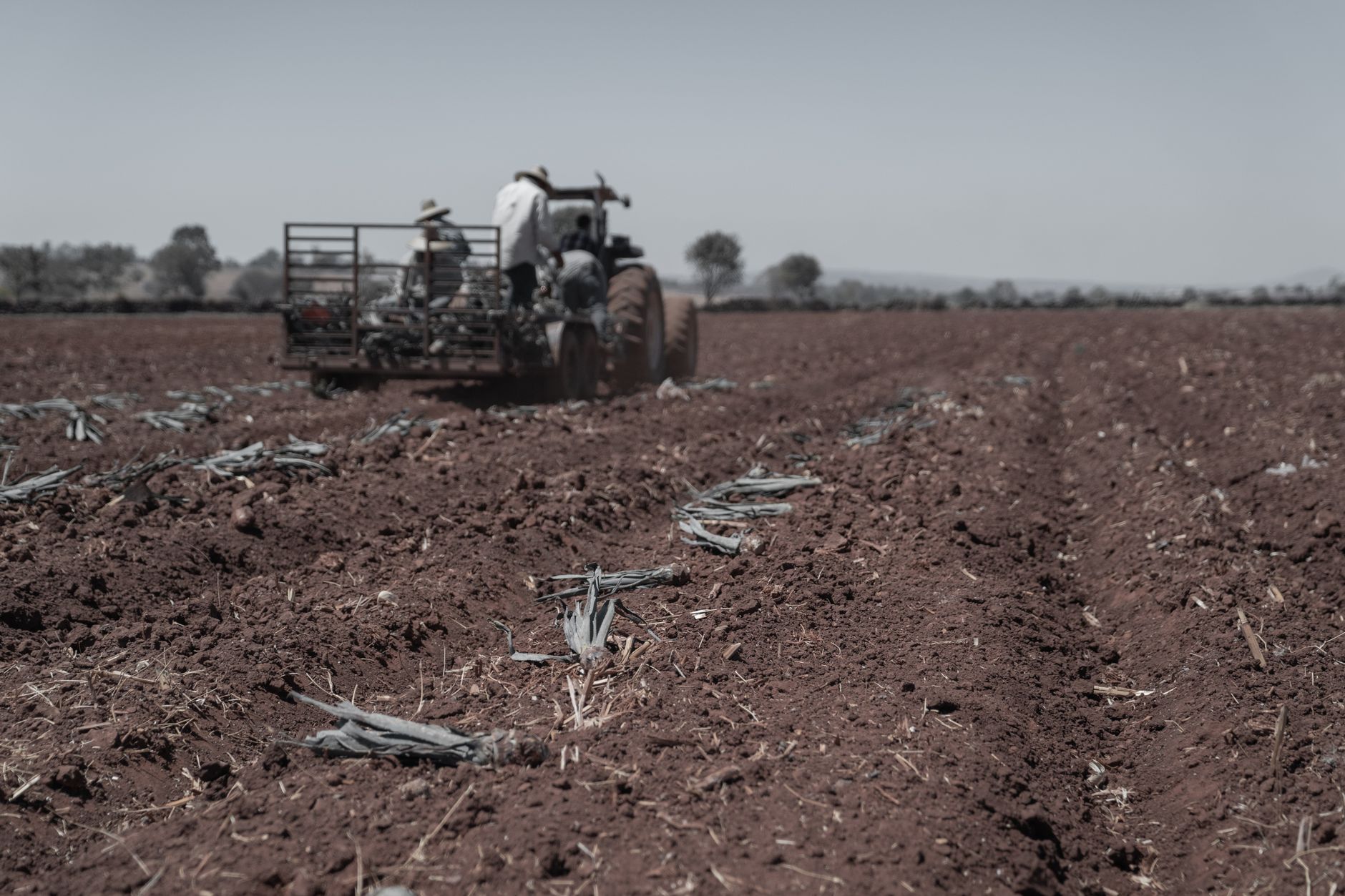
He had a way of planting, and I did not fully see it as a ceremony until it was gone. The first day in the field, he got up before the rooster and put on the hickory bibs. He put a carpenter’s pencil in the chest pocket, the flat kind with a stub no longer than your thumb.
He kept a little notebook in his right hip pocket, the kind the co-op gives out at the first of every year, and he carried a jackknife in the left. He said a man ought to know where his things are without looking.
Then he stood at the end of the lane with his hand flat on that chest pocket for a few seconds before he climbed up on the tractor. I used to watch him from this window and think he was checking for the pencil.
I asked him once. He said, “Yep. Checking for the pencil,” and went on out the lane, and that was the only answer I ever got.
When he got sick, it came on fast and quiet. He lost twelve pounds over the summer and put it down to the heat, and in July Dr. Aldous at the clinic in Cherokee sent him to Sioux City for a scan, and in early August we sat in an office with a box of tissues on the corner of the desk and heard a word I will not write here.
Nine weeks, from the day we knew to the day we buried him. He died in his own bed in the first week of October, with the window open, because he said he wanted to hear the combines.
I was there. Diane was there. Craig was driving up from Sioux City and missed it by forty minutes, which he has not forgiven himself for, and which I keep telling him is nothing to forgive.