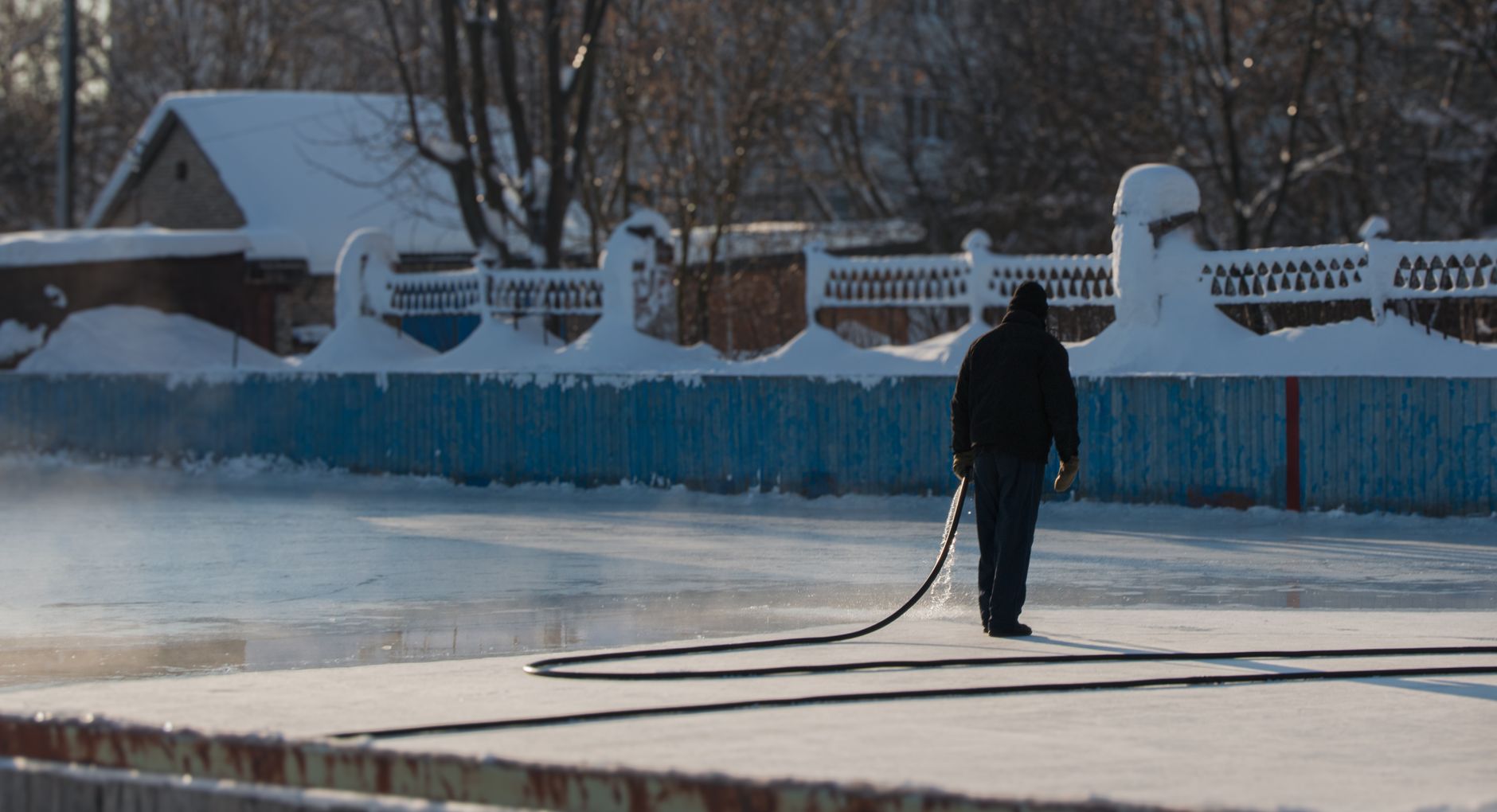
The Pond Nine Fathers Flooded
October
He died on the eighteenth of October.
I will tell it plain, because telling it plain is the only way I can tell it at all.
A young fellow two miles out had run a tractor off the shoulder into the ditch along the gravel, and he called around for somebody with a chain and a second tractor to pull him out before the rain set in. Walt went. Walt always went.
They hooked on. The angle was bad. The ditch was soft. When that tractor came up out of the mud it came up fast and crooked, and it rolled, and Walt was on the low side.
He was sixty-eight. We had been married forty-six years.
I am not going to spend many words on the weeks after, because you either know what they are like or you are lucky enough not to yet. The casseroles. The cards. The way the house got loud with people and then, all at once, in November, got silent.
What I will say is this. In all that silence, the one thing I could not look at was the back lot.
Every other corner of our life I could find some way to sit with. His chair I sat in. His coat I wore. His truck I started once a week so the battery would hold, and I would sit in the cab with my hands on the wheel and let it idle.
But the pond was the thing he made for other people. It was the most generous thing about him, the clearest proof of what kind of man he had been, and I could not stand to see it empty and know he would never flood it again.
So I did not take the lights down off the cedar poles. I could not make myself climb the ladder, and anyway taking them down felt like a verdict.
And I stopped looking out the back windows.
By January I had gotten good at it. A person can get good at not looking at almost anything, if the looking costs enough.