The Letters That Came Home
How I wrote them
People think a letter like that is easy. It is not, if you do it honestly, and the only kind worth sending is the honest kind.
I had a rule. One page, front side only. Nothing general. If a child could have swapped his letter with another child’s and not noticed, I had failed and I started over.
That meant I had to actually know them, all twenty-some each year, well enough to put down one true thing.
So I kept the ledger. A plain school composition book, the black and white marbled kind, one line per student, going back to that first class.
Name. Year. And three or four words to myself about what I had seen in them that nobody else was bothering to see.
“Laughs to cover that she is the smartest in the room.” “Draws in the margins and thinks nobody notices.” “Carries his little brother’s lunch.”
By this spring that ledger had nine hundred and forty lines in it. I could open it to any June and the children would come back to me like it was yesterday.
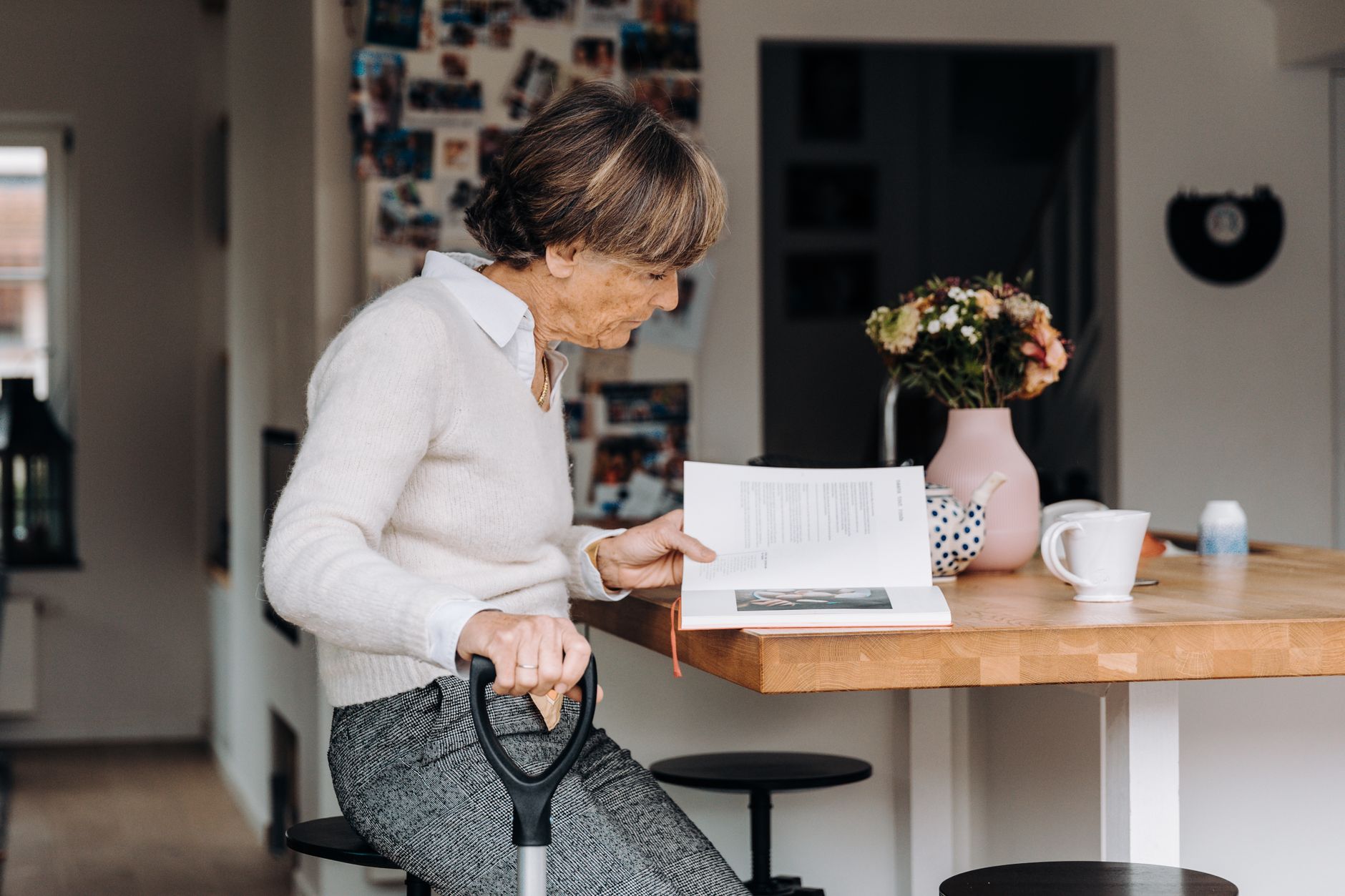
I wrote the letters all through the last week of May, two or three a night at the kitchen table after supper, with the green pen and a bottle of blue-black ink.
My husband, bless him, learned not to talk to me during letter week. He would do the dishes and sit in the next room with the ballgame low and leave me to it.
I mailed them so they would land the Saturday after graduation, when the gym was swept out and the families gone home and the house felt flat and the summer stretched out empty.
That was on purpose. I wanted the letter to come when the noise was over and a young person was sitting in a quiet house wondering if any of it had meant anything.