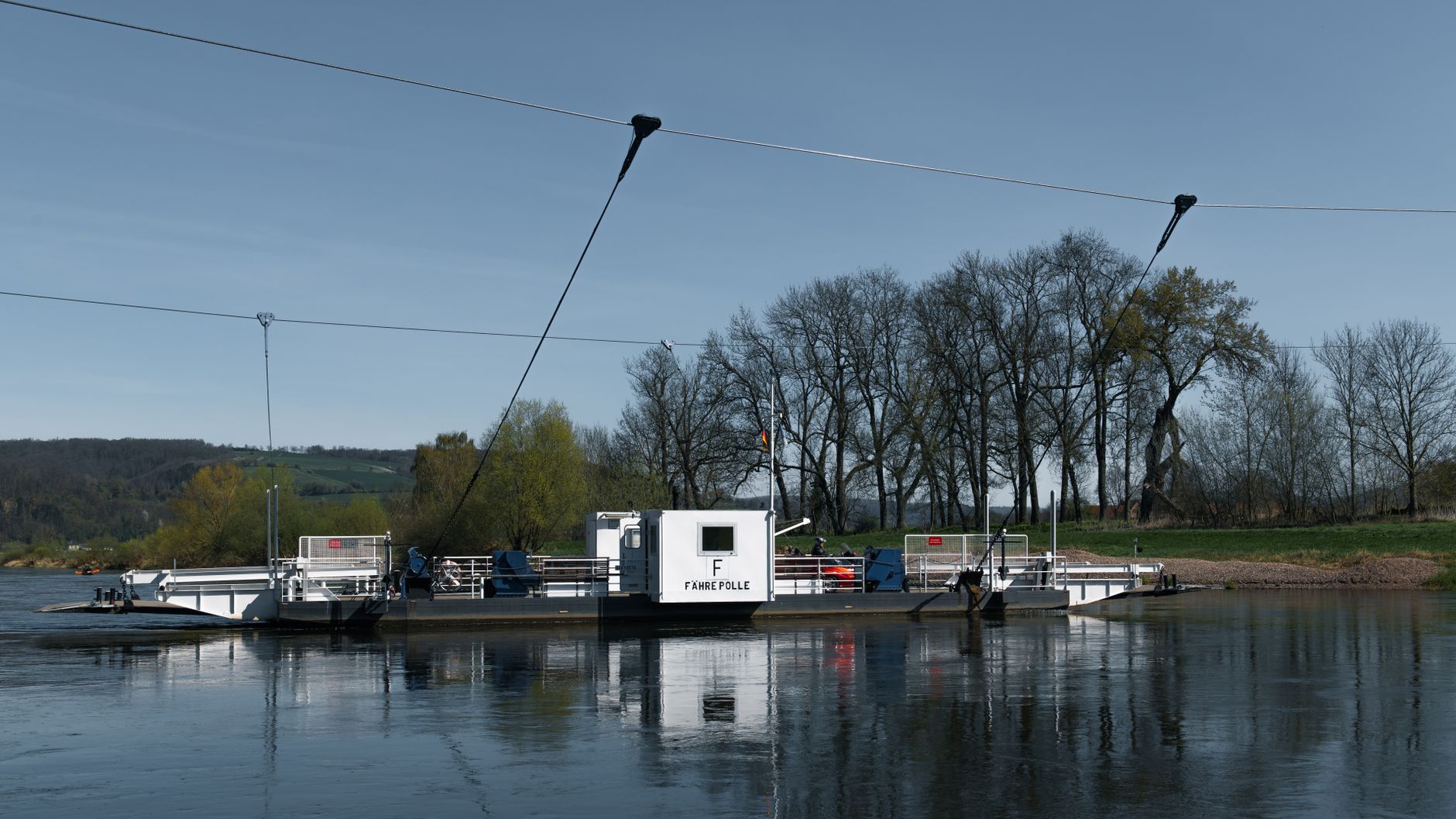
The Last Ride Across The Ferry
What the money was for
My father stood on the deck of his boat in the sudden quiet and took his hat off and wiped his face with his sleeve, and I thought that was the end of it.
Then Lyle came down the bank.
He came down slow, in his black suit, and he stepped onto the deck, and he picked up the cigar box that would not shut, and he held it in both hands.
He said, Harlan, I have got to tell you what all this was.
And this is the part I have never told anyone until now, because it belongs to my father and to this county and I did not know how to say it out loud until I sat down to write it.
The county board had met three weeks before, quietly, in the evening, after my father had gone home. Lyle had asked for the meeting. Denny Kerr had seconded it. They had voted, every member, with no one against.
They had voted to name the new bridge after my father.
The bridge. The new concrete bridge that was, that very morning, putting his ferry out of work forever. They had voted to carry his name across the Saline on it.
And the dollars. Every dollar, every five, every ten, every folded twenty in that cigar box that would not shut. The county had passed the word quietly up and down the bottoms. Come ride the ferry on the last day. Pay the old toll. And the money we collect will cast the letters.
The bronze letters. The county had no budget line for a name on a bridge. So the people who loved my father paid, a dollar and more at a crossing they did not need, to cast his name in bronze and bolt it to the thing that replaced him.
Lyle told him all of it, standing on the deck, holding the box. He said the letters were already ordered. He said the river engineer had promised them up by Christmas. He said the bridge would carry his name as long as there was a county here to cross.
And then Lyle told him the last thing, the thing I think broke my father clean in two in the best way a man can be broken.
He said, Harlan, we are setting one more thing in the concrete at the foot of your bridge. A length of your cable. The worn one. We cut a piece off this morning while you were crossing. It is going in the footing, so that your cable holds up your bridge, the way it held up this county for forty-one years.
My father took off his good hat. He sat down slow on the drawbar of his boat. And he put his hand flat over his mouth, and his shoulders went, and he did not try to hide it.
I went and sat beside him on the drawbar, the way I used to when I was a girl, and I put my arm around my seventy-year-old father, and we sat there while the river went by.