Three Old Farmers and a Locked Door
“I know, Clint.”
“I hate it,” he said. “I want you to know I hate it.”
“I know.”
That was the obvious phone call, then. I had made two. Neither had said no out of meanness. They had said no the ordinary way the world works, and I sat at the mailbox and thought about what that way leaves out.
Five. This was the last item on my list, and I wrote it in the dust on the dashboard with my finger.
My father had been a farmer in this township for sixty-six years, and for thirty of them he had run his ground alongside the ground of three other men.
Marv Ulrich lived two miles east on the section road. He was 79, with a hearing aid he turned off at church and a big cracked-leather farmer’s face. Dewey Abbott, 72, farmed the quarter south of Dad’s, a tall, careful man who wore his reading glasses on a cord. Ed Lindgren, 70, was the oldest of the Lindgren boys, and his place bordered Dad’s on the west. The four of them had swapped labor and machinery since before I could drive.
I drove to Marv’s.
Arlene opened the door in her housecoat, took one look at me, and said, “Well, come in. Sit down. I’ll get the pot.”
I did not cry in Arlene’s kitchen. I sat at the oilcloth table with Biscuit’s chin on my shoe and told them what had happened, flatly, the way I would read a column of figures. Roger was executor. He had changed the locks and given me till the end of the month. I had been to Engel and the sheriff, and I told them what each had said.
Marv’s jaw worked. “That son of a gun,” he said.
“Marv,” Arlene said.
“I’m sorry, Arlene. I am. But that son of a gun.”
“I didn’t come here for you to be angry at Roger,” I said. “I came about the beans.”
They both looked at me.
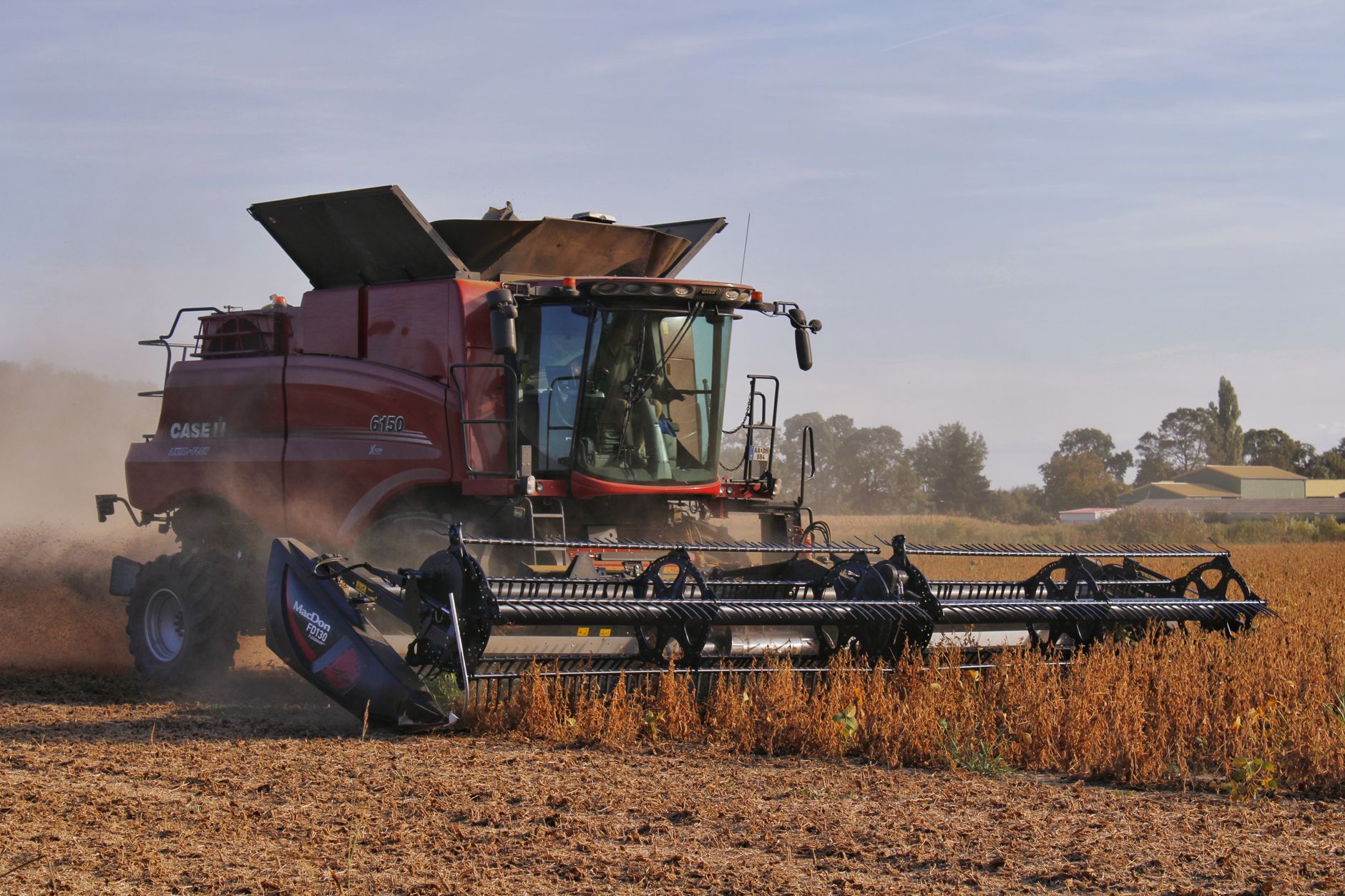
“Dad’s beans,” I said. “The 120 acres on the home place. They’re standing at eleven, twelve percent moisture, and the radio says rain Sunday night. If they sit in a wind and a rain, they’ll shatter. You three have been taking his crop off every fall since he couldn’t run a combine, and I’m asking if you’ll do it one more time.”
Nobody said anything.
“I don’t want you to do it for Roger,” I went on. “I want you to do it because Dad would have wanted those beans in the bin and not on the ground.”
Marv pulled out a chair and sat down hard.
“Judy,” he said. “Where are you sleeping tonight?”
“I’ll find a place.”
“You’ll sleep here. Arlene’s already making the bed, don’t argue.” Arlene was standing at the stove, not making any bed, but she nodded, and I understood she had already decided it. “And the beans. Girl, we were going to cut those beans Saturday no matter what. Bruce asked us in August. He said, ‘Boys, I don’t think I’ll see the cutting.’ He wasn’t being dramatic. He knew.”