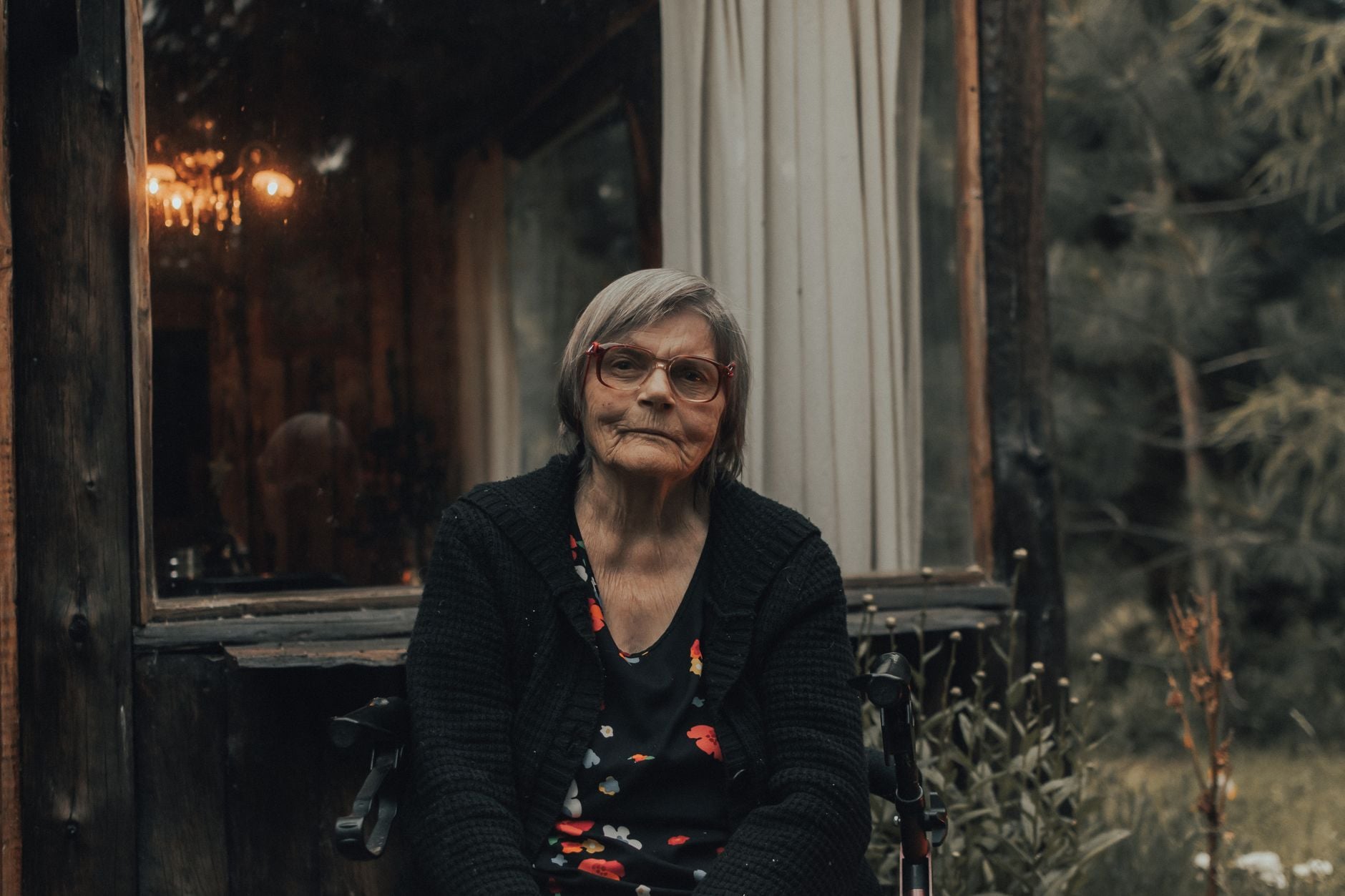
The Wheelchair They Took Away
The televisions went on silently showing the game show. A woman on the screen won a refrigerator.
“I have a number,” Bruce said.
He did not say it to anyone. He said it to the folder.
“The district gives me a number every month. Past-due accounts under five percent, or the store gets a review. I’m at six. It was six point two on Tuesday. When the system flagged your account I looked at your name, and I thought about calling, and I didn’t, because I was three tenths of a point from my own review. I told myself it was only a chair.”
Glenn waited. He is good at waiting. It is what he did for thirty years while a customer talked himself into the truth.
“I can’t give you back Thursday,” Bruce said. “I’d like to do the part I can.”
He took the pen on its chain and wrote across the top of the file, in letters that leaned a little to the right, paid in full, and signed under it, and dated it.
“The chair is yours, Mr. Pickett. No reinstatement fee, no retrieval charge. I can only write off a couple hundred dollars on my own authority, and this is $1,720, so it is going to be noticed. The reports run Friday.”
“Your district won’t like it,” I said.
“No, ma’am,” said Bruce. “I don’t expect they will.”
He closed the folder. His hands were not quite steady. A line of coffee had slid over the rim of the mug while he did the sum, and he looked at it as if he could not think whose it was.
“I’d like to bring the chair back myself,” he said. “Today, if I may. I’ll bring the other driver, Brian. He’s been sick about it since Thursday.”
My husband tilted his head and looked at him a while.
“Three o’clock,” Glenn said. “Jackie makes the coffee too strong. You’ll drink it anyway.”
They brought it at three.
The white van pulled into our drive, and Bruce Yarrow got out in a clean shirt, with no name tag, and went around to the back and opened the doors himself. The skinny one, Brian, climbed out of the passenger side and stood beside him with his hands in his pockets. Together they lowered the chair down and wheeled it up the ramp and set it in front of my husband.
It sat in the October light, the same gray chair, footplates tipped up, with a scratch on the left armrest where somebody’s keys had caught it in the van. Glenn looked at it. He did not touch it yet.
“Mr. Pickett,” Brian said. He was nineteen, maybe twenty. His ears were red. “I wanted to say I’m sorry. I should have said it Thursday. I should have said I wouldn’t.”
“You were doing your job,” Glenn said.
“It was a bad job.”
“It was.” Glenn nodded slowly. “Brian, there’s a torque wrench on the windowsill in the kitchen. Jackie, would you hand it to him?”
I brought it out. Brian took it in both hands, the way you take something from a person you are afraid of dropping.
“Feel that handle?” Glenn said. “Worn smooth. Thirty years of hands.” He looked at the boy’s. “You’ve got the hands for it. If you ever want work fixing things instead of carrying them out of people’s houses, go see Bud Gentry. Tell him I sent you.”