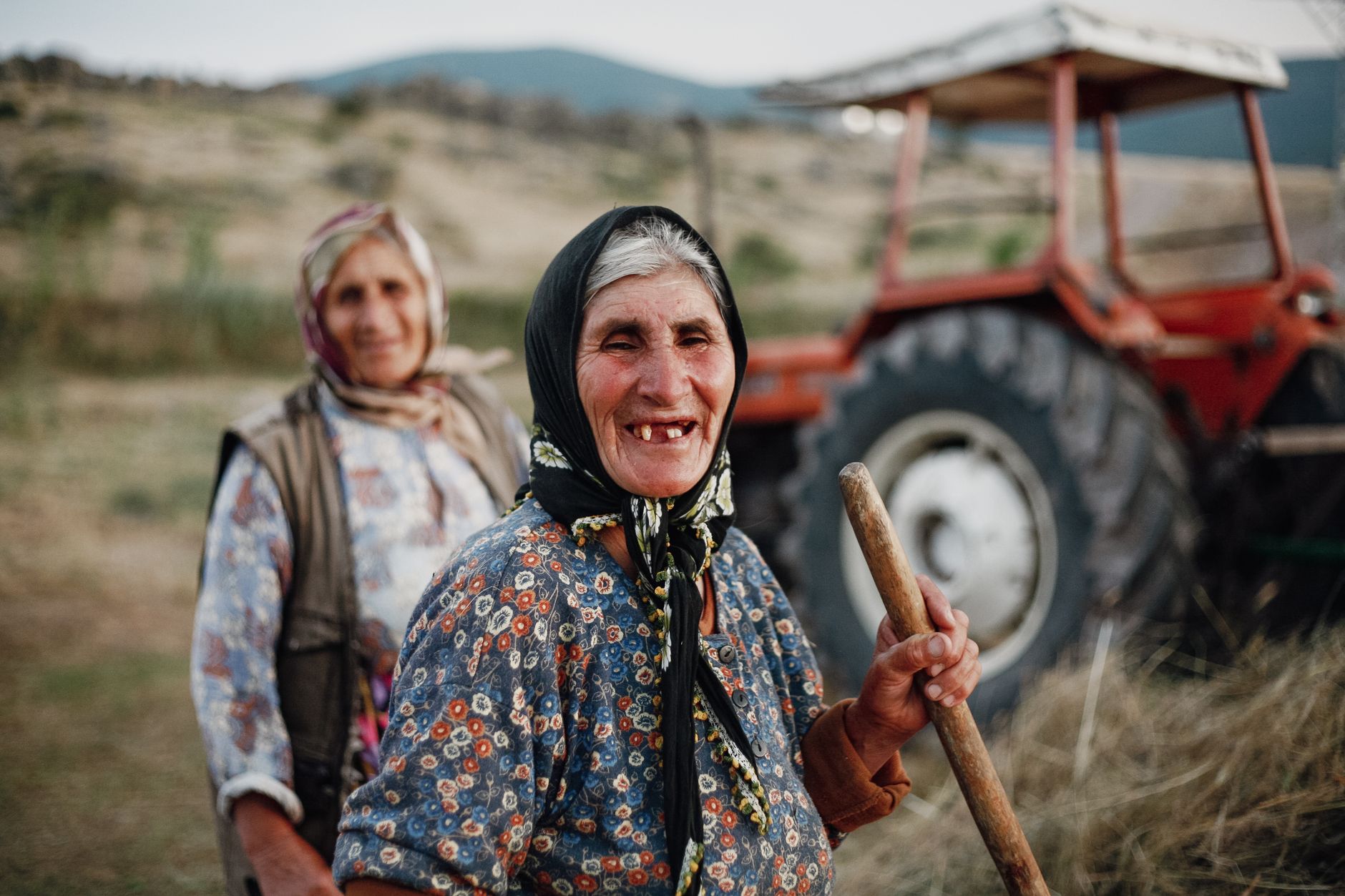
The Tractor That Stopped The Sale
Chapter 7
The sale barn ramp is a steel incline up into the ring, and it is not made for a sixty-nine-year-old woman to drive a seventy-eight-year-old tractor up in front of a crowd without stalling it halfway and making herself exactly the fool Dale had already told everyone she was.
So I practiced on my own loading chute for a week. Up and over, up and over, until I could feather that clutch and that throttle in my sleep. I ground the gears plenty. There was nobody but the cattle to hear it, and the cattle have seen worse out of me.
The word got around, the way it does.
By the second week half the county had an opinion about the Teale sale. Some of it got back to me, because people cannot help themselves. There were those who thought it was a shame, poor Alma, so soon. There were those who had already decided which forty acres they would bid on. There was a man from Des Moines, I heard, who had called the sale barn asking about the bottom ground specifically, and that told me the bill had done its work and reached money that did not know me from any other widow.
Not one of them called to ask me if it was true.
That is the part I sat with on those long evenings. Forty-one years in a county, and when a man posts your home for sale at forty cents on the dollar, not one soul picks up the phone to ask the widow if she agreed to it. They just believed the printed words. Widow. Inability. They believed them because they were easy, and because I was a woman and old and quiet, and quiet gets read as weak by people who have never had to be quiet to survive a thing.
My mother was quiet. She buried two babies and a husband and never once raised her voice, and people called her meek, and she was the strongest person I ever knew until the day I had to become stronger. I come from quiet women who got things done while the men did the talking.
I did not learn to make a scene until I was sixty-nine years old with no husband left to make it for me. It turned out I had it in me the whole time. It was just folded up small, under the eggs and the stamps, with all the other things I thought I would never need.
I understood then that I was not just stopping a sale. I was correcting a story the whole county had already swallowed. And a story only gets corrected as loud as it got told. Dale told his loud, on a public door, in printed capitals. Mine was going to have to be at least that loud, and in the same public room.
Two days before the sale, the auctioneer came out to the farm.
His name is Royce Pettit. He has cried every head of cattle and every estate in this county for thirty years, and he is an honest man, which in the auction trade is not nothing. He stood in my yard turning his hat and he said, “Alma, I’ve got to ask you something and I need the truth.”
I said ask it.
“Dale brought me this sale,” he said. “Told me you’d signed off. I’ve been uneasy about it since. You looked at me at the funeral like somebody who didn’t know she was being sold out.” He looked at the ground. “Did you agree to this? Because if you didn’t, I won’t cry it.”
I had a choice right then. I could have shown Royce the deed in my kitchen and let him quietly pull the sale, and been done.
But that was the lawyer’s letter all over again. Quiet. Private. The story left standing.
So I told Royce a half-truth that I have since made right with him over coffee. I said the sale was going to happen, and that he should cry it exactly as Dale ordered, open the whole place at two hundred forty, and let the bidding start.
“Just do one thing for me,” I said. “When I come into the ring, you let me be heard. However I come in. You give me the floor for two minutes.”
Royce studied me a long moment. He was not a stupid man and I think he half knew.
“You kept those books all these years,” he said. It was not a question.
“Forty-one of them,” I said.
He put his hat back on. “I’ll give you the floor,” he said. “God help Dale.”