The Tractor That Stopped The Sale
Chapter 2
To understand why that sale bill landed on me the way it did, you have to understand the forty-one years behind it, and you have to understand the tractor.
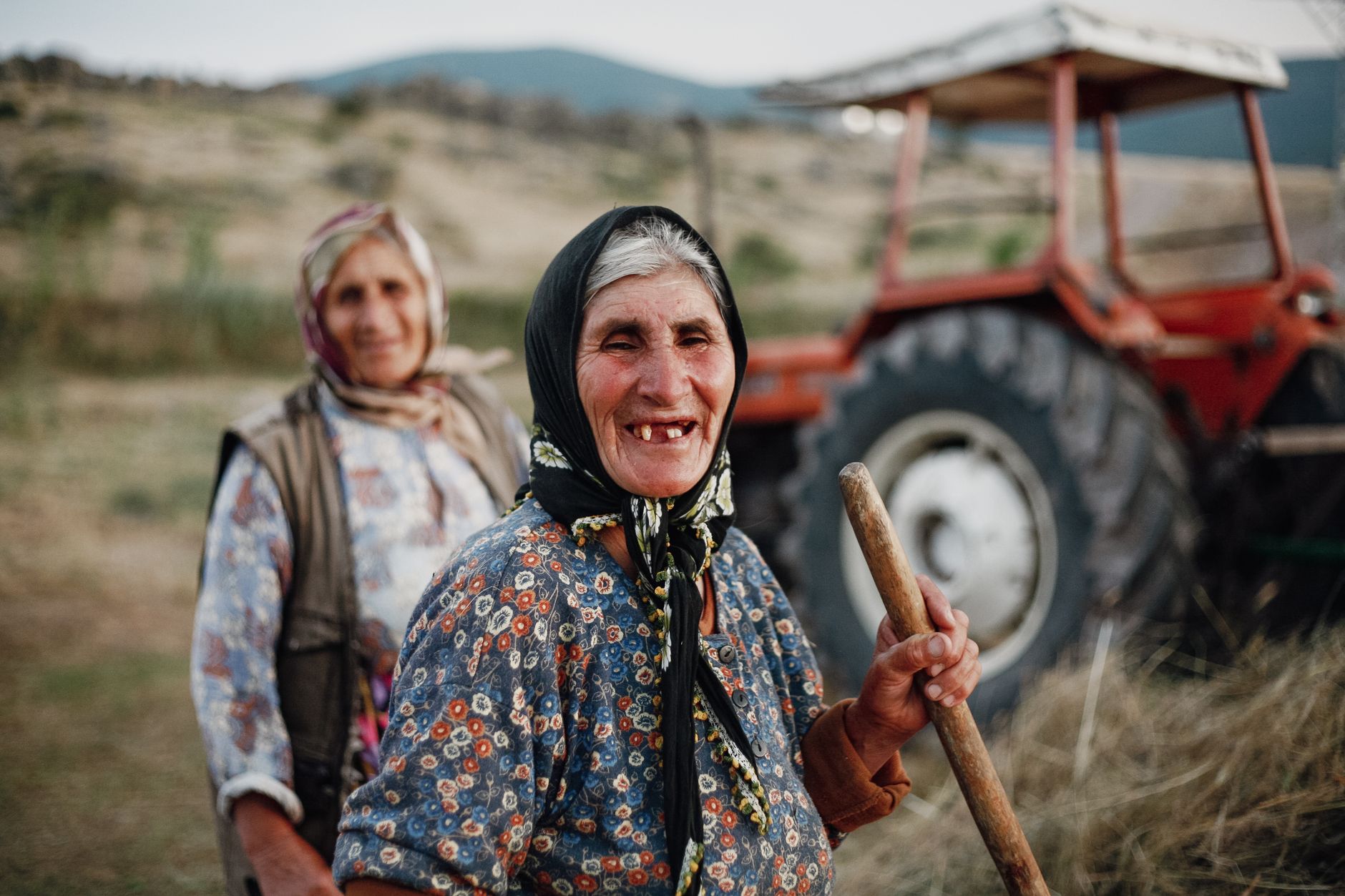
Warren’s father bought that Ford new in 1948. A little gray eight-N, the first tractor on this place that did not eat hay. Warren was a boy then. He used to tell me he learned to drive sitting on his daddy’s knee with his hands on the wheel, both of them smelling of diesel and cut alfalfa.
When Warren and I married in the spring of 1985, that tractor had sat under a lean-to for a decade, half seized, the gray paint gone to rust and chalk.
He pulled it out the week before our wedding. Rebuilt the carburetor at the kitchen table on newspaper while I rolled pie crust. And he painted it green, because green was the color of my mother’s kitchen and I had said once, offhand, that green was my favorite color on God’s earth.
It was the only romantic thing that man ever did out loud, and he did it in a shade meant for a different brand of tractor, and I loved him for the wrongness of it until the day he died.
So it was never just the gray Ford after that. It was the green Ford. My green Ford.
I was twenty-eight when I came to this farm. I was a bookkeeper’s daughter from over in Harrison County, and I came knowing numbers the way Warren knew weather.
That first winter I found the farm’s records in a shoebox and a coffee can. Receipts jammed in sideways. Loan papers he could not have found in a week. I sat at that same kitchen table and I built it into a set of books, column by column, and I never once let it fall behind again.
Forty-one years. I wrote down every bushel we sold and every bushel we held. Every calf, every vet bill, every gallon of fuel, every dollar of seed and every dollar of rain we did not get. I knew the yield map of those bottoms better than the plat book did.
Warren worked the ground and I worked the ground beside him, but I also worked the numbers, and in farming the numbers are the ground. A man who cannot read his own operation will lose it in a wet spring. We never did.
I could show you the book from 1988, the drought year, where the ink changes color on the September page because I ran out of the good pen doing the same math three times over, hunting the two thousand dollars that would carry us to spring. I found it. It was in the seed we did not have to buy, because I had held back grain for it the fall before. Numbers are not cold if you know how to read them. Numbers are just the farm telling you the truth when nobody else will.
We paid the place off in 2003. I remember carrying the last payment into the bank myself. I remember the teller saying congratulations, and me walking back to the truck and sitting in it a while, because forty years of debt coming off your shoulders at once will buckle your knees.
After that it was ours. Free and clear. The land, the house, the Ford, all of it, nobody’s lien on any of it.
We never had children. That is a grief of its own and I have made my peace with it. What we had instead was the place, and each other, and forty-one years of doing the hard thing together and liking the people we became for doing it.
Dale had the quarter section next to ours, the upland ground his father left him. Lighter dirt, hillier, harder to make a dollar on. Warren helped him more years than I can count. Loaned him equipment. Cosigned a note once, back in the nineties, that I made him pay down fast because I did not like the shape of it.
I want to be fair to Dale, even now. He worked hard. He just worked ground that did not love him back the way our bottoms loved us, and I think some part of him spent forty years watching his brother’s river dirt grow fat while his own hills washed, and I think it ate at him in a place he never let anybody see.
I did not understand how much it had eaten at him until that sale bill went up.
By then Warren was gone, and there was no brother between Dale and the thing he wanted.