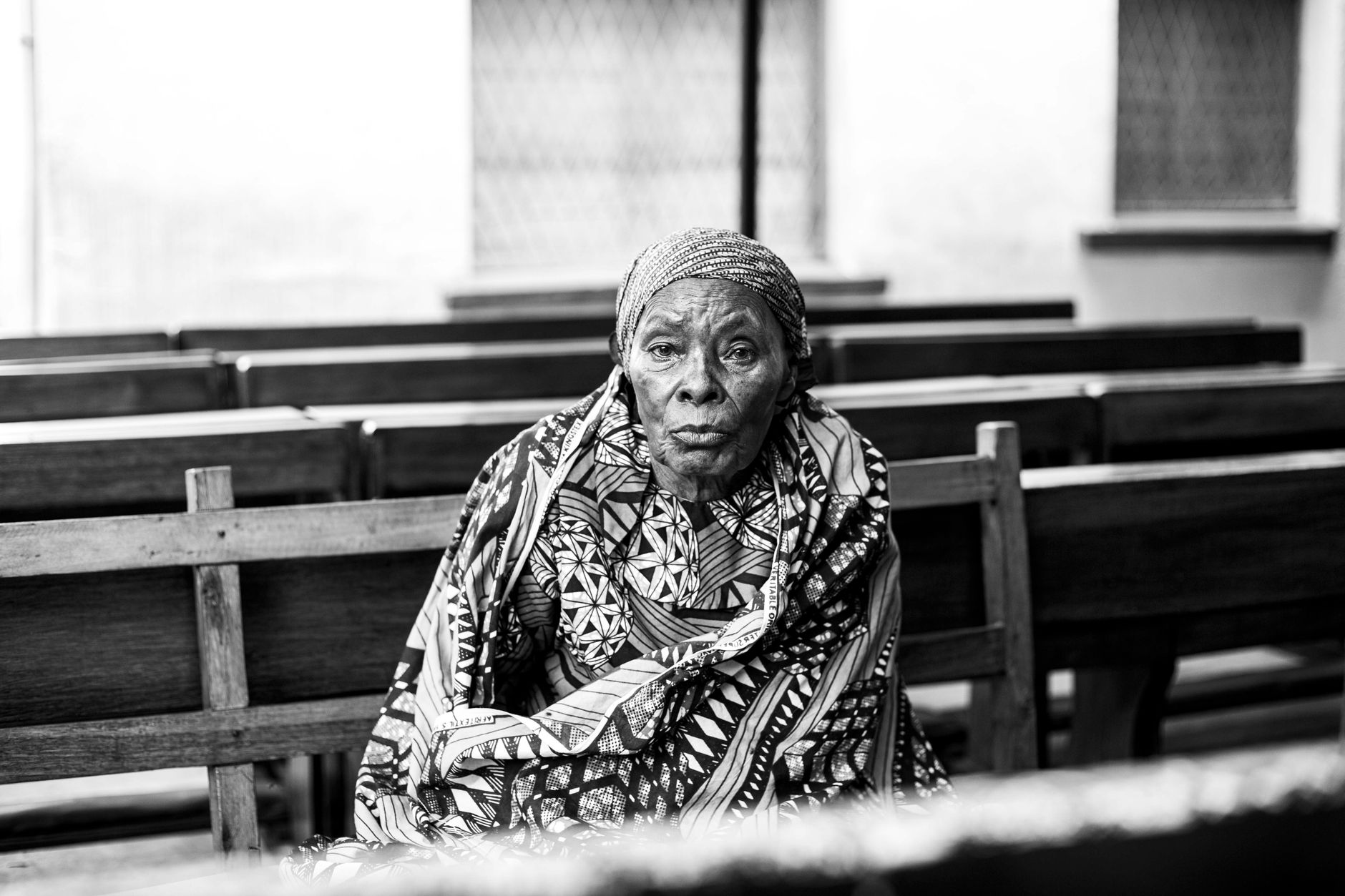
The Pew My Son Swore Off
“The day before, he told me, ‘Go sit in your mother’s church one time, Dan. Just to see whether the roof falls in.’ He wanted me to promise. I told him I’d think about it.”
The funeral was on the twenty-fourth at the Lutheran church in Marshalltown. Danny was a pallbearer, and then he stood at the back wall through the whole hour.
“I watched them carry Lyle out past me,” he said. “Forty years of standing at the back wall of every church in Iowa like the pews might bite me. And Lyle, who believed in about half of it, was going to be fine, and he got there by letting people carry him.”
He told me about the letter then.
“It came on the eleventh of March, three weeks after Lyle. I took it out of the box at the end of the drive and knew your handwriting on the envelope. I’ve gotten forty-three of them.”
My hand went flat on the table.
“I read every one of them, Mom. Standing at the mailbox, the day it came. Every year. Then I took it to the garage and put it in a shoebox on the shelf above the workbench, next to the fuse tin.”
I could not say anything. For forty-three years I had pictured the wastebasket.
“I never answered because I’d have had to say why. And the why was, I was mad at God, and I’d been taking it out on a church pew, and you loved that pew.” He looked up. “Every March I thought, next year I’ll write back. And then it’d be March.”
“Were you angry at me?”
“Never at you, Mom. Never once.”
It was the forty-third letter that did it. I had written it a little different, and I knew it when I mailed it. That January I’d had a spell with my heart, a flutter, a night in the hospital, and a pill for the rhythm that they told me was nothing to be frightened of, which is what they say when it is something to be a little frightened of. I wrote about Tim’s last good afternoon, when he asked for a hamburger from the Dairy Dip in Verdell and ate half and said, “Tell Danny he’s still a lousy driver.” And at the end I wrote something I had not written in forty-two years.
“I’ll tell you what I say each morning, Danny, since I will not be able to say it forever and you have a right to know what has been said about you. Lord, keep a place for Danny. That is all. I have never asked for more and I am not asking now. Love, Mom.”
“I sat in the truck at the end of the drive,” Danny said. “Forty minutes. Pam came out after me. I thought you’d given up on me a long time ago. I thought you’d decided I was a lost cause and kept up the cards out of good manners. And all that time you’d been sitting right here at this window, every morning, saying six words.”
“I never thought you were a lost cause, Danny.”
“I know. I know that now.” He wiped his face with the heel of his hand.
“Kate called that night. She’s thirty-six, a nurse at the hospital in Marshalltown, and she does not know how to soften a hard thing. She said, ‘I’m going to say this once, Dad. Grandma is seventy-eight. Christmas is not promised. I’ve watched what happens to people who wait.'”