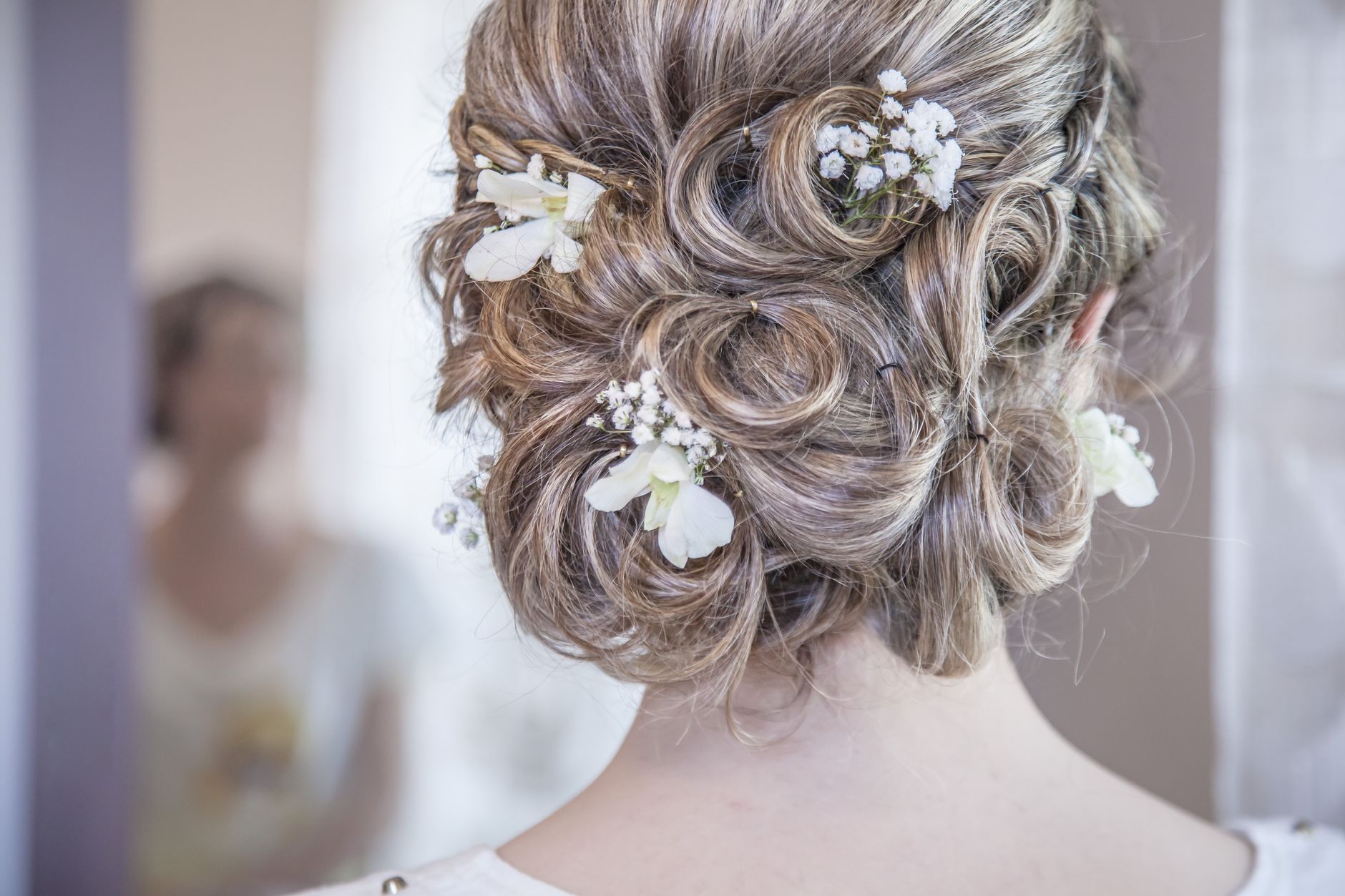
The Bride Who Ended Up in My Chair
“My dad left when I was six,” she said. “Mom cleaned houses. The lady upstairs gave her a deal on rent if she cleaned hers too.”
I glanced at Linda. She was standing very still by the stove with the coffee pot in both hands.
“Mom cleaned for half the girls in my class,” Kendra said. “Their moms gave her bags of things, and she was grateful, and I wore them.”
“In seventh grade, a girl named Taylor saw me in her old purple sweater,” she said, “and asked me in front of the whole lunch table if I’d gotten it out of her trash.”
Nobody in the kitchen moved. The music on somebody’s phone had stopped.
“Mom cut my hair at our kitchen table,” Kendra said. “Every year before school pictures. She did the best she could. But they always knew.”
“They would say kitchen haircut in this voice,” she said. “I would go home and cry, and Mom would cry too, because she knew why I was crying.”
“Oh, honey,” Linda said, very quietly, from the stove.
“So I swore,” Kendra said. She was looking straight at me in the mirror now, and her chin was shaking. “I swore nobody would ever look at me and see where I came from.”
“Nothing about me would ever look small,” she said. “Not my clothes, not my nails, not my hair. I drive eight hours round trip for my color. Did you know that?”
“I knew,” I said.
“Then I moved here to be near Mom, and I met Brandon,” she said, “and he’s the best man I have ever known in my life. And you were his sister.”
“You had this little shop with the tin ceiling and the paper turkey and all those old ladies who love you,” she said. “And you were so happy, Brooke. You were happy being exactly what I spent my whole life trying not to be.”
I stopped combing. I just held the comb still in her hair and listened.
“When you offered at Thanksgiving,” she said, “I heard kitchen haircut. I heard Taylor at the lunch table. And I said the meanest thing I could think of so I wouldn’t have to hear it anymore.”
“And it was you I said it to,” she said. “You never did anything to me except be nice.”
Then she started to cry, sitting in that chair with her hair half combed, and she did not try to hide it.
“I’m so sorry,” she said. “I’m sorry I said it in front of your family. I’m sorry your mom had to sit there. I’m sorry you had to drive out here on the ice for somebody who treated you like that.”
I have thought about that moment a lot since. I have thought about the clever things I could have said, and the cutting ones. I am not proud that a couple of those crossed my mind right then.
But I thought about Grandma June. I thought about the women who came into her kitchen with their hair falling down and their husbands sick and their money short.
Grandma never once asked any of them why they looked the way they looked. She just sat them down.
“Kendra,” I said. “This is a kitchen haircut.”
She looked up at me in the mirror.
“You’re sitting in your mother’s kitchen,” I said. “I learned hair in my grandmother’s kitchen. She did every woman in our church in a kitchen like this one for forty-two years.”