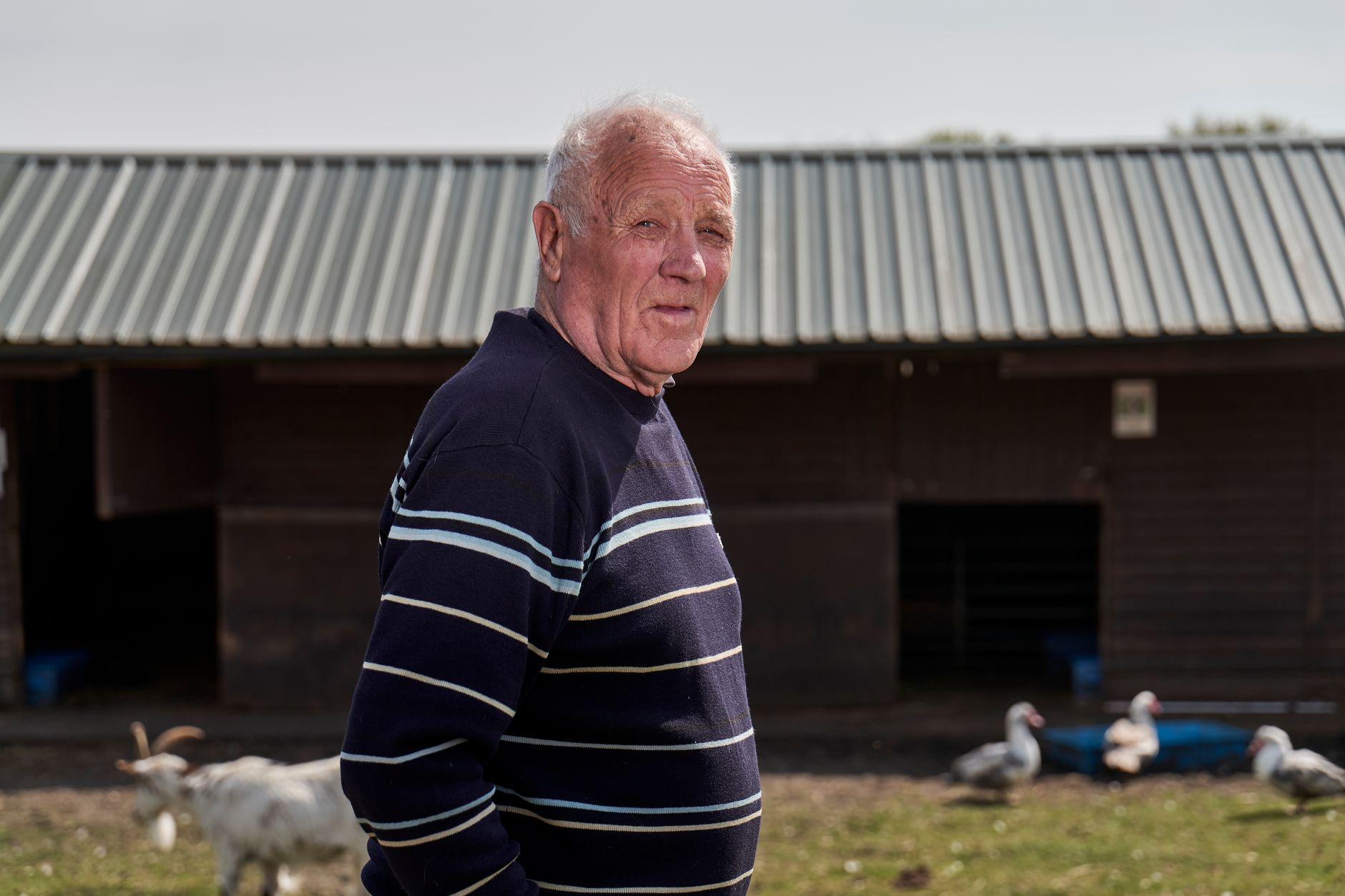
The Barn the Adjuster Called Rotten
The letter arrived on the 24th of June, in a long white envelope with a window.
Joan opened it, because I was out checking cows, and she read it standing at the counter. By the time I came in she had laid it on the table and pressed her hands flat on either side as if it might blow away.
“Read it,” she said.
It said, in the bloodless language those letters have, that the dwelling would be paid, less the deductible. That the grain bin, the fence, and the cost of hauling debris would be paid in the amount of $31,850. And that the collapse of the barn was “attributable to pre-existing deterioration of structural members and is excluded under the wear, tear, and deterioration provision of your policy.”
A check was stapled to the top. Behind it was a form called a Release of Claims, to be signed and returned by August 15, accepting the payment as full and final settlement.
“Thirty-one thousand,” Joan said. “For a barn that’s going to cost a hundred and ninety to put back.”
“I know.”
“That’s a pole shed with a dirt floor, Lloyd, if we’re lucky.”
She sat down hard. Joan is not a woman who frets. But I watched her do the arithmetic I had been doing at three in the morning.
We had 74 cows, bred, and a cow calving in a Kansas March needs a barn. Without one I would be pulling calves in sleet, or selling a good share of the bred cows in the fall. The money in them was real money this year. But a man who sells his cow base at these prices cannot buy it back at these prices, and a herd that took my father and me forty years to build would be gone for good. And the operating note at Farmers State Bank came up for renewal in January, with the home quarter put up as security. The loan officer would be looking at a bigger note than the year before and a farm with nowhere to calve.
“Take it,” Joan said finally. “Sign it, cash it, and build what we can. We’ve made things work before.”
“If I sign, it’s over. They never owe us another dime.”
“I don’t care about the claim. I care about the farm.”
“So do I,” I said. “That’s why I’m not signing.”
She looked at me a long time. Then she put the check in the drawer where we keep the stamps and closed the drawer without a word. It was the kindest thing she could have done, and we both knew it.
People ask why I didn’t do the obvious things. I did.
I called the claims line the next morning and was on hold twenty-two minutes. A supervisor told me politely that the field report stood unless I submitted new evidence in writing, and that the release deadline did not stop while I appealed. I asked what counted as new evidence. He said that was not something he could advise me on.
Then I drove forty minutes to the county seat and sat in the office of a lawyer who was a fair man and did nothing wrong. He said I might well have a case. He said he would need $5,000 up front and that a claim like this runs a year to eighteen months.
“I’d take your money, and you might win,” he said. “But you’ve got cows.”
“I do.”
“Then you can’t wait a year.”