Sunday Dinner Behind the Dugout
I watched her see us. She stopped walking. Maddie broke loose and ran to me yelling “Grandma” across the whole gravel lot, and threw herself into my stomach, and asked if those were lemon bars, and I said yes they were.
Jenna did not come over. She lifted one hand at me, the way you wave to somebody across the church parking lot when you’re not sure if they saw you, and she went up to the top row of the bleachers and opened her laptop.
I will be honest. That stung. I had not come to make a point, but there’s a part of every mother-in-law that wants to be thanked, and that part of me was sitting there behind the dugout waiting to be thanked.
Lyle saw it on my face. He handed me a juice box out of the cooler, which is the closest Lyle comes to holding my hand in public, and he said, “Give it time.”
Carter’s team won the morning game eight to five. Carter got a double in the fourth inning, and Lyle stood up in the bleachers and yelled, which I have seen him do maybe four times in our marriage.
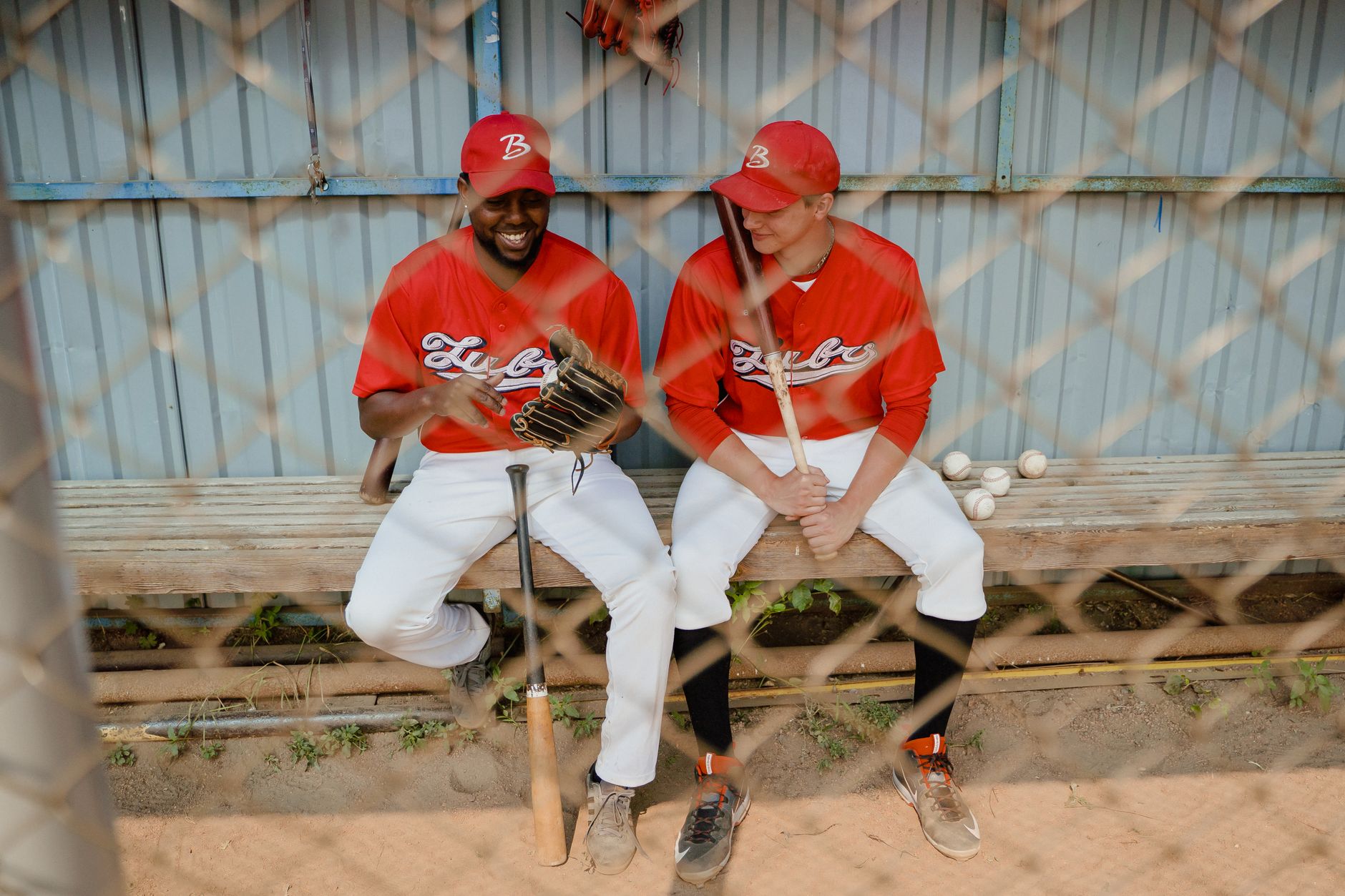
When the boys came off the field, red-faced and sweating, the coach brought them over to the back of the dugout.
They lined up in front of my table like they had been lining up there their whole lives. I loaded plates and passed them out as fast as I could.
“Grandma,” Carter said when he got to the front. He was eleven, and he had just started being too old to hug me in front of his friends. “Is that the scotcheroos?”
“It sure is.”
He leaned over the table so the other boys couldn’t hear, and he said, “Can you save me the corner piece? Like at home?”
I had to look down at the crockpot for a second. I did not want an eleven-year-old boy to see his grandma crying behind a dugout in Marshall over a pan of bars.
“I always save you the corner piece,” I said. “You know that.”
“I know,” he said. “I just wanted to make sure it still counted out here.”
He took his plate and went and sat in the grass with his buddies, and I cut the corner piece out of the scotcheroos and set it on a napkin and slid it under the edge of the foil where nobody else would find it.
The other team, out of a town near Worthington, had played on the next diamond over.
Their boys came walking past behind our dugout on the way to the parking lot, and they looked at our boys eating barbecues in the grass, and you could see the hunger come over them.
“Come on,” I said. “There’s plenty.”
One of their coaches, a big man in a feed cap, held his hands up. “Ma’am, we can’t. That’s your team’s lunch.”
“It’s everybody’s lunch,” I said. “I made it for sixty. I mean it. Your boys play again at two, and they can’t do it on a bag of sunflower seeds.”
He looked at his boys. His boys looked at him. Then he shrugged and said “Okay, but I’m paying you,” and I said “You are not,” and he said “Then I’m bringing something next time,” and I said “Now that I’ll take.”