The Thirty Feet to the Altar
Mandy
The next Monday I called the clinic in Champaign and asked for Mandy Hoyt.
Mandy had been my physical therapist that first year. She was maybe thirty five, short, with arms like a farm wife and a laugh you could hear from the parking lot. She had grown up on a hog farm near Gibson City, and she was the only person at that clinic who never once talked to me like I was a child.
“Roger Lindquist,” she said when she came on the line. “Two years. I figured you’d died or got religion.”
“Neither one,” I said. “My daughter’s getting married in September. I want to walk her down the aisle.”
There was a pause on the line.
“Walk,” she said.
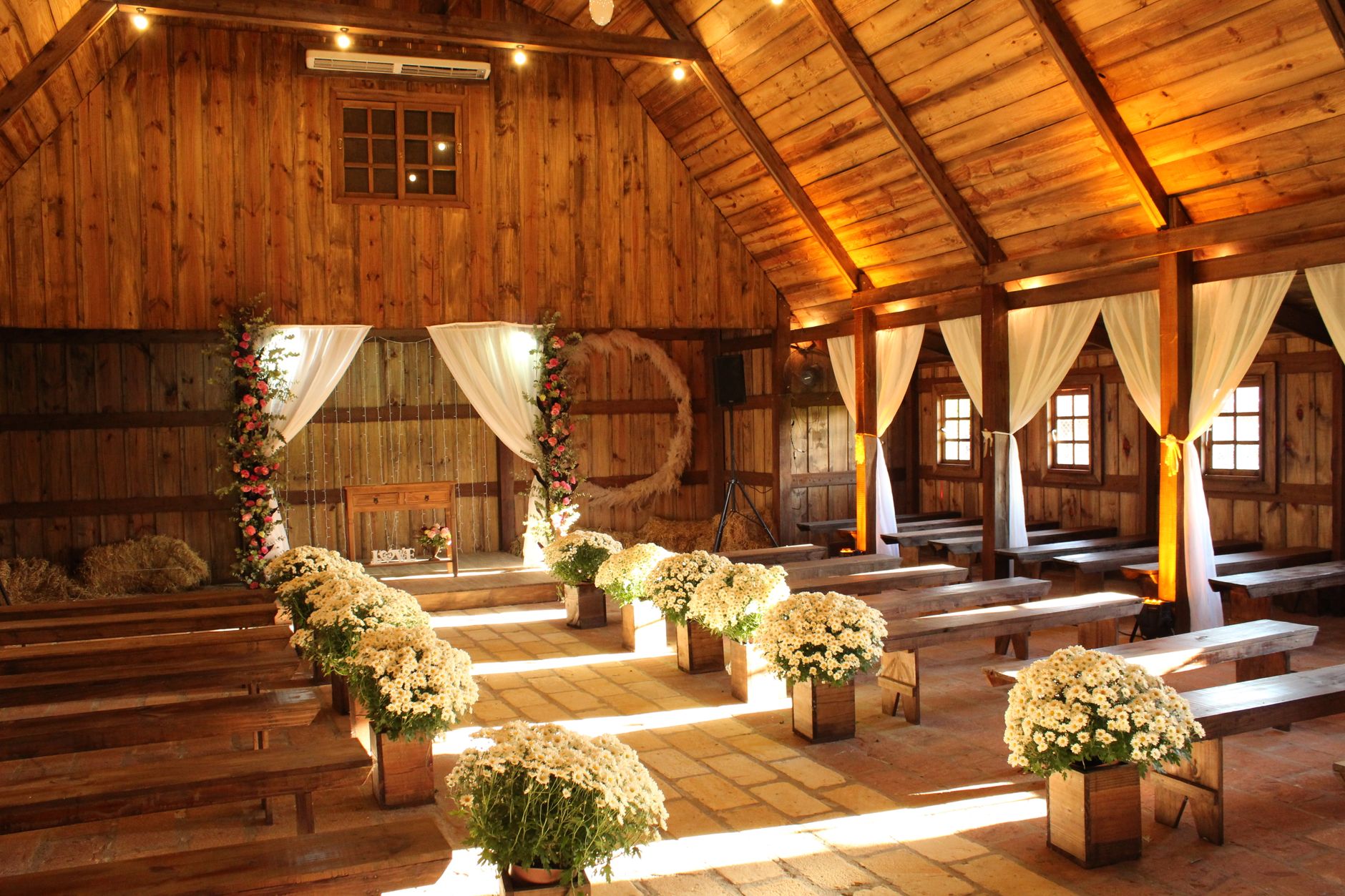
“Walk. It’s thirty feet. I measured it this morning. From the barn door to where the preacher’s going to stand.”
“Come in Wednesday,” Mandy said. “Bring your braces if you still have them. And Roger. Don’t get your hopes up in the truck on the way over. Get them up after I see you.”
That Wednesday I drove the forty minutes to Champaign with my hands on the hand controls and my heart going like a feed auger. Mandy had me transfer to the mat table, and she pressed and pulled and tested every muscle in my legs and called out numbers to a student who wrote them down.
When she was done she sat on a rolling stool and looked at me for a while.
“You’ve got more than you had when you quit,” she said. “You know that? The right quad is a three. The left is a two plus. Your hip flexors are working. You’ve been using them every time you transfer, and you didn’t even know it.”
“So I can walk?”
“I didn’t say that.” She held up a finger. “I said you’ve got something to work with. If you come three times a week, and you do your homework every single day, and you don’t quit on me this time, I think you can walk thirty feet with two canes and ankle braces. Maybe. On a smooth floor. On a good day.”
“What’s the barn floor?”
“You tell me.”
“Concrete,” I said. “My grandfather poured it in 1951. It’s got a crack down the middle you could lose a dime in.”
Mandy laughed. “Then we’ll practice on cracks.”
The cost of it
The insurance would cover twenty visits for the year. After that it was ninety five dollars a session out of pocket. Three times a week for eight months comes to a little over a hundred visits, and Karen sat down with a pencil and figured it at around seventy six hundred dollars after the insurance ran out.
We didn’t have seventy six hundred dollars lying around. We had already put our half of the wedding in the bank. Hannah’s wedding was running thirty four thousand in all, which sounded crazy to me until Karen showed me the list.
The caterer from Arcola was fourteen thousand for a hundred and sixty people. The photographer was thirty six hundred. The dress, the flowers, the rented chairs and tables and lights, the DJ, the cake, the porta potty trailer with the real sinks in it. It added up.
So I sold the 4020.
That John Deere tractor had been my father’s. It was a 1968, and it had not done real work in fifteen years. It mostly sat in the machine shed looking handsome. A collector from Effingham gave me nine thousand dollars for it and hauled it off on a gooseneck trailer, and I sat in my chair in the shed door and watched it go down the road.
Dale came over that evening and stood beside me looking at the empty spot on the floor.
“You sold Dad’s tractor,” he said.
“I did.”
“For what?”
I told him. I told him about Sheila in the kitchen, and about the aisle shot, and about Mandy and the thirty feet. My brother is not a talker. He stood there with his hands in the pockets of his Carhartt and looked at the oil stain where the 4020 used to sit.
“Sheila asked me to walk Hannah,” he said. “Back in January. She called me herself.”
“I figured she might have.”
“I told her I’d think about it.” He looked at me. “I didn’t think about it. I’m not doing it, Roger. I’ll be in the front row with everybody else.”
“I know you will.”
“You need a ride to Champaign, you call me,” he said. “I mean it. Planting or not.”