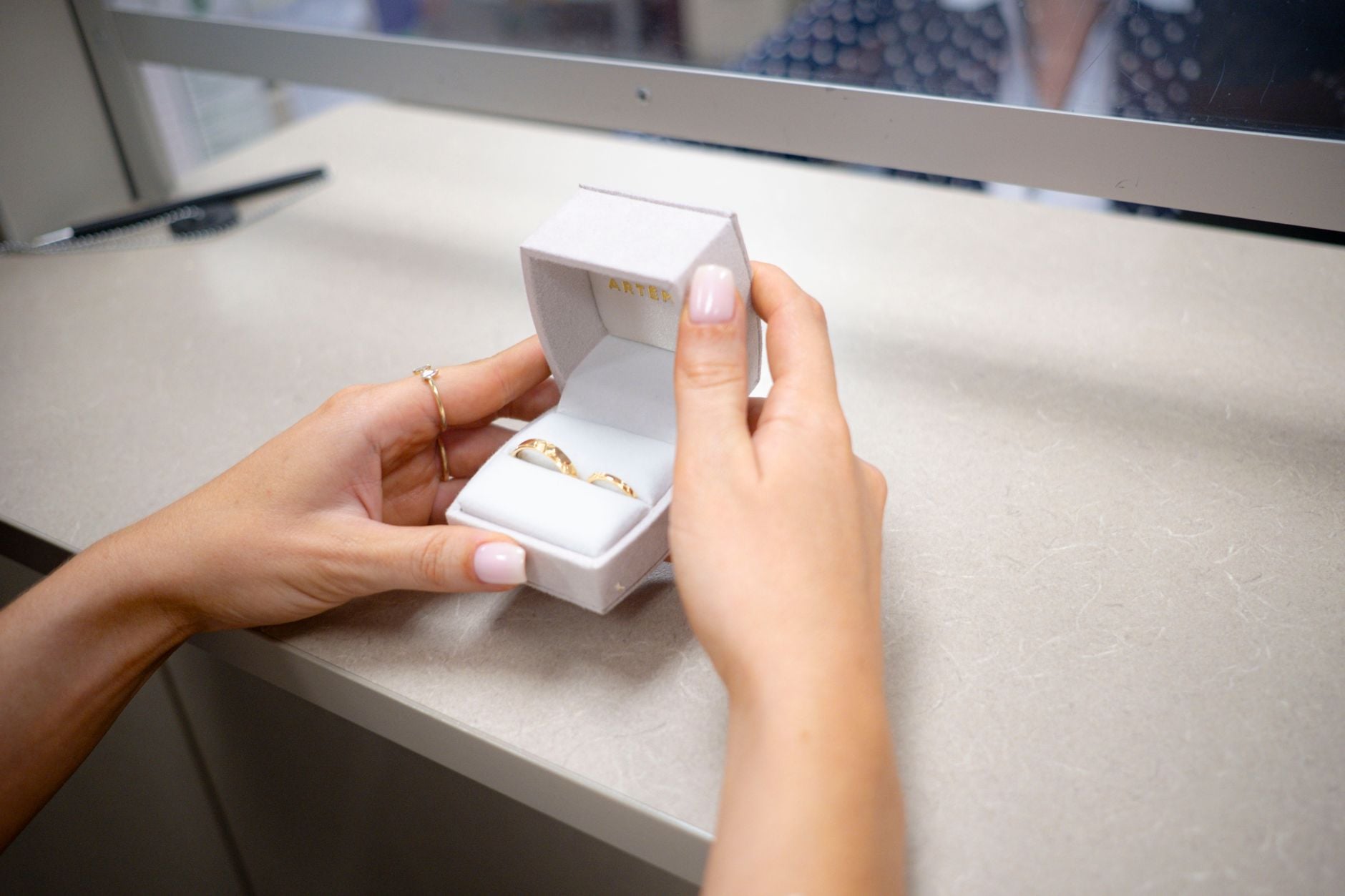
The Ring That Paid for Her Nights
The Trial Pump
While we waited on the money, Carol set Emma up with a trial pump. It was a demonstration unit, a little gray box about the size of a deck of cards, filled with plain saline instead of insulin. It went on her jeans with a clip and connected to a short tube taped on her belly.
“It won’t do anything for your sugars,” Carol told her. “It’s salt water. It’s so you can practice sleeping with it, and wearing it to school, and see if you hate it.”
Emma did not hate it. She named it Gus. She practiced pushing the buttons at the kitchen table, entering pretend carbs for pretend suppers. She wore it to school and told her whole class it was a robot pancreas.
“When the real one comes,” she told me one night, “will I get to sleep all night?”
“That’s the idea, bug.”
“Will you?”
I laughed, and then I had to go into the bathroom and run the faucet for a while.
That was the week I called Brent the first time, by text, with a copy of the supplier’s quote attached. He did not answer. I called him the second time, on the phone. He said he would think about it.
The third time was on speakerphone at the kitchen table. You already know how that went.
The Lawyer’s Office
The morning after he hung up on me, I called the law office in Fort Dodge that had handled my side of the divorce. The lawyer was in court, but his paralegal, a kind woman named Kim, walked me through it.
“You can file for contempt,” she said. “He’s in clear violation of the medical provision. But I have to be honest with you, Jessica. The court calendar is backed up. You’d be looking at a hearing in May. Maybe June.”
“And then he’d have to pay?”
“If the judge finds him in contempt, the judge orders him to pay. Then he still has to actually do it. Some of them drag it out longer.”
“She’s going low every night,” I said. “Every single night now.”
Kim was quiet for a second. “I’m so sorry. I wish I had a faster answer for you.”
I thanked her. I meant it. Then I sat in my car in the clinic parking lot on my lunch break and counted on my fingers. March, April, May, June. Around ninety nights. Ninety times three in the morning.
I did not have ninety nights in me. More to the point, Emma did not.
My Father
My dad, Jim, farms a hundred and sixty acres and runs about forty cow-calf pairs a few miles north of town. He is seventy-one and he still does his own fencing. He does not say much, and when he does, it is usually about the weather or the price of hay.
I stopped out there that evening after work. He was in the calving barn, checking on a first-calf heifer who was bagging up and walking circles in her pen.
“Brent won’t pay,” I said.
He nodded slowly. He had never liked Brent much, but he had never said one word against him in front of Emma, not once, not in all those years.
“How much?”
“Seventeen hundred.”
He looked out over the pens. “I could sell two of the bred heifers. Sale barn in Pocahontas runs Wednesdays.”
“Dad. They’re a week from calving.”
“I know when they’re due.”
“You’d lose the calves. You’d lose the whole spring on them.” I put my hand on his arm, on the old canvas of his chore coat. “I’m not letting you do that. You’ve got property taxes in September and the planter still needs work.”
He did not argue. He just stood there with his hand on the gate. After a while he said, “She’s my granddaughter, Jessie.”
“I know. That’s why I’m not letting you.”
I drove home with the heater on high and did not cry until I pulled into the garage.