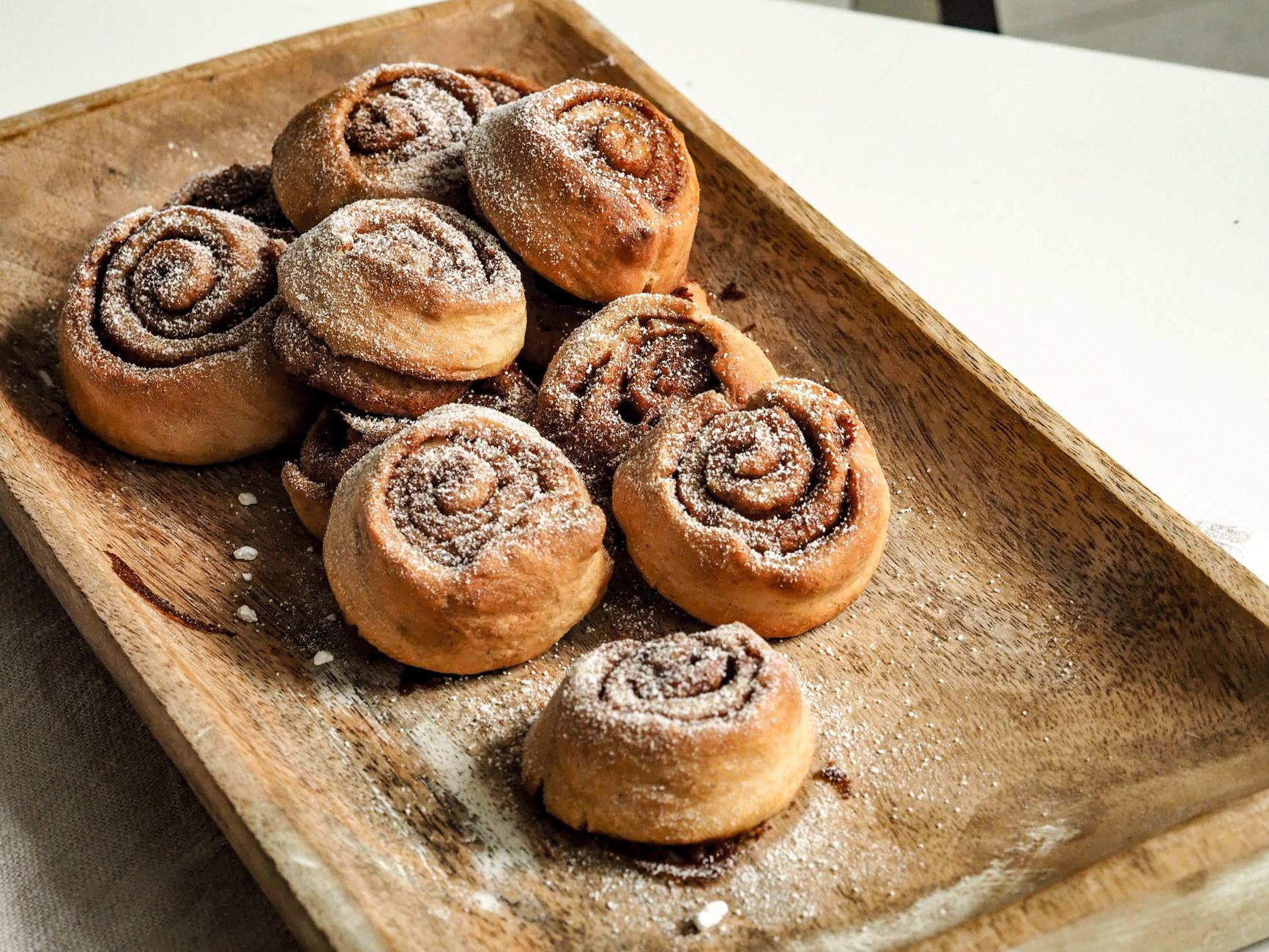
The Recipe Card at the Bake Sale
“And you didn’t fix it,” I said. I said it gently. It was not an accusation. It was just the truth, sitting there between us on the counter.
Janet closed her eyes.
“No,” she said. “I didn’t.”
“When the proof came back,” Janet said, “I saw my name on the cover, and I knew. Not for sure, but I knew. I had eaten those rolls at every funeral in this town. I knew they were yours, or your family’s, somehow.”
“Then why?” I asked.
She opened her eyes and looked at me, and I saw that she was crying, very quietly, the way women our age cry when they have had a lifetime of practice not doing it in public.
“Because I have been in this church forty years,” Janet said, “and I have never once had anything of mine chosen. Not once. My pies are fine. My casseroles are fine. Nobody ever asks me to bring anything. They ask me to set up chairs. They ask me to count the money.”
She wiped her face with the back of her hand.
“I’ve been president six years because nobody else wanted to do it. And I saw my name in gold on that cover, and it felt so good, Missy. It felt so good. And I told myself it was a printer’s mistake and it didn’t matter, and it was for the roof.”
“And at the meeting,” I said.
“At the meeting, when Linda said that.” Janet shook her head. “I knew right then that you knew. And I said that stupid thing about recipes getting around. I’ve been sick about it for a month. I haven’t been sleeping. I’ve been ashamed every single day.”
What I Said
I looked at Janet Hoyle, sixty-three years old, crying in the church kitchen with her back to the window so nobody would see, and all I could think about was Grandma Hazel letting Bernice burn the first pan and never telling a soul.
“Janet,” I said. “Grandma never put her name on anything either. She’d have laughed at the whole business.”
Janet laughed, a wet, surprised laugh.
“But it ought to be right,” I said. “For her. And for Bernice, who was there. And for the girls who’ll pick up that book in fifty years.”
“It will be,” Janet said. “I’ve already thought about it. I’ll call the printer Monday. There’s a second printing ordered, three hundred more. I’ll have them change the cover. Hazel’s name. And a picture of her if you have one.”
“I have one,” I said. “Her at the farmhouse stove, about 1965.”
“And I’ll stand up at the next circle meeting,” Janet said, “and tell them myself. All of it. That’s not your job. That’s mine.”
I had not asked her to. I was glad she said it without being asked.
“And Missy,” she said. She took a breath. “Would you tell the story at the anniversary dinner? About the card, and your grandma, and the 60th. The district superintendent will be there and everybody. It ought to be told right, and you’re the one to tell it.”
I said I would think about it. She nodded. Then she picked up her box of rolls and held it against her chest.
“These were the first ones I ever paid for,” she said. “I’ve eaten maybe a hundred of them at funerals and never paid a dime.” And she almost smiled.