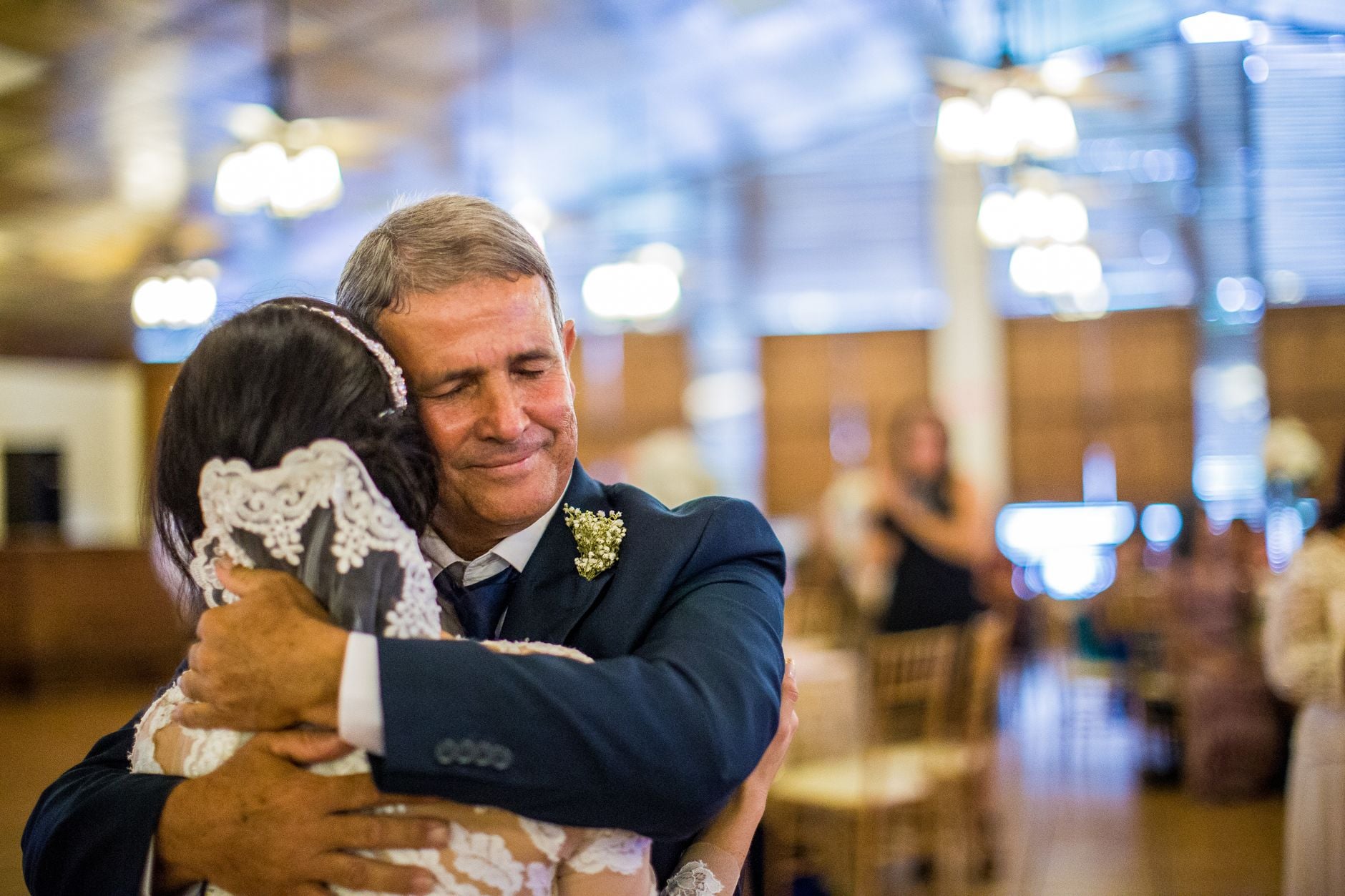
The Man at the Hired Help Table
“A lineman never throws away good cable,” Mr. Deel said, and a few of the older men laughed softly. “He drove home. Twenty minutes each way. He came back with that reel on the truck, and a pair of shovels, and a roll of conduit he had in the rafters. And he and Marty and my grandson Tyler dug.”
Because it was worse than the cable. When they found the fault, a delivery truck had run over the lane the spring before and crushed the plastic pipe the cable ran through. Water had gotten in. The lightning found the water. The pipe had to be dug out and replaced, and that was fourteen feet of trench through Indiana clay, hard as a brick in September with no rain for three weeks, under a sun that was already hot at seven in the morning.
Marty did the work inside the panel. That was his job and his license, and he said the cable was the cleanest pull he had ever seen. But the digging, the pipe, the pulling of ninety feet of heavy cable by hand through a conduit with a rope, that was Earl.
“Sixty-one years old,” Mr. Deel said. “Tyler is sixteen, and he told me Earl dug twice as fast as he did and never once sat down. They had the trench dug about half past eleven. Marty worked the panel while Earl backfilled. Dale came out at ten after one, on his own time, in his own pickup. A lineman can’t touch it on the clock, and neither of them was on it, that’s the whole point. He checked the connection at the pole and hung it live. The county inspector, Dale tells me, looked the other way until Monday. The lights in this barn came on at a quarter past one. The ceremony was at three. Earl had better than an hour to wash up and get his clothes on. And while he was in that lane, his arch lay in the bed of his truck, and your groomsmen stood it up in the grass at half past one, never knowing what it had cost.”
“He didn’t have a suit,” I said. My own voice sounded strange to me. “He told me it was handled.”
“His new suit was hanging at Hadley’s,” said Mr. Deel. “Paid for. Fitted. Hadley’s shut up early today for a funeral. Earl tried the shop from the lane about a quarter to twelve and it rang out.”
From a table in the third row, someone stood up. It was Mr. Hadley, seventy-something, a small man in a very good suit.
“It’s on my rack,” he said, to the whole barn, helplessly, in the voice of a man who has found out something too late. “Gray, with the vest. I closed up for the Ames funeral and never looked at my phone. Earl, if I’d known, I’d have driven it out here myself.”
“Nobody’s fault,” my father said. His voice was rough. “I figured you’d drop it by. Then I figured it would keep. It was Wesley’s day.”
I do not remember standing up. I remember that my chair was behind me and I was on my feet, and my father was looking up at me with his split knuckles and his comb lines, and I could not say anything at all.