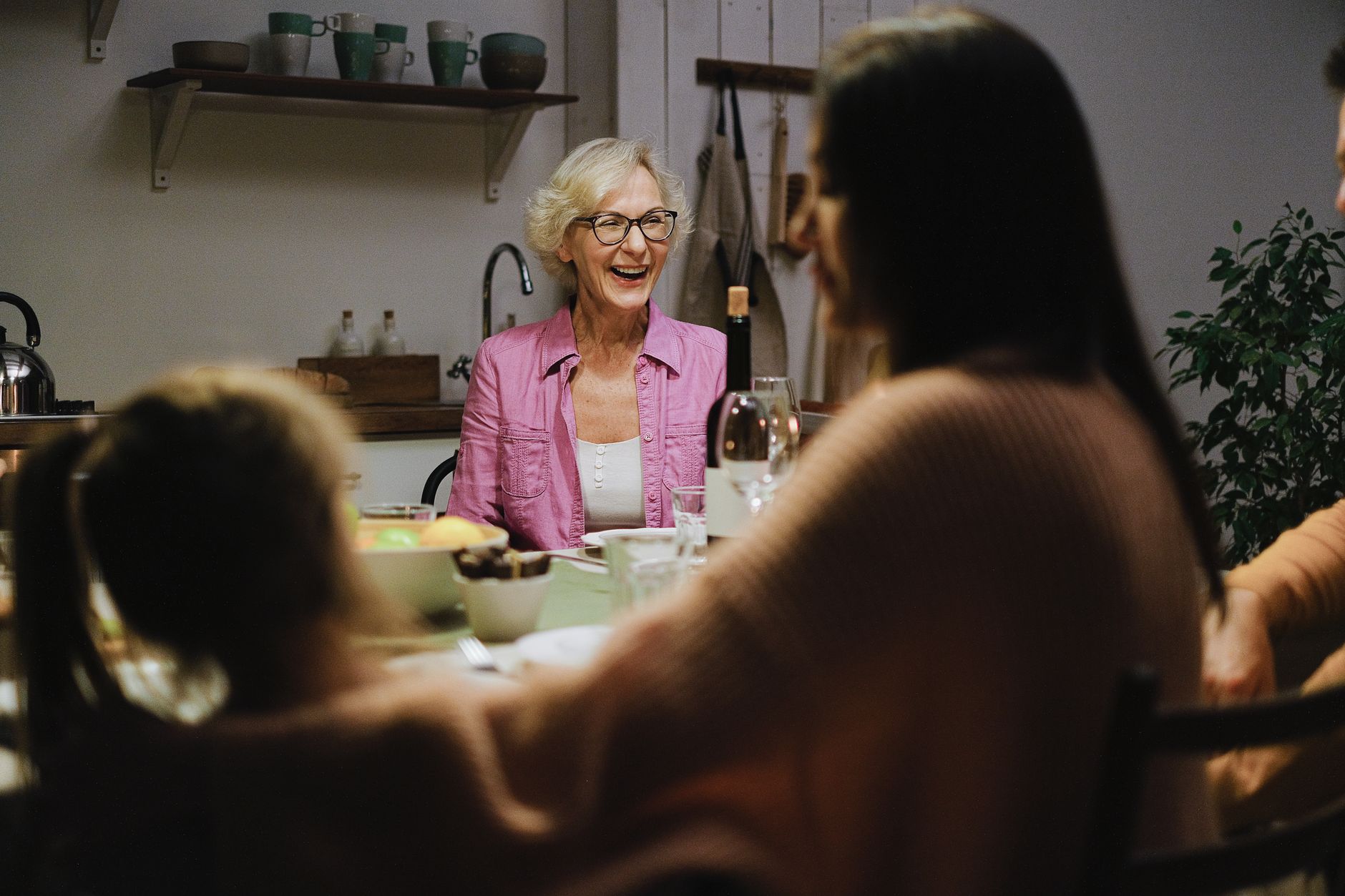
The Chair I Kept Empty For My Son
This was a dairy and crop operation, a hundred and ten acres plus the pasture lease from the Haugens next door, sixty head of Holsteins that Gene’s father had started milking in 1958 and that Gene kept milking twice a day, every day, until the week before he died. Danny grew up in that barn. By the time he was ten he could strip a quarter and tell you from the sound of the machine if something was wrong with the vacuum line. Gene used to stand in the doorway with his coffee and watch him work and not say a word, because that was Gene’s whole heart sitting right there in a pair of too-big chore boots, and he did not need to say it out loud for anybody to see it.
Gene died thirteen years ago this past January. A blood clot, fast, in the machine shed on a Tuesday morning with the tractor still running. He was fifty-eight. I was the one who found him, and Danny was the one who held me up in the yard until the ambulance that could not have helped anymore came anyway, because that is what an ambulance does in a township forty minutes from the nearest hospital. We buried him on a day so cold the gravediggers had to run a propane heater over the ground the night before just to break it.
For about two years after that, it was Danny and me running the place together. He was twenty-four. He had been planning, before his father died, to go in with a cousin on a trucking route, something off the farm, something that was his own, and he set it aside without being asked because he was not the kind of young man who would leave his mother holding sixty head of cattle by herself. I want that said plainly and I want it said first, because the man who should have spoken up in this story did speak up. He came home. He got up at four thirty for two years and did his father’s milking and his father’s fence mending and his father’s bookkeeping, and he never once made me feel like I owed him for it, which somehow made me feel like I owed him for it more.
Vinje is not much of a town, if I am honest. A grain elevator, a hardware store that doubles as the post office window, a Lutheran church with white clapboard siding Gene’s own grandfather helped frame up, and a gas station that sells bait and ammunition out of the same cooler. Everybody at that church knew Gene, and everybody at that church still asks after Danny the way small towns do, careful and sideways, because they know the shape of the story even if they do not know every piece of it. I have lived here forty-five years and I have never once had to explain myself past the second sentence to anyone at that church, which is its own kind of mercy a city person might not understand.