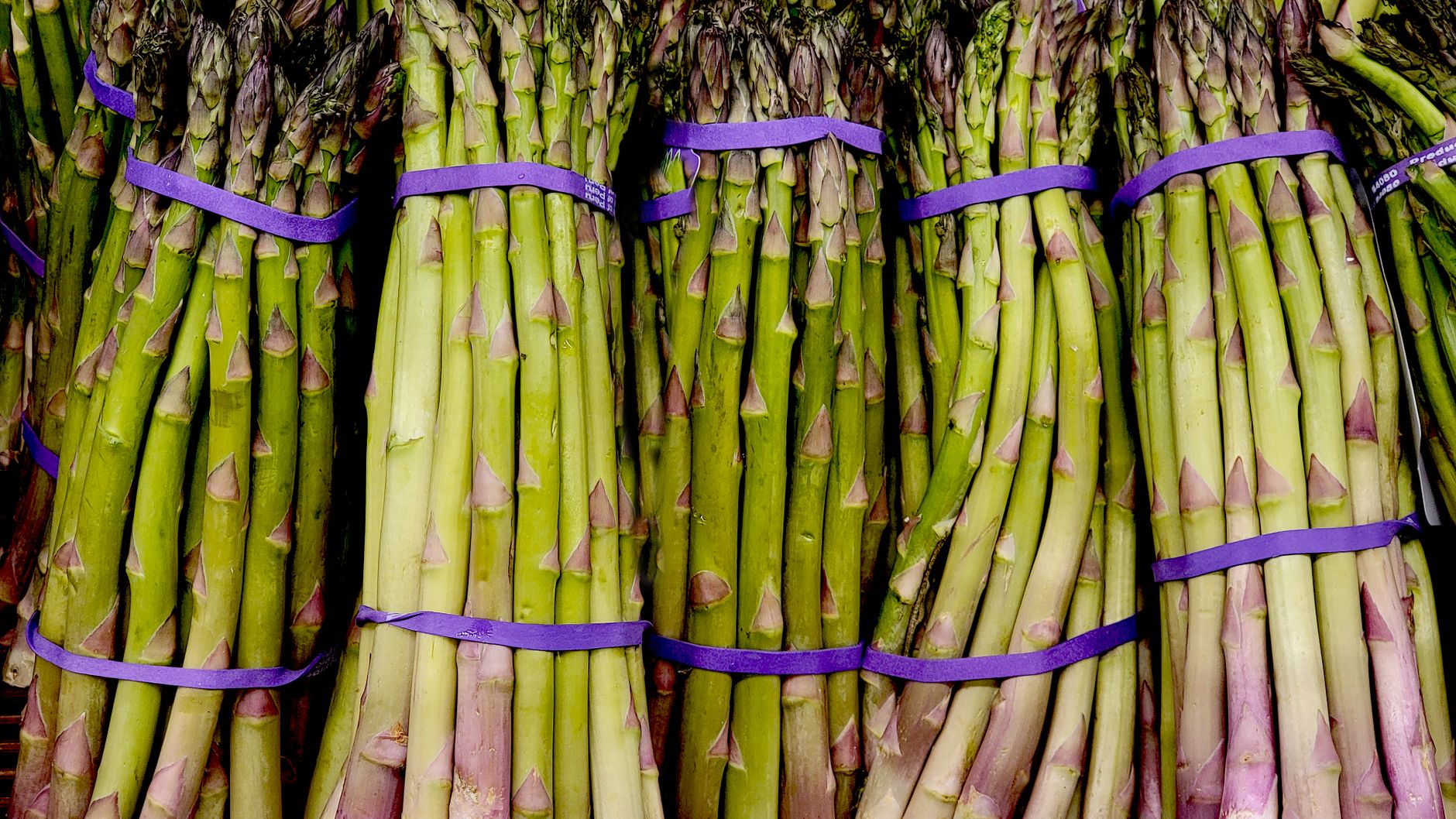
The Asparagus Along The Property Line
“It was already tilled,” I said. “I got home at twenty past seven and it was done. If I had come home at noon I’d have stood in front of that machine, and you’d have moved your patio, and we would never have had a cross word.”
She was crying without any noise, the way I do.
“I’d have put it by the garage,” she said. “I’d have put it on the roof.”
“I know you would.”
“So why not say? After?”
I had told myself a nice answer for two months, and sitting on that step beside her I found I owed her the other one.
“Part of it was plain kindness,” I said. “You were so happy. And you hadn’t done anything. I’m the one that cut it down to nothing in March so it looked like bare dirt. You can’t be blamed for not knowing what no one said.”
“And the other part?”
“The other part is I wanted to be the one who knew.” It was hard to say. “I wanted to be out there with my straw, being quiet and good, while you called it weeds. That’s not kindness. That’s just pride that goes to church.”
She gave a wet little laugh. Then she put her face in her hands.
“That man couldn’t eat anything else,” she said, through her fingers. “And I have been sitting on it in a lawn chair with my feet up.”
“Kristin. Look at me.” She did. “It’s not under the patio. It’s right there.” I pointed down the line. In the early light the ferns were silver with dew, every thread of them. “I got it out. Thirty-three of forty-one. My mother herself lost three out of twelve.”
She looked at it a long while.
“I said Chad should run the trimmer down it.”
“You did.”
“Oh, Lord.”
“I’d have tackled him,” I said, and that time we both laughed, and it was the first easy minute we had had since March.
After a bit she wiped her face on her sleeve and said, “Is there anything it needs?”
“Not a thing. That’s the hard part. It needs to be left alone. You don’t cut till the third spring.”
She nodded slowly, like somebody being handed a sentence and finding it fair.
I will tell you the two years quickly, because nothing happened in them, and that was the point.
She never called it a weed again. That fall, after the first hard frost turned the ferns gold, there were four bales of clean straw stacked against my garage one Saturday when I got up, with no note. Chad said he had not done it.
She went across the road to Lois that same week and stayed two hours. From then on it was Kristin who carried Lois’s trash can to the road on Thursdays.
The second spring, the spears came. Real ones this time, though no fatter than a pencil. I stood at my sink one morning in May and saw Kristin at the posts in her bathrobe, bent over with her hands on her knees, looking at them. She did not touch one.
“Not this year?” she called, when I came out.
“Not this year.”
“They look ready.”
“They always look ready. That’s how they get you.”
She counted them most mornings after that, and told me the number over the posts on her way to her car. All thirty-three had come back, and I let every one of them go to fern.
That second summer the ferns stood shoulder high. In the evenings Kristin sat out on her patio with her iced tea. She had turned her chair around to face them.