The For Sale Sign In My Yard
Carol Petersen spoke up next, standing by the coffee cake she’d set out on a folding table Ruthie had produced from somewhere. “I want you both to know,” she said to Todd and Abby, gentle, no edge in it at all, “that this woman drove her mother to dialysis three mornings a week for two years, forty five minutes each way, and sat up nights with her daddy’s oxygen tank, and farmed this whole hundred and sixty acres through every bit of it. I’m not telling you that to shame anybody. I’m telling you because a house like this one isn’t just square footage. It’s got somebody’s whole life poured into the dirt around it, and you ought to know whose life, before you decide you want it.”
Rick Satterfield had gone very quiet. He was a decent enough man, I came to understand later, just doing the job the way the job is supposed to work, and nobody had told him the particulars, because Pam had not told him the particulars, because the particulars did not fit easily onto a listing sheet.
That was when Pam’s car came up the lane.
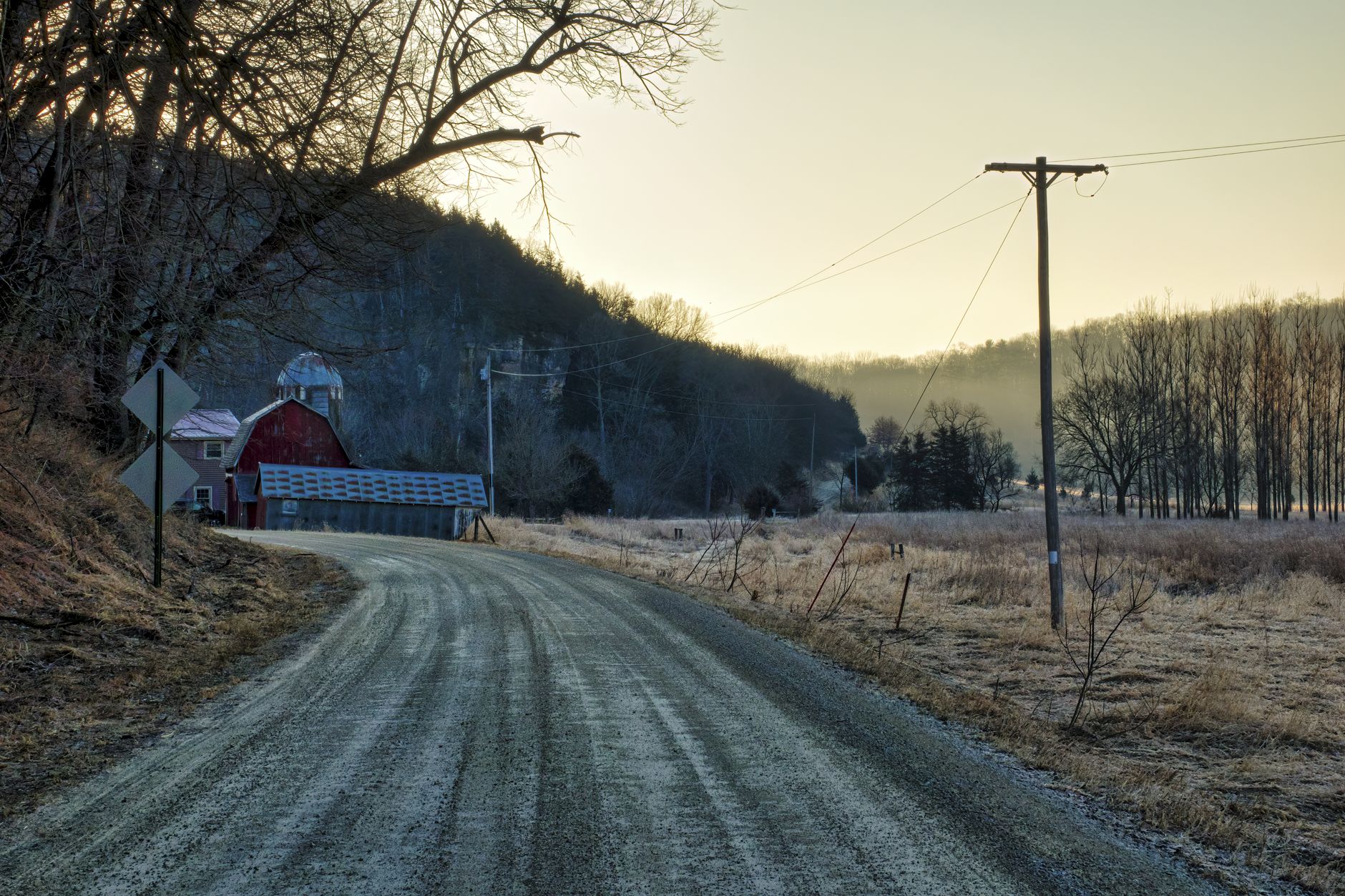
I heard it before I saw it, the particular whine of her little sedan’s engine straining over our gravel, a sound built for smooth city streets. She slowed when she saw the trucks. I watched her slow down further still when she recognized Dale’s truck, and Gene Petersen’s, and old LeRoy’s, parked crooked and unbothered all along my lane like it was any ordinary Saturday, which in a way it was.
She parked and got out, and I watched my sister, fifty seven years old, dressed for a business meeting in a town where nobody wears a blazer to a farm, take in the sight of our entire road standing in our parents’ yard.
She looked at me. I did not look away.
“Jo,” she said. “What is this.”
“These are our neighbors,” I said. “They’ve known this place longer than either one of us has been alive. I thought, since you were going to show it to strangers, they ought to have a chance to say hello first.”
Dale stepped forward then, not fast, not aggressive, just the easy way a man steps forward who has been patient his whole life and is tired of being patient about one particular thing.
“Pam,” he said, “I knew your mother before either of you girls was born. I helped your daddy build that barn with my own two hands when I was a young man and he was younger still. I have watched your sister keep this ground alive every single day for four years with no husband left to help her and no sister close enough to lend a hand either. I am not telling you how to run your business, Pam. That’s not my place and I know it. I’m only asking you to look around this yard one time, at every face standing in it, before you decide what this place is worth and who gets to say so.”