The For Sale Sign In My Yard
“You can refuse to sign anything at closing,” Pam said, not unkindly, just factually, the way she explains things, like she is reading off a form. “A sale can’t actually close without both our signatures eventually, you and me, since we both inherit equal shares once probate’s done. But that’s a long way off and a lot of lawyers, Jo, and in the meantime there’s nothing wrong with Rick showing the property to people who are interested.”
There it was. She was right, and she knew she was right, and she knew that being right was not the same thing as being decent, and she was using the gap between those two things like a crowbar.
“You could rent something in town,” she said. “Something small. One story. No more climbing in and out of that loft by yourself.”
“I don’t want something small in town.”
“I know you don’t. But Jo, I need my half of this, and I need it sooner than later, and I’m not going to apologize for trying to get it the normal way, through a realtor, like a normal grown adult.”
I hung up the phone. I did not slam it down. I set it in the cradle the way my mother taught me to treat things that are not yours to break, even when they feel like they are about to break you.
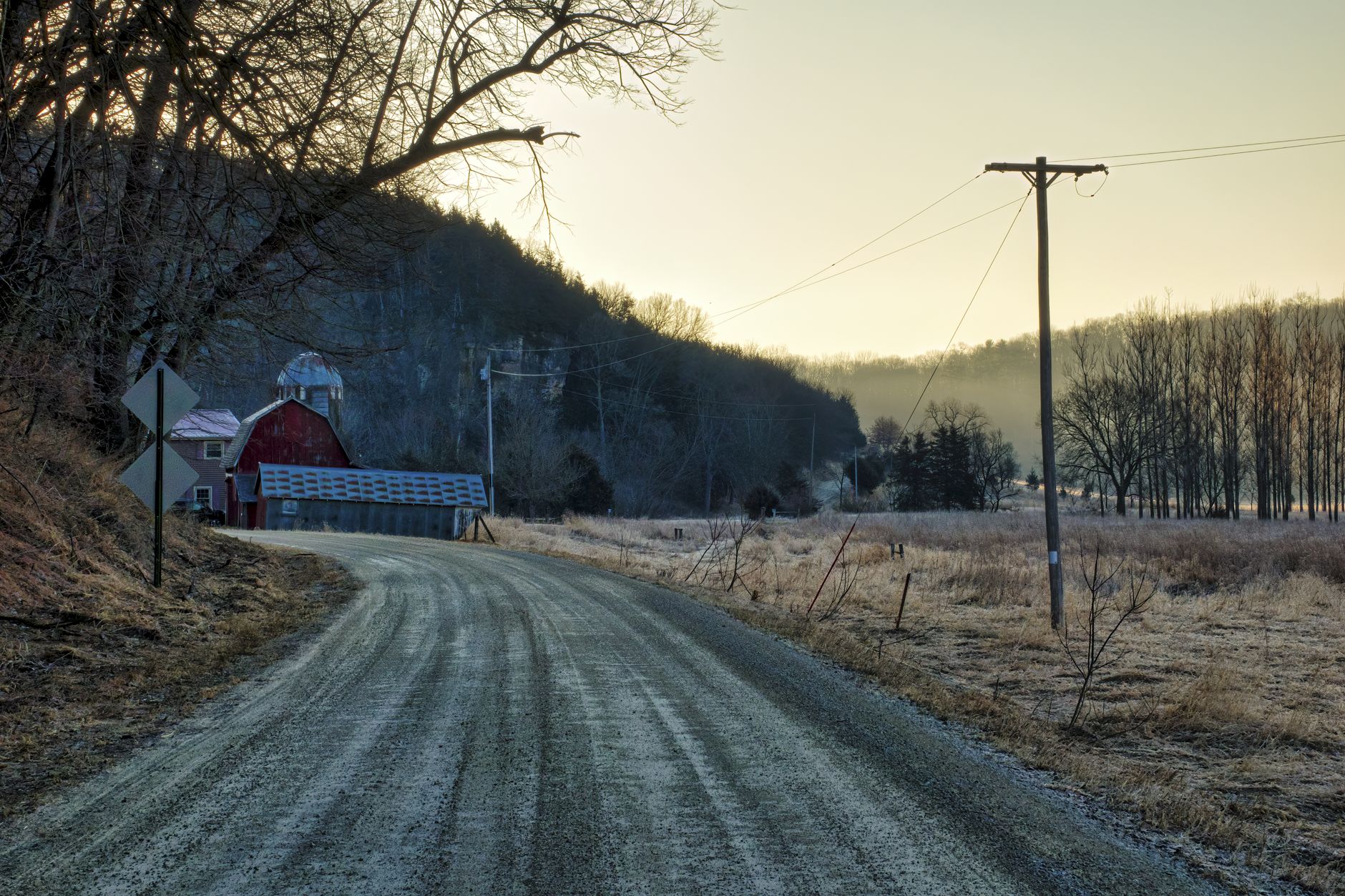
My husband Mark and I had farmed that ground together for twenty six years, corn and soybeans on the row crop acres, forty head of mixed cattle on the pasture that runs down along the creek, the same operation his father in law, my father, had built up from nothing starting in 1957 with eighty acres and a loan from the Rushville bank that took him eleven years to pay off. My father added eighty more acres in 1971 when the Simmons place next door came up for sale and he could finally afford it. He built the pole barn himself in the summer of 1965, three days of work from first light to dark, because the Palm Sunday tornadoes that April had come through Rush County and taken the old hip roof barn clean off its foundation, taken half the Osters’ hog house too, and he was not a man who waited around for insurance to decide what he could and could not do about his own property. Half the men on our road came and handed him lumber and nails for those three days. That barn still stands. I had hay in it that very week.
My mother planted the lilac bush the sign was standing next to. She planted it the spring she married my father, 1956, a cutting she got from her own mother’s yard two counties over, and every May since, for seventy years running, that bush has bloomed the same two weeks the lilacs always bloom, and the smell of it coming through my kitchen window in spring is the smell of being a child in that house before anything in the world had gone wrong yet.