The Woman Who Fried the Chicken
I am not allowed to touch the skillets. Nobody is. She stood at that stove for six hours with a long fork, turning every piece herself, and when a skillet spat she did not even flinch. She has little white scars up both forearms like grains of rice. Fifty-one years of them.
About ten o’clock she sat down for the first time. She sat on the step stool by the stove so she could still see the pans.
“Is it a good crowd, do you think?” she asked me.
“They’re saying two hundred.”
She looked at the roasters lined up on the table, lined with clean dish towels, filling up slowly.
“I wish I could do more,” she said.
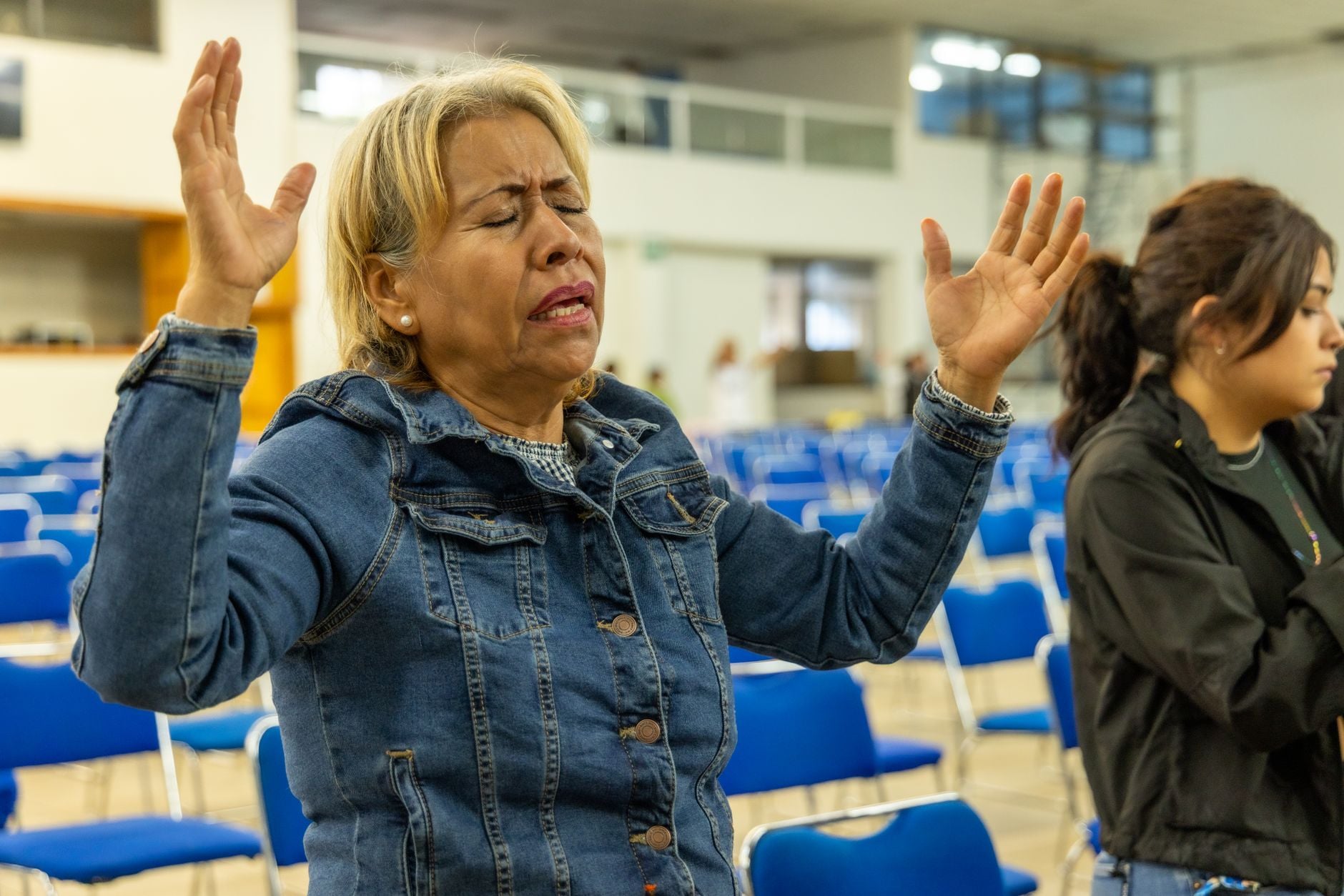
That is who was standing in the fellowship hall with her hands out.
My husband, Dean, came by at one with his truck. He carried the four roasters out wrapped in towels and buckled them in on the back seat like they were grandchildren, and he drove them to the church at twenty miles an hour and put them in the warming ovens himself. He does it every year. He has a level in the truck and I have seen him check that the roasters were sitting flat.
Mom lay down for an hour. Then she got up, washed, put on the blue dress, and pinned on the little cameo that was her mother’s.
Cheryl bought her a new dress last Christmas. It is a nice one, a soft gray. It is still in the box on the closet shelf.
“This one’s got years in it yet,” Mom said, when I asked.
I drove her to the church at four.
Cheryl met us at the kitchen door with a clipboard. She had been there since noon. She had her reading glasses pushed up in her hair and a pencil behind her ear, and she looked like she had not slept, which I found out later was the truth.
“Mom, I have you at the table by the piano,” she said. “I’ll have one of the youth bring you a plate. You don’t need to stand in that line.”
“I can stand,” Mom said.
“I know you can stand. It holds people up, is all.” Cheryl looked at the dress and then looked away from it. “Just sit, please. Just for tonight let people wait on you.”
Mom went and sat by the piano.
I should say that Cheryl had made a sign. It was on the serving table, in her neat printing, propped against the first roaster. Home-fried chicken: one piece per person, please, until all have been served. All you like from the trays.
It was a fair sign. Ninety-six pieces of Mom’s, two hundred people. I could not have argued with it. It did not say whose home, and I do not believe anybody under sixty had ever wondered.
Pastor Lyle said the blessing at five. The line started. A boy from the youth group brought Mom a plate with a wing on it, and she thanked him like he had brought her a crown, and she ate about half.
I went to cut pies.
What I did not see, because my back was turned, was Mom getting up.
She had been watching the far end of the hall, the table nearest the outside door. That is where Mr. Abbott sits.