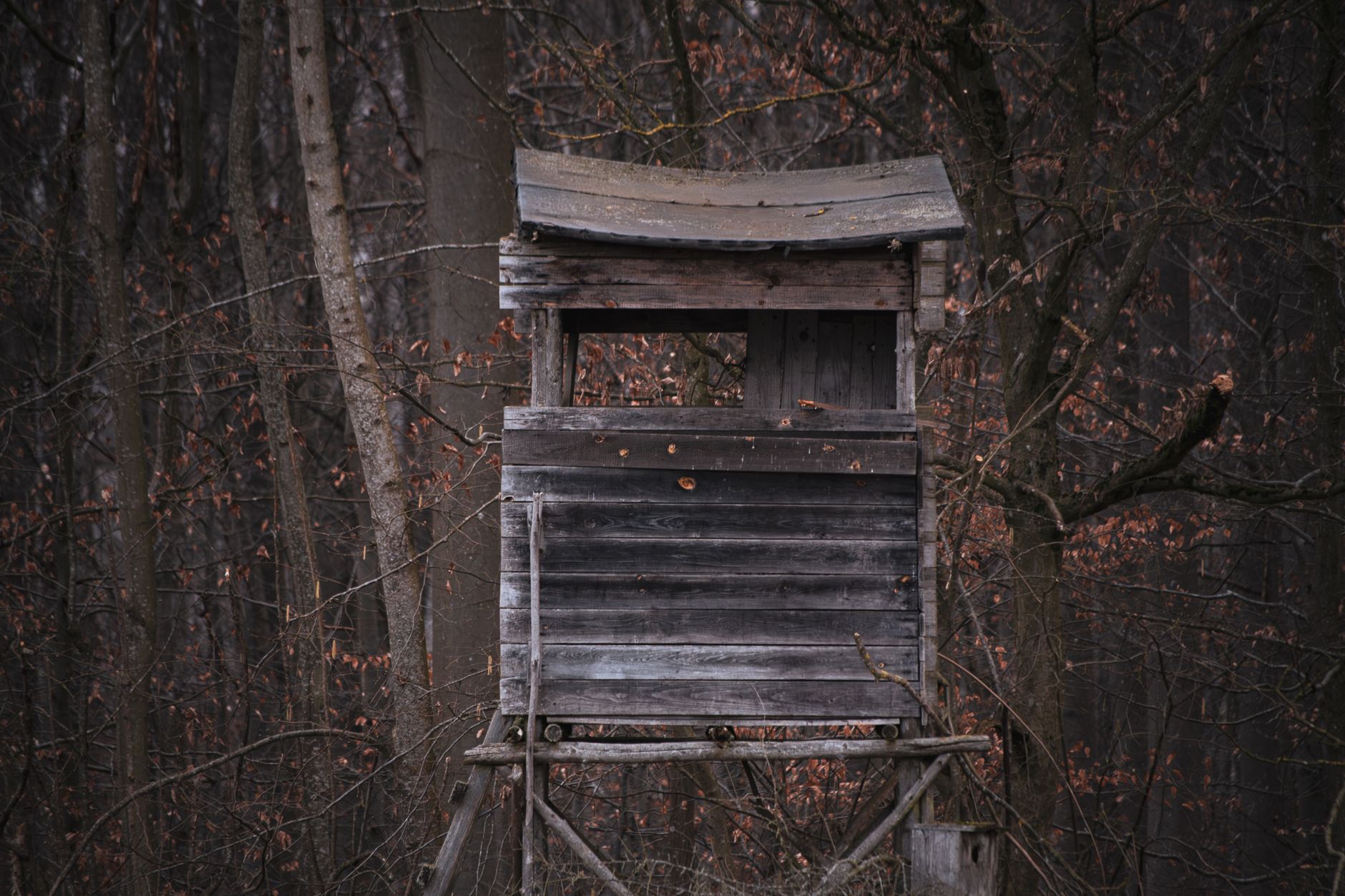
The Widow in the Deer Stand
“It’s gone.” His voice had gotten small. “The elevator cut my hours after harvest last year. I got two months behind on rent. Then the transmission went out on the truck and that was twenty-nine hundred by itself, and I can’t get to work without it.” He rubbed his eyes with the heels of his hands. “A fella at the station in Columbus saw my rifle rack and asked did I know any ground. And I said yes before I thought. I said it was mine. It just came out. And then he handed me cash, and after that I didn’t know how to stop.”
“You could have asked me.”
“For what? Money?”
“For the hunting, Cody. For yourself, for a friend, for anything.” I kept my voice down, and it was hard to do. “Wes would have handed you that eighty any Saturday you asked. So would I. You’ve had a key in your pocket since you were sixteen years old. You never had to tell a soul it was yours. All you ever had to do was say it was his.”
His shoulders went. He put his face in his hands right there at the round table in front of half the county, and he cried the way he did when he was nine.
I let him. I did not reach across. He needed to do that by himself.
When he was done I told him how it was going to be.
“First. You’re going to call the man from Fremont and the two brothers from Lincoln, today, from that chair, and tell them the truth. All of it, your own mouth. Then you’re going to hand me the phone. They paid in good faith for something I didn’t know I was selling. If they still want to come, they’ll come as my guests and I’ll meet them at the gate myself.”
He nodded.
“Second. That sign comes down today, and you take it down.”
“Yes, ma’am.”
“Third. You sold twenty-eight days of something that wasn’t yours to sell. I don’t want your money. You don’t have it, and I won’t have you borrowing it from your mother.” I tapped the placemat. “You owe that eighty twenty-eight days. The cedars have gotten into the grass on the north end something terrible. Wes meant to cut them the spring he died. You’ll cut them. Saturdays, and Sundays after church, starting the weekend after season closes, eight hours a day until you’ve given back every day you sold. I’ll be out there working beside you, so I’ll know.”
“Aunt Marlene.”
“I’m not finished. There’s a man and a boy at that counter who are out six hundred dollars.”
“I’ll pay them back. I’ll pay it out of my check. Fifty a week.”
“Then go and tell them so.”
He got up. It was the longest walk of his life, twelve feet across that cafe with every eye on him. He stood in front of Mark with his cap in his hand.
“I lied to you,” he said. “And I lied to your boy. I’ll pay back every dollar. It’ll be fifty a week, and I’m sorry it can’t be faster.”
Mark looked at him a good while.
“Pay him first,” he said, and nodded at Ben. “He worked for his.”
Then Cody turned to Ben, a fifteen-year-old, and said, “I’m sorry. My uncle would have liked you. That part was true. He’d have been ashamed of me, and that’s true too.”
Ben did not know what to do with that, and I did not blame him. He said, “Okay.” Then, after a second, he stuck his hand out. Cody shook it.
Cody made his three calls from the round table with me sitting across from him. The man from Fremont said he would find someplace else. The brothers from Lincoln asked to talk to me, and they came Wednesday and Thursday and brought me a sack of pheasants already cleaned.
Brings me back to my early age. Enjoyed 😉