The Eleven Widows I Called That Night
She did not answer right away.
“You’d sit with them,” she said. “With whoever has no one.”
“With whoever you say. Your teachers know which children. Let them do the matching at the classroom door. We don’t have to know a thing ahead of time except what time to come.”
“I can’t just let people into my building, Mrs. Brandt. Not even for this.”
“I’d think less of you if you did.”
“Everybody signs in at the office that morning and shows a driver’s license, cleared or not. The teachers are in the room the entire time. No pictures of other people’s children.” She was counting on her fingers now, and I could see her starting to want it. “And a note goes home to every second grade family first, saying exactly who is coming and why. If a parent would rather their child not have a visitor, it’s no, and nobody argues.”
“That’s fair.”
“Anybody not already on my cleared list fills out the form like everyone else and waits for it to come back. No exceptions for a good heart.”
“I wouldn’t ask for one.”
She stood up and went around to her desk. She pulled the calendar over and looked at it a long moment.
“It was set for a week from Friday,” she said. “That’s ten days.”
“Then you’d better get that note written,” I said. “And I had better get on the telephone.”
I called Vi first, because you always call Vi first.
Vi and I have sat in the same pew for thirty-four years. When I buried Walt, she is the one who came and sat in my kitchen every afternoon that first month and did not once tell me it would get easier. She just did my dishes. She is seventy-six, has a new knee, and says exactly what comes into her head.
I told her the whole thing.
“So few of our children,” she said. “They put that in writing?”
“She meant it kindly, Vi.”
“I expect she did. The road to you-know-where.” I heard her television click off. “What do you need?”
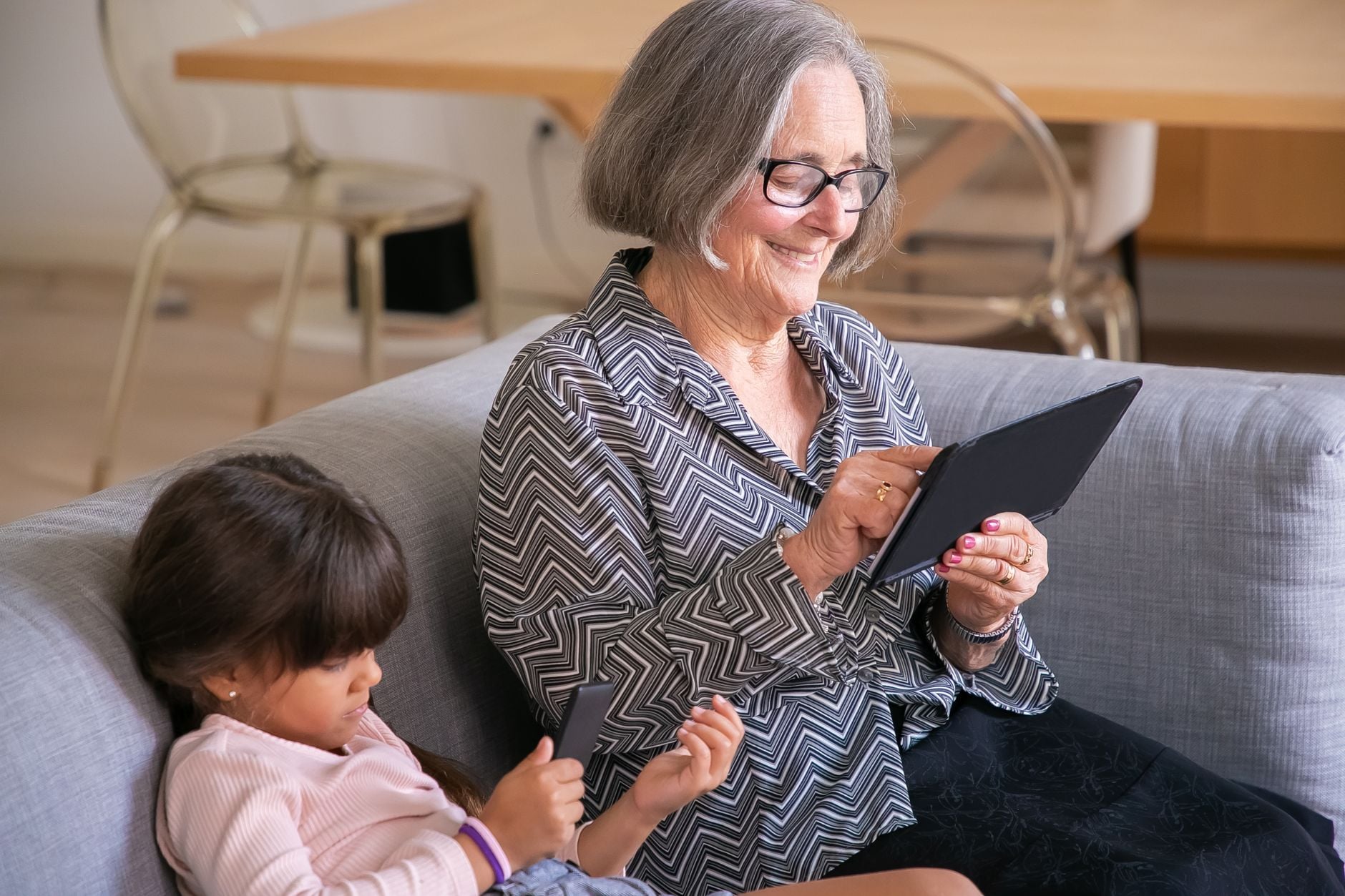
“I need you to come to the school a week from Friday and be somebody’s grandmother for an hour.”
“Whose?”
“Whoever hasn’t got one. The teachers will match us up at the door.”
“Do I have to sit in one of those little chairs?”
“You do.”
“Well,” Vi said. “I haven’t been shown a spelling test in eleven years. Put me down for two.”
I got out the sign-up sheet for the reading helpers, the one that hangs on the bulletin board outside the church office, and I started at the top.
I called Marge, who taught third grade in this town for twenty-nine years and said yes before I finished my sentence. I called Arlene, who had her hip done in the spring and asked only whether there were stairs. I called Joan, and Lois, and Norma out on the county road, whose nephew would have to bring her in.
I called Phyllis, who cried, because her only grandchildren are in Oregon and she had mailed their birthday cards that very morning.
I called Donna and Jean and Shirley. I called Ruthie, who is eighty-four and still drives herself to Lincoln.
That made eleven. Eleven widows, and I am the twelfth. I did not go looking for widows in particular. When you take the list of women from our church who are free to hear children read on a Tuesday morning, that is who is on it.