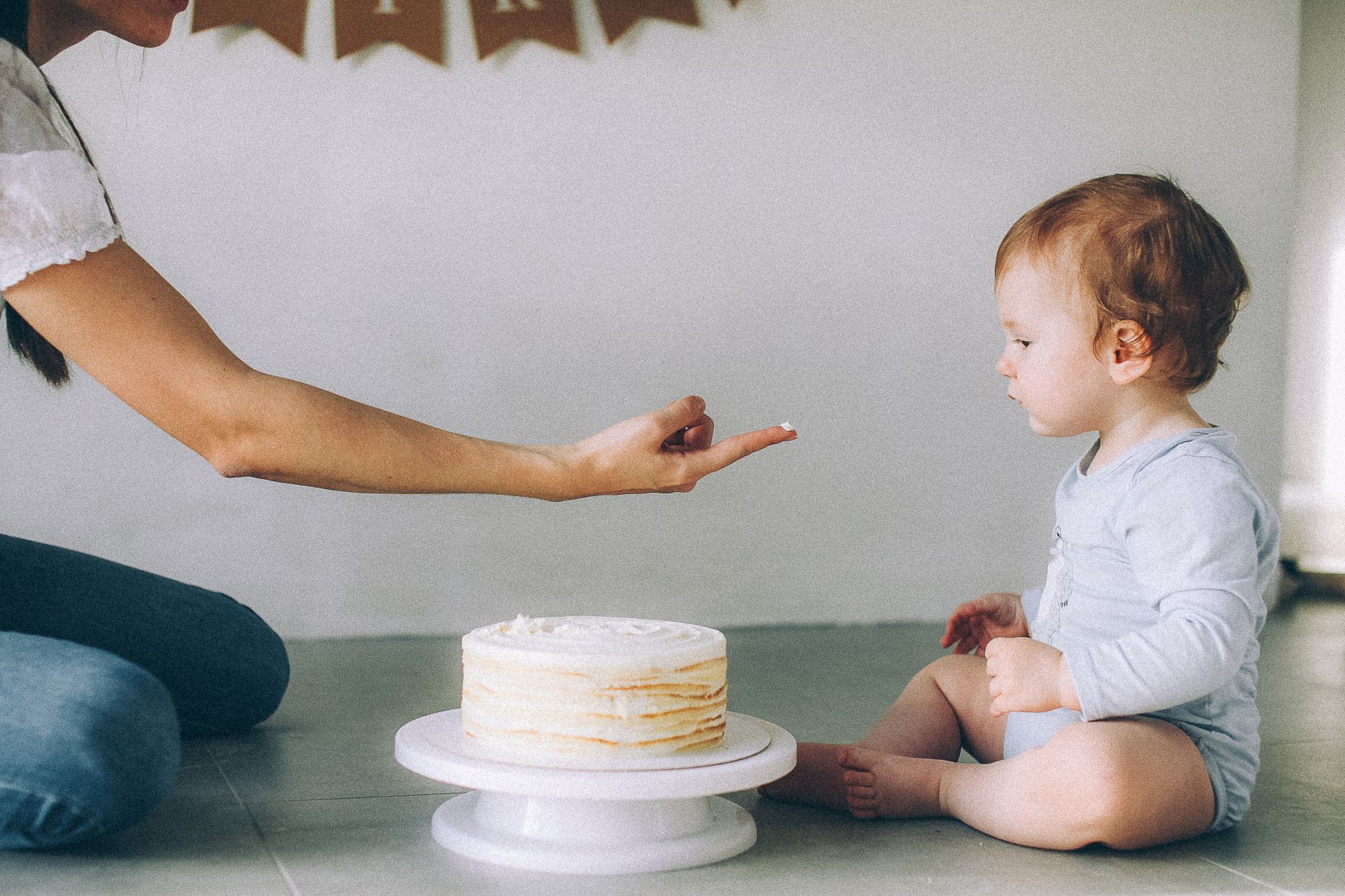
The Total My Mother in Law Handed Me
Gene, my father-in-law, sat at the far end of the table with a plate of pretzels he was not eating. He had put in thirty-one years on the line at Kenworth and he was not a talker. He looked at his wife for a long moment. Then he looked at his hands.
So it was up to me.
I will tell you plainly what I wanted to do, because I am not a saint. I wanted to say, Judy, this is my son’s birthday and you can take your purse and go. I had the sentence all the way up in my mouth.
My mother felt it coming. Her hand tightened on my knee.
And I looked at Owen in his paper hat.
He was not going to remember this day. But there were going to be pictures of it. There was going to be a story the family told about his first birthday for the rest of his life, and it was going to be either the one about the cake or the one about the fight. I was the only person at the table who got to choose which.
There was something else, too. Judy had gotten up at a quarter past four the morning before to go sit in a chair for four hours with two needles in her arm, the same as she did every Tuesday, Thursday and Saturday. She was sixty-two years old and she weighed a hundred and eighteen pounds. On the table in front of her was a little paper cup of ice chips, because she could not have the punch. She is allowed just so much to drink in a day, and she had been saving up for a bite of her grandson’s cake.
You do not put a woman like that out of your house. Not if you can find another way.
So I smiled at her. It was not a mean smile. I made sure of that.
“Judy,” I said, “may I borrow your pen?”
She blinked at me.
“My pen.”
“If you do not mind.”
She took it out of the wire of the notebook without taking the notebook out of her purse. She handed it across slowly. I believe she thought I was going to write her a check, and I believe a part of her was already sorry.
My mother leaned toward me. “Megan,” she said under her breath. “Honey. Do not.”
“It is all right, Mom.”
I turned the slip over. The back was clean.
I smoothed it flat next to the cake plate and I thought about where to start. It did not take long. There was only one place to start.
I wrote: Tuesdays, 61.
Judy’s kidneys quit on her two winters before Owen was born. It was the diabetes, and it had been coming for years, and still nobody was ready. They put her on the machine three mornings a week at the dialysis center across town. Gene was still at the plant then, first shift. He could trade his way out of Saturdays and he worked it out with his foreman to come in late Thursdays and make it up, but nobody was going to give a man three mornings a week.
I was working the bakery at Kroger. I went to my manager and asked for Tuesdays as my day off, every week, and she gave them to me.
So every Tuesday for fourteen months I got up at half past four, drove out the county road in the dark, and had Judy in her chair by a quarter to six. I went back for her at ten. The first weeks she sat straight up in my passenger seat with her purse on her knees and thanked me in a voice like a bank teller.