The Application My Father In Law Kept
They called me in at three Monday morning to plow. I ran the Fourth Street hill and the hospital loop for fourteen hours. That is where the overtime comes from, if anybody is still wondering. It comes from the hours other people are asleep.
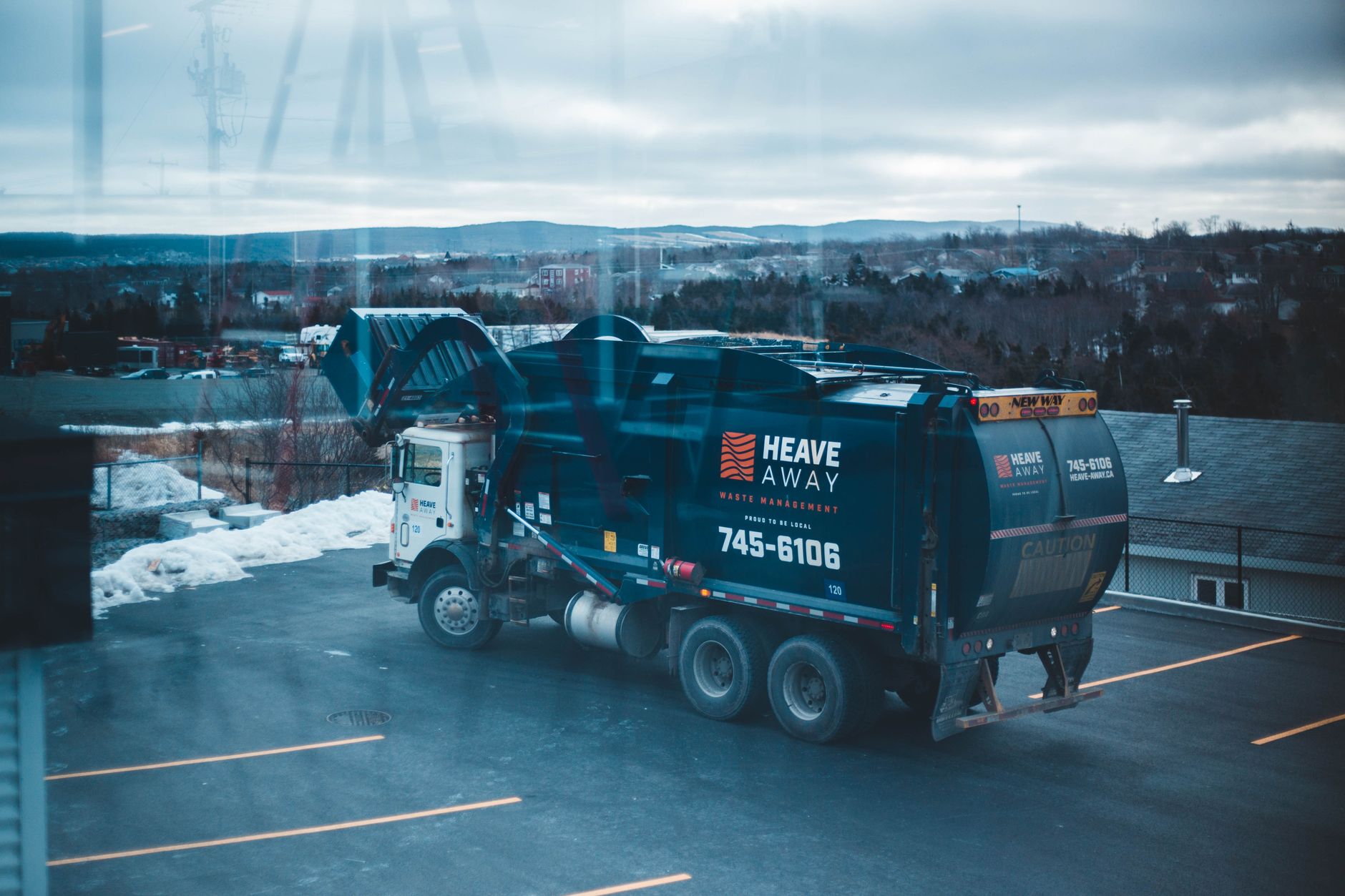
By Monday night the wind had quit and the cold came down behind it. Twelve below on the bank sign. The city sent out word that garbage would run on schedule Tuesday, carts at the curb if you could get them there, and if you could not we would come back for you Thursday.
Rick and I left the shop at six in the dark. We went slow, digging carts out of the drifts with our boots.
We turned onto North Delaware at about a quarter past seven.
I noticed the cart before I knew I had noticed it. There was no cart.
Plenty of curbs were empty that morning. I had passed forty of them and thought nothing of it.
But I had nine years of that one curb, and it had never been empty. Not the week Harold’s stone was set. Not the morning after the tornado warning. If Edna Petersen could not get her cart out, she would have been standing in the window to wave me off and mouth the word Thursday.
The kitchen light was on, and nobody was in the window.
“Hold up,” I said to Rick, and I set the brake.
Her driveway had not been touched. But the overhead door on the garage was up about two feet, and there was a light on inside, and a tongue of snow had blown in under the door and across the floor.
I did not finish the block. I was out of the cab and through the drift at a run. I got down at the gap under that door and saw a slipper, and a hand flat on the concrete.
I called 911 first. I want that understood, because a man who crawls in before he calls has helped nobody. I gave the dispatcher the address while I was still on my knees in the snow. An elderly woman down on a garage floor, I said, hip or leg, and the overhead door stuck. Then I went under it on my stomach with the phone still at my ear.
She was on the concrete beside her car.
She was lying on her side in her housecoat, with one leg turned in a way a leg does not go. The cart was tipped over three feet from her. There was a patch of ice where the snow had melted off her tires and frozen again, and that was all it had taken.
Her eyes were open.
“Mrs. Petersen. Edna. It’s Dan. They’re coming.”
“I know who it is,” she said. Her voice was hardly there. “It’s Tuesday.”
“Rick!” I hollered. “Blankets out of the cab! And get this door up!”
I took off my parka, city issue, lime yellow, and got it around her shoulders without moving her hips. There was a black trash bag on the shelf above her, full of old coats. I pulled it down and tore it open and put every one of them on her. Wool coats, a child’s snowsuit over her feet, a man’s hunting jacket on top. Then I lay down on that concrete beside her, so my back was to the open door and the wind had to go through me first.
“How long have you been out here?”
“A little after five,” she said. “I wanted it at the curb before you came. I didn’t want you boys to have to wade.”