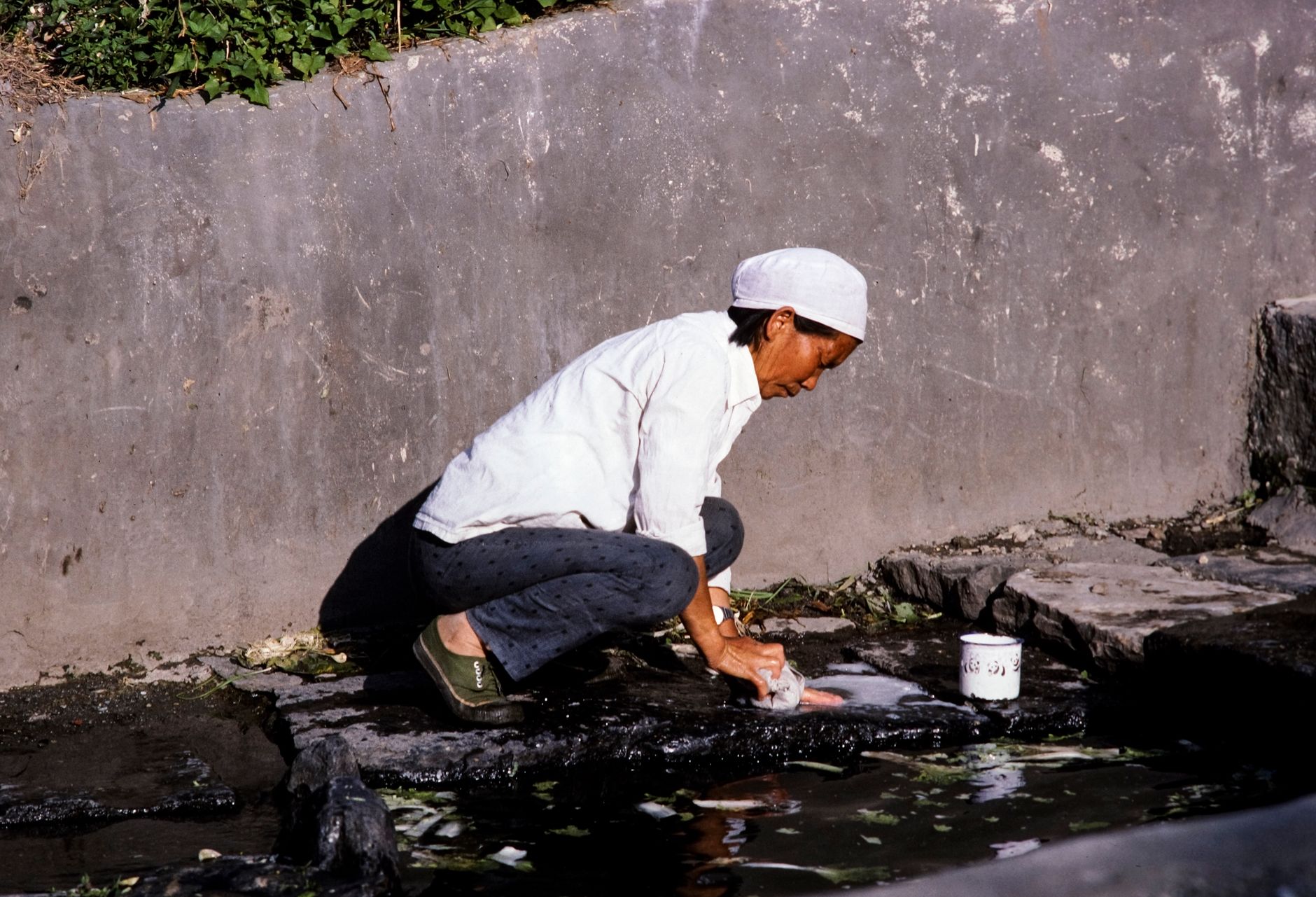
The Maid Out Back Was My Mother
I looked past her, through the glass, at the kitchen I had paid for, with the white stone counters I had chosen because she had scrubbed other women’s counters for thirty one years and never once had a nice one of her own.
“And today?” I said. “What’s today?”
“Trent’s golf league. The couples. Twelve couples, coming at one.” She touched the brush as though she had just remembered it. “He’s up for something at the club. Some committee. Jessica says today matters a great deal and it all has to be just right. I’m to stay in the kitchen once they come, and keep the dishes filled, and not.” She stopped.
“And not what?”
“And not visit with anybody,” she said. “Jessica tells people I’m the help. It’s easier. She says people at a club like that don’t understand a mother living in the laundry room, so it’s just easier to say I work here.”
She said it with no bitterness at all. That was the part that undid me. She said it the way she might have said the forecast called for rain.
I have thought a great deal since then about what I could have done in that minute.
I could have gone through those glass doors like a storm. Lord knows I wanted to. I could have had it out in that white kitchen with every word I had.
But I knew my sister. I had known her for thirty four years. Jessica could cry on command by the time she was nine, and she could turn a room. If I went in there shouting, then by one o’clock the story on that patio would be about a wild-eyed sister who had turned up out of nowhere and made a scene, and my mother would be standing in the kitchen doorway apologizing for me.
And there was something else. I looked at my mother kneeling there, and I understood that it did not matter very much what I said to Jessica.
What mattered was what my mother believed about herself.
Two years of being told she was a guest on sufferance in someone else’s house. Two years of forty dollars on Fridays. You do not undo that by yelling at somebody on her behalf. If I fought the fight for her, she would just have traded one person who made her decisions for another.
So I took my ball cap off and set it on a gold chair.
“Is there another brush?” I said.
She stared at me. “What?”
“Another brush. You’ve got this whole end to do, and the windows, and the ice. Is there another brush?”
“Rachel, you can’t.”
“I can scrub a floor, Mom. You taught me.”
She had, too. Saturdays, when I was eleven and twelve, at the dentist’s house on Walnut Street and the big brick place the bank president owned, me doing the baseboards while she did the kitchens. She used to say there was no shame in any work done well. She used to say it all the time.
There was a second brush in the bucket caddy. I got it, and I got down on the stone next to her, shoulder to shoulder, and I started on the rust stain from the other side.
For a minute she just watched me. Then, because she was who she was and the work was in front of her, she picked up her own brush.
We scrubbed.