The Maid Out Back Was My Mother
The side yard was the part of the house I knew best, because it was the part I had studied hardest in the listing photos. There was a flagstone path and a row of hydrangeas and a wooden gate with a black iron latch.
The hydrangeas were gone. Somebody had put in white gravel and three big concrete planters with nothing in them.
The gate was propped open with a paint bucket.
I heard her before I saw her. It was a sound I had known my whole life, a stiff brush going back and forth on something hard, a steady scratch, scratch, scratch, with a little splash now and then when the brush went back in the bucket.
I came around the corner.
The back of the house was all windows and a long stone patio that looked out over the fairway. There were six round rental tables set up with white cloths, and gold chairs, and a long buffet table with silver warming dishes lined up empty. There was a banner strung between two posts that read Stone Ridge Couples League, Fall Brunch.
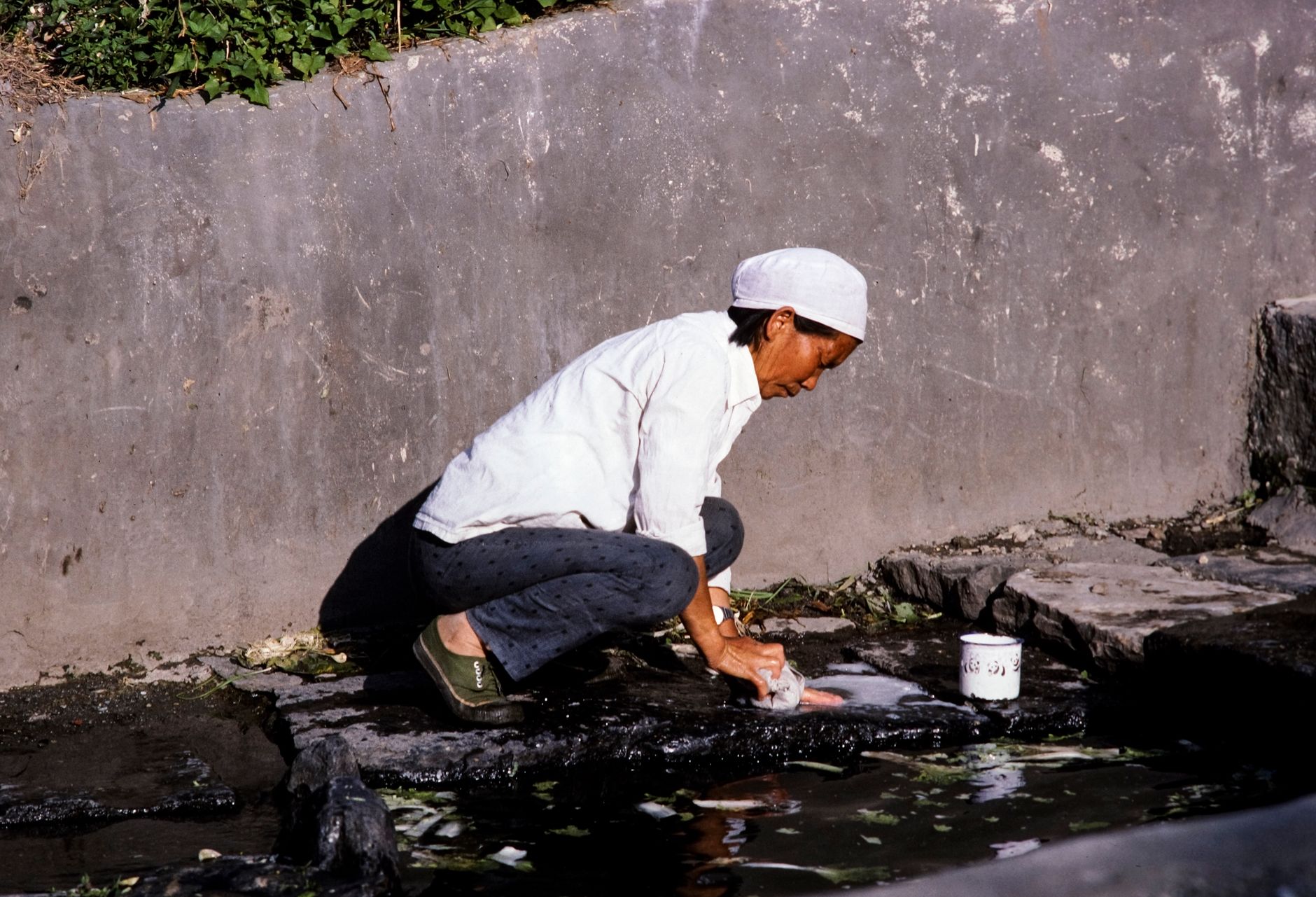
And down at the far end, by the outdoor fireplace, on her hands and knees on a folded bath towel, was my mother.
She was sixty eight years old.
She had on a gray T-shirt and a pair of men’s work pants rolled at the ankle, and her hair, which she had always kept set and colored a soft brown, was white and pulled back in a rubber band. She was scrubbing at a rust stain on the stone where a planter had sat. Her shoulders went back and forth. Her knuckles were red.
She was thinner than I had ever seen her.
I do not know how long I stood there. Long enough to see her sit back on her heels, press one hand into the small of her back, and breathe out slowly through her mouth, the way she used to do at the end of a day when she thought my sister and I were not watching.
Then she put the brush back in the bucket and leaned forward again.
“Mom,” I said.
The brush stopped.
She did not turn around right away. She held very still, like a person who has heard something in the house at night and is deciding whether it was real.
“Mom, it’s me.”
She turned her head.
I had imagined her face in that moment for six years. I had imagined her hands flying up, and the sound she would make, and how she would say my name.
She did not say my name. She looked at me, and the first thing that crossed my mother’s face was fear.
“Rachel,” she whispered. “Oh, honey. Oh, no. You can’t be here.”
I crossed that patio in about four steps and got down on the stone with her and put my arms around her, and she felt like a bundle of sticks in a T-shirt.
She held on. She held on so hard her wet hands soaked through the back of my shirt. But she kept saying it into my shoulder. “You can’t be here. Not today. They’ve got people coming today.”
“Mom.”
“She’ll be so upset. Honey, you should have called. You should have called Jessica first.”