The Door My Son Pointed Me To
“Your dad and I had a disagreement,” I said. “Grown people have them. It is not yours to fix, and it is not yours to carry around. Do you hear me? I am right here. I will be right here tomorrow. I am not going anywhere you can’t find me.”
Her chin wobbled once and held.
“Now,” I said. “Do you want a regular cinnamon roll, or the big one on the corner?”
“The big one.”
“That’s my girl.”
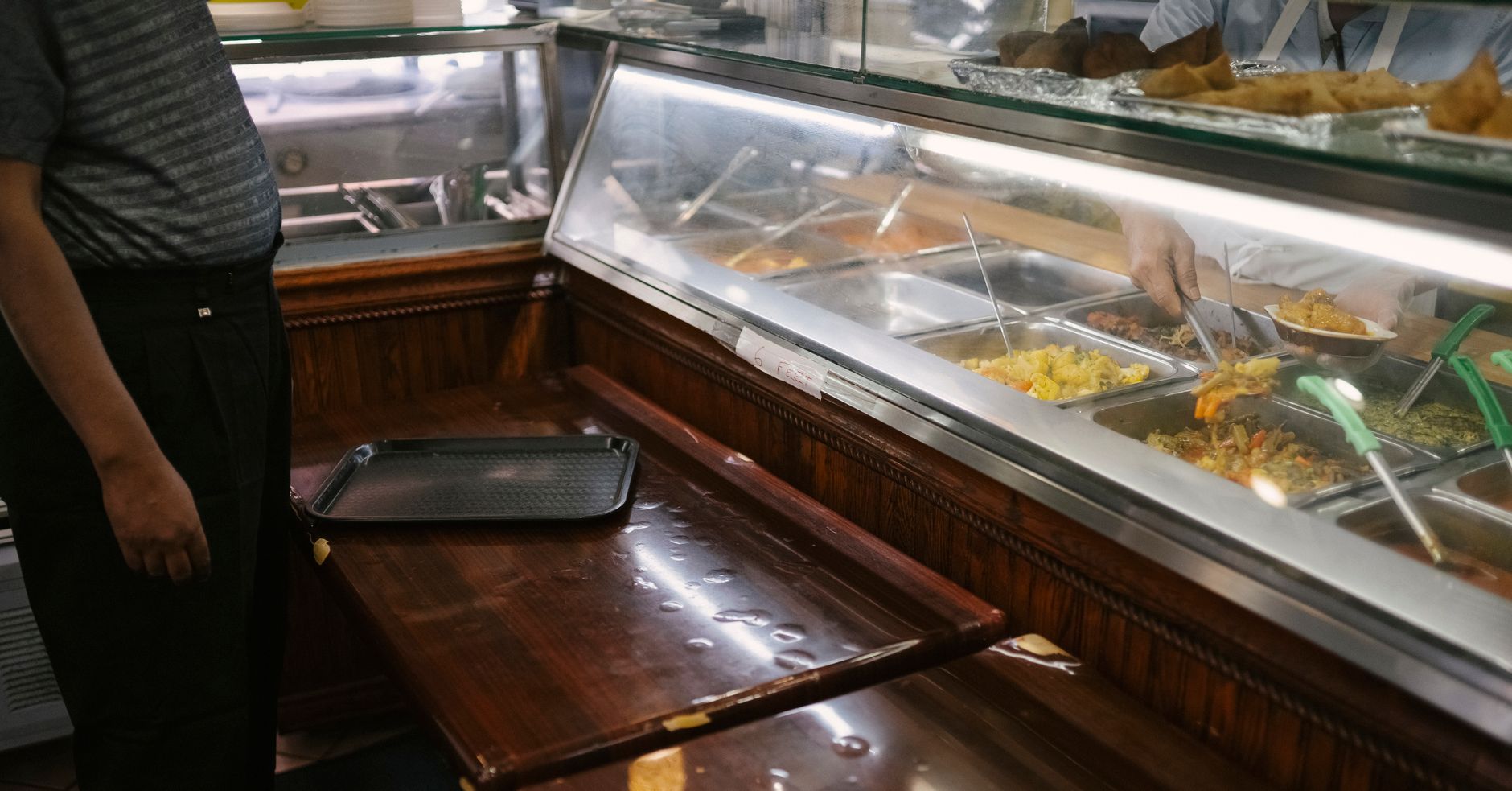
Mrs. Larson came up and laid her hand on Ava’s shoulder and walked her on down the line. Over the top of the glass she looked at me for one second. She did not say a word. She did not have to. I had seen that look across that cafeteria before, on days when a child said more than a child ought to know.
She came to the kitchen door after the lunch periods were over, while I was scraping pans.
“Gail.”
“I know.”
“I have to say something to her father. Not to stir anything up. But ‘again’ is a word I am obliged to pay attention to.”
“I know you are.”
“Is that little girl all right at home?”
I thought about how to answer honestly. “She’s safe,” I said. “He has never laid a hand on any of them, and he never would. He is not a cruel man. He’s a man who has gotten used to talking like one, and nobody has told him what it sounds like.”
Mrs. Larson nodded slowly. “Well,” she said. “Somebody told him today. She just wasn’t tall enough for him to hear it yet.”
I got off at half past two. But Kim had asked me to stay and help count the freezer for the Friday order, and it was twenty past three when I came out the side door with my purse, right into the middle of dismissal.
The parents who walk up stand along the fence by the front doors. There were thirty or forty of them, and I had fed a fair number.
Nathan was standing at the end in his work shirt, with Molly on his hip. He had taken the afternoon off, I found out later, because Brittany was out of personal days. Molly had on one pink boot and one sandal.
He did not see me. I was behind him and off to the side, by the bike rack.
Mrs. Larson brought her class out and let them go one at a time, the way she does, with a hand on each head. When she got to Ava she kept hold of her and walked her over herself.
“Nathan,” she said. “I need one minute.”
“Sure. Is something wrong?”
She did not take him aside. I have wondered since whether that was on purpose. She did keep her voice down. But it is a calm, clear schoolteacher’s voice, and it has been reaching the last row for thirty years.
“At lunch today, Ava asked her grandmother at the serving line why she works here now. Then she asked her whether you had been mean again. That was her word. Again. She said it in front of the class.”
I watched the back of my son’s neck go red, from the collar up.
“She said that?”
“She said that. She also quoted you. Something about a door.”
The two mothers standing nearest had quit talking. A man down the fence in a seed company cap turned his head.