The Door My Son Pointed Me To
She let that sit. Then she said, in a smaller voice, “Jack is telling the whole neighborhood you’re the lunch lady. He’s thrilled.”
“I know he is.”
“Ava’s not saying anything. She has gone real quiet. She asked me last night if you were mad at her.”
That one got under my ribs. “You tell her I am not mad at her and never have been one day in her life.”
“I told her.”
“Tell her again.”
Thursday was chili and cinnamon roll day.
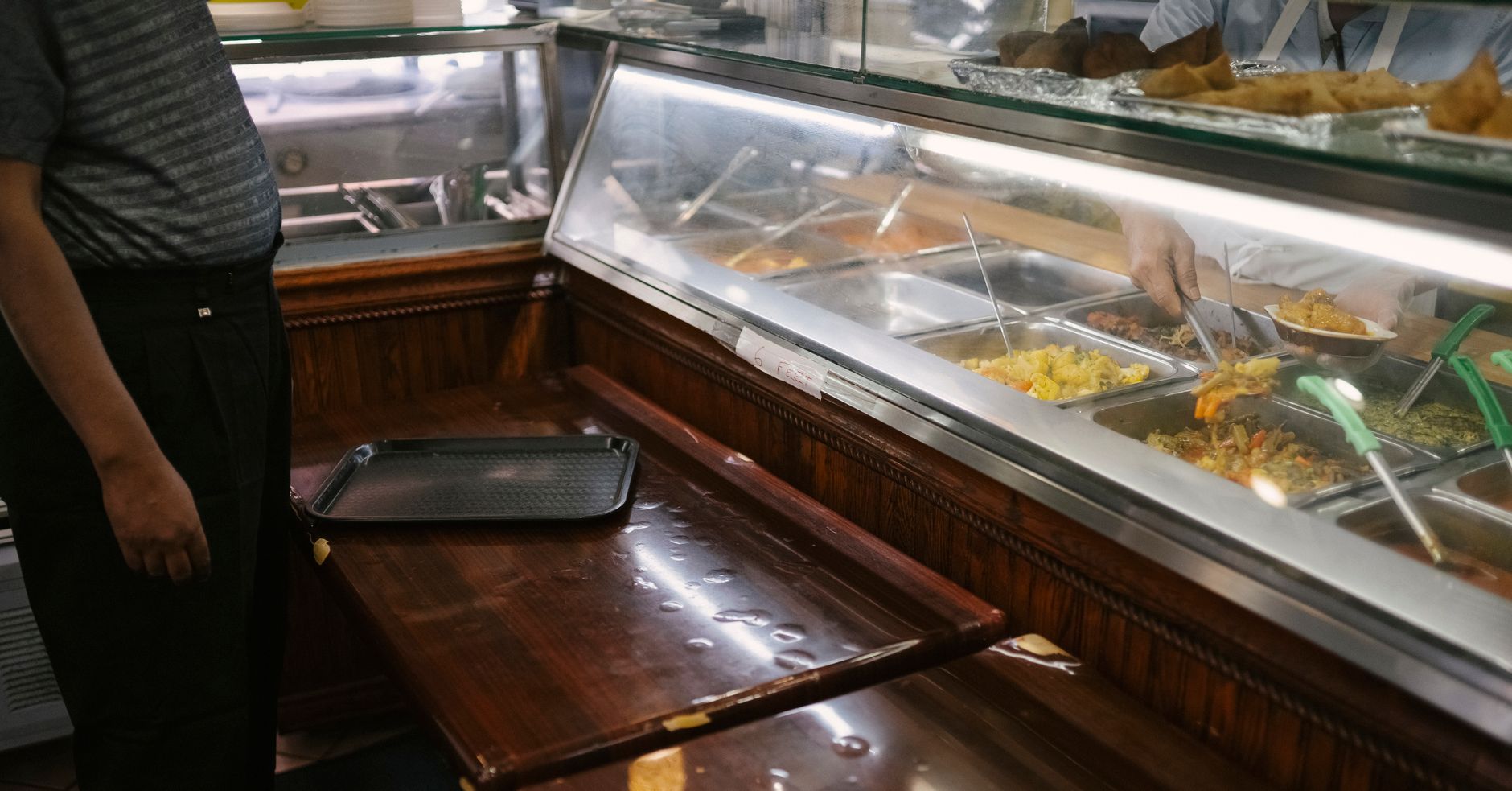
If you did not grow up in Nebraska, you will have to trust me that those two things go on the same tray, and that there is not a child in the state who does not know which day it is by the smell in the hallway at nine in the morning. We had been rolling dough since six. Kim put me on the chili, because I am steady with a ladle and do not slop.
At ten till noon the third graders came in. Mrs. Larson walked them down, as she had walked every class down for thirty years. She had taught Nathan in that same building. She had taught half the parents in town.
Ava was fourth in line, with a girl on either side of her. I could tell from across the room that she had decided something. She had her chin set. She gets that from Ray.
She came down the rail and stopped square in front of my window. She did not lift her tray.
Ava has a voice that carries. She has had it since she was a baby. It is not a loud voice exactly, but it goes all the way to the back wall of a room.
“Grandma,” she said. “Why do you work here now?”
The line behind her stopped moving. One of the little girls leaned around to look at me.
“Because I like it here, sweet pea,” I said. “I worked here a long time before you were born. Chili?”
She did not want chili. She looked me dead in the eye.
“Was Dad mean again?”
Again.
A school cafeteria never goes quiet. But our end of it did. Kim’s spatula stopped over the cinnamon roll pan. Mrs. Larson, who had been counting heads at the front of the line, turned all the way around. I stood there with a ladle of chili in the air.
And Ava was not finished. Once she has started a thing, she lays the whole of it out.
“He said the door is right there. I heard him. He says it to Mom too, when she’s sad about something. And then you didn’t come Monday, and Molly stood at the window with her shoes on and cried, and Dad said a bad word in the garage.”
Twenty-two third graders were listening. So were two aides and the custodian, who had picked that moment to come through with his mop bucket.
I had about two seconds. I could have said a good deal in them. It was all right there, four years’ worth, and a part of me that I am not proud of wanted every person in that room to hear it.
But I looked at her face. She was not asking for the gossip of it. She was asking whether the ground was going to hold. And whatever I said, she was going to carry it home in her backpack.
I put the ladle down. I leaned on the counter so I was closer to her height.