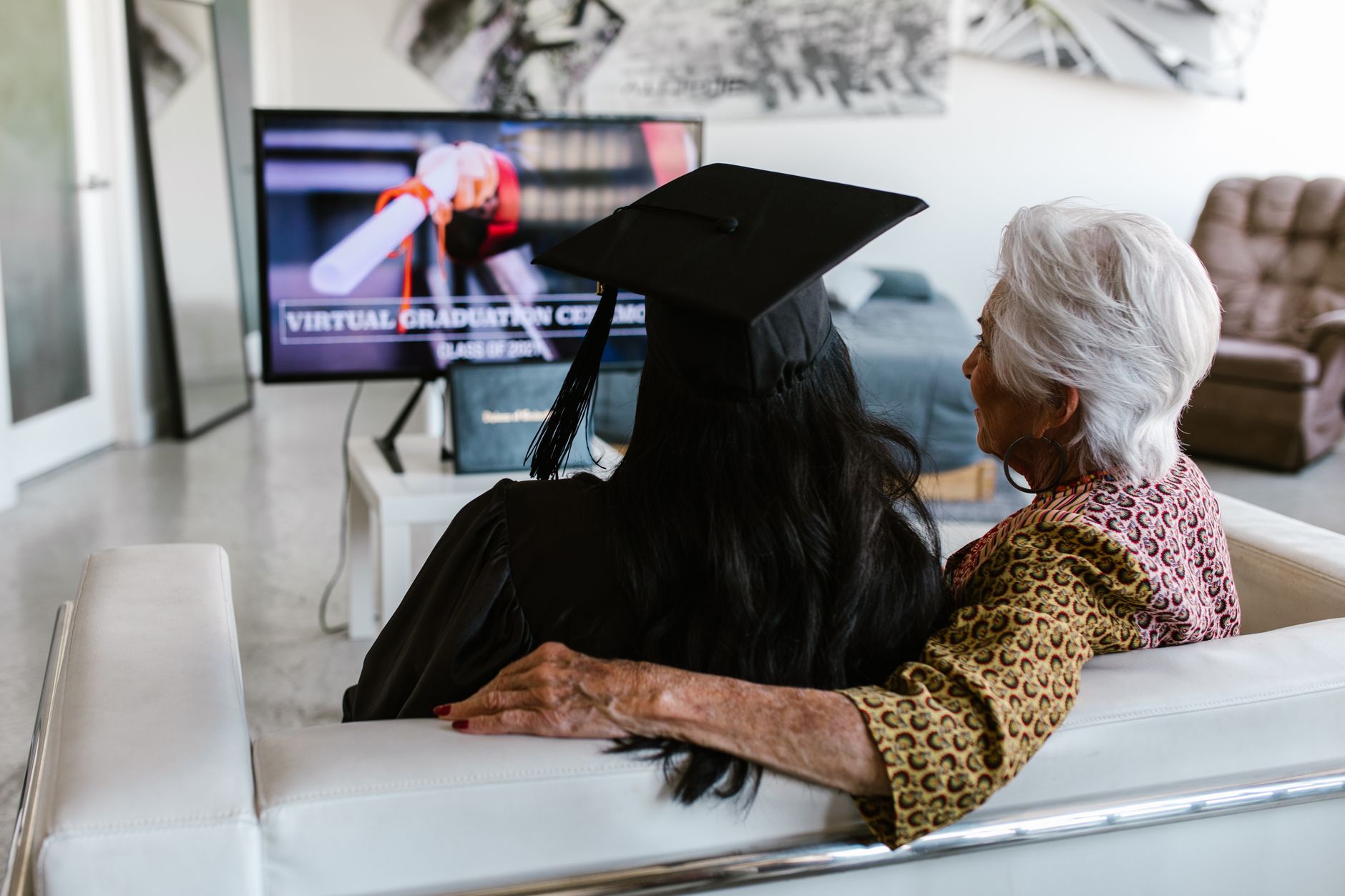
The Card on the Porch Rail
It was folded once. Five thousand dollars, made out to Paige in my best handwriting, the handwriting I save for sympathy cards and county fair entry forms.
Amanda saw what it was. She could not have seen the amount, but she saw the pale green paper, and her eyes went to it and then came back up to my face.
I put the check in the pocket of my cardigan.
Then I tucked the flap back in, and I set the card on the porch railing, square, with Paige’s name facing up. There was a pot of red geraniums on that railing. I leaned the card against the pot so the wind would not take it.
“That’s hers,” I said. “Just what I wrote. I’d be grateful if she got it tonight.”
“Kathy.” Amanda’s voice had gone a little thin. “You don’t have to be like that about it.”
“I’m not being like anything, honey. I’m going to go.”
I looked one more time at the bottom of the glass.
The loafers had backed up a step. That was all he did. My son, forty-four years old, took one step backward in his own front hall.
I went down the porch stairs holding the rail, because my knees had been folded up in a Buick since before sunup, and I walked the four houses back to my car with my purse on my shoulder and my hand in my pocket, flat against that check.
Nobody called after me.
I had the car started before I let myself breathe.
Let me tell you about the card, because it matters more than the money.
I bought it the week Paige was born. I was fifty years old and I was working nights as a nurse’s aide at the hospital in Scottsbluff, and I walked into the drugstore on Broadway on my way home from a shift and bought a graduation card for a baby who was four days old.
The girl at the register thought I was confused. I told her I was planning ahead.
It was a big card, the oversized kind, cream colored, with a plain gold cap on the front and nothing inside but white space. I took it home and I wrote one line in it.
“Day four. You have your grandfather’s ears and I am sorry and I am not.”
Then I put it in the top drawer of my dresser, under my good slips, and the next year on her birthday I took it out and wrote another.
I did that every year. One line, on her birthday, whatever was true that day.
I wrote in it the year she learned to say Grandma and it came out “Gammy Kath.” I wrote in it the year my husband Dale died, when she was six, and she climbed up in my lap at the funeral lunch in the church basement and patted my face with both hands and told me he could have her blanket. I wrote in it the year she was eleven and they moved from Lincoln to Kansas City for Jeremy’s job and the drive went from six hours to nine.
Eighteen birthdays. Eighteen lines, and the very first one from day four at the top. I filled the inside of that card, both sides, in handwriting that got a little shakier toward the bottom.
The money I started the same week.
Five dollars a week. That was what I could do on an aide’s wages with a husband on disability, and I did it. Every Friday I walked five dollars to the credit union on Avenue B and put it in a savings account, and the tellers got so they had the slip filled out before I reached the window.