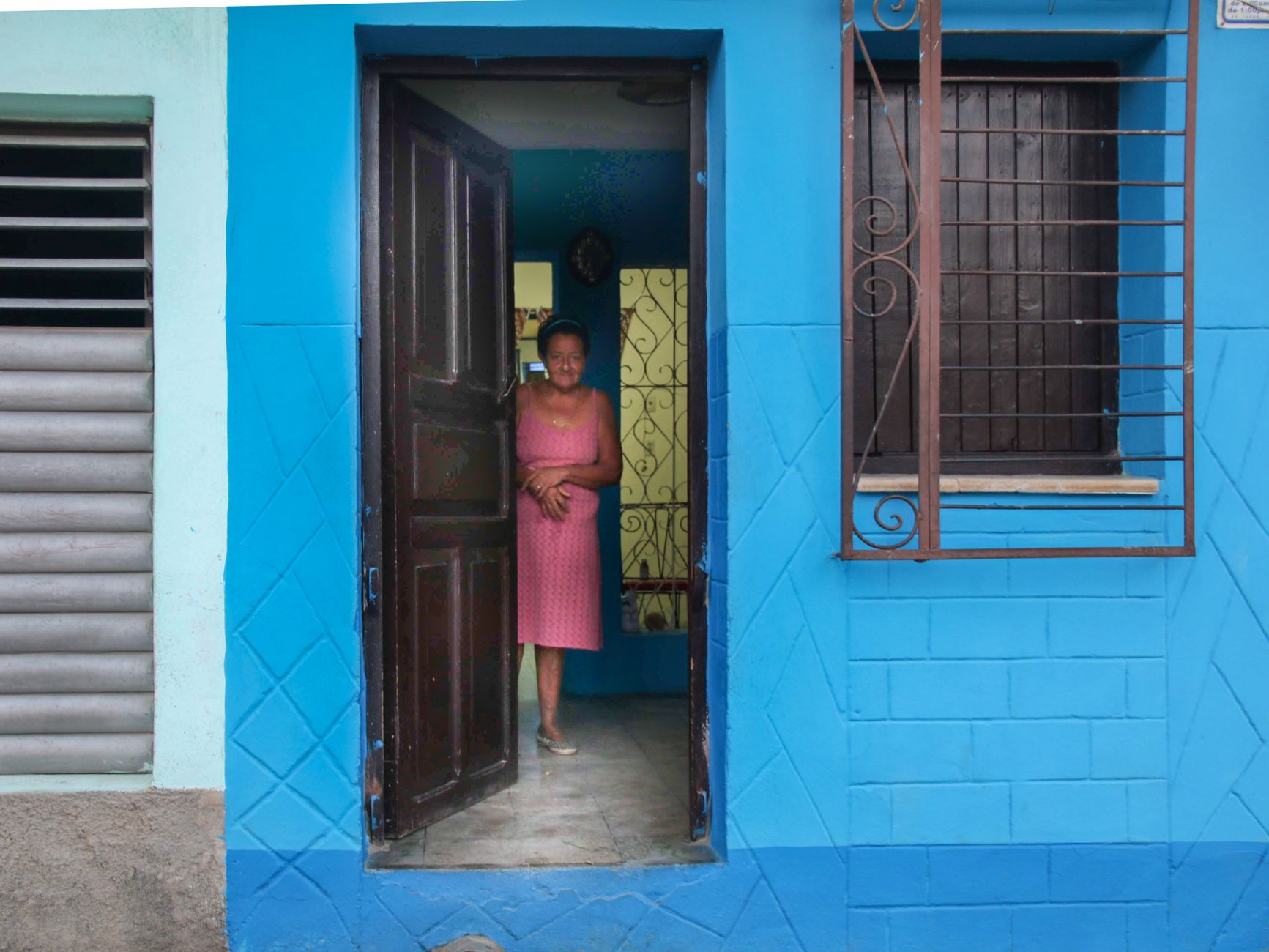
The Two Bags My Mother Carried
I went in the bathroom and I ran the water so she would not hear me, and I put my fist in my mouth, and I cried like I have not cried since they came and told me about Daddy in the combine.
Then I washed my face and I came out and I started figuring out how to make it right.
The first thing I want to say about what came after is that I did not do it. Not me alone, and not even me and Russ. I want to say that plainly because the easy version of this story is the one where the good daughter rescues her mother, and it was not that. It was a whole town. It was Birchard. And that is the part worth telling.
I did not go around telling people what Craig had done. I want to be clear about that too. I am my mother’s daughter and some of that code is in me, the keeping of things in the house. But a town like this does not need you to make an announcement. A town like this runs on information the way a body runs on blood, and the information got around on its own, because my mother was a known woman, because she had taught half the Sunday school classes that half the town had sat through, because her green beans had been at every funeral dinner for thirty years. People noticed when Faye was suddenly at the diner on a Tuesday morning sitting in my section while I worked. People asked. I said, as little as I could, that Mom was living with us now. But they are not stupid, the people here. They did the math. They knew she had sold the farm to go to Craig’s. And now she was in my spare room with her things in grocery bags, and Craig’s new boat was parked in his Lansing driveway, and nobody had to say a word for everybody to understand exactly what kind of thing had happened.
And then they just started showing up.
Dot, who owns the diner and who is seventy-one herself and has not taken a day off since Reagan, came out to Pruitt Road on a Sunday with a bed. A real bed, a good one, her spare, in the back of her nephew’s truck, because she had heard Mom was sleeping on our fold-out and that would not do for a woman’s back. Carl Sayler, who runs the feed store and who you would not pick out of a lineup as a sentimental man, built my mother a ramp for the front steps over one weekend and would not take a dime for the lumber, and when Russ tried to pay him Carl got almost angry and said, “Faye Dillard brought food to my mother’s house every day the last month of her life, Russ, now let me build the ramp.” I did not know that. My mother had never told me that. There is a whole ledger of things my mother did for this town that she never told anybody, and that fall it all came back to her at once, like the town had been keeping its own quiet books.