The Porch Light My Mother Left On
My mother’s eyes lit with something close to joy. She had been wondering whether I would honor the arrangement. She rose, picked up the manila folder, and turned it outward so the highlighted pages caught the fluorescent light.
“Adele,” she said, in the voice she used for church announcements, “you owe your brothers a future.”
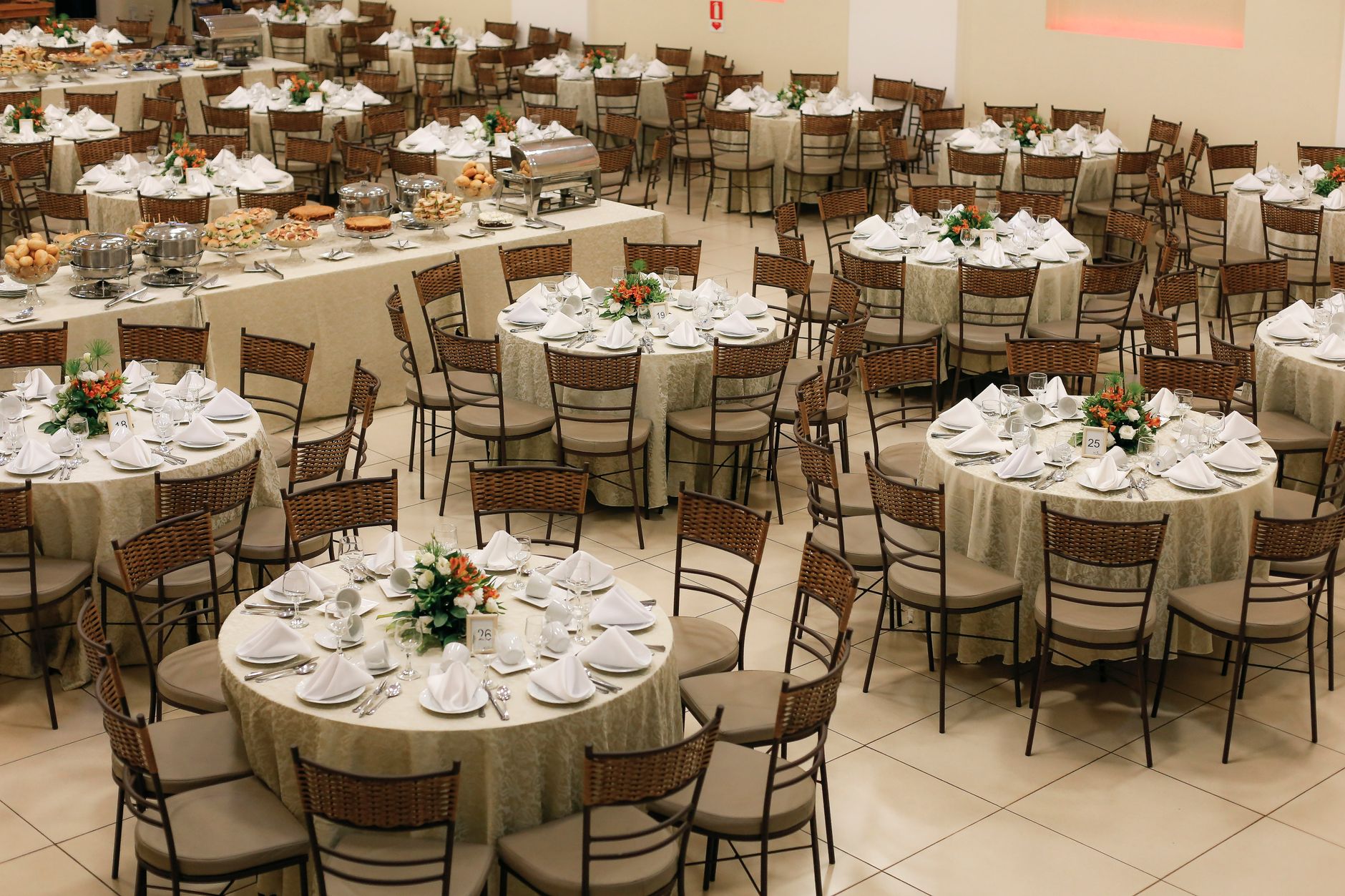
A hundred and forty people held their breath. Dixie, I saw, had her hand over her mouth. They had expected a gift, not a request.
My mother was not finished. “Those boys are good boys,” she said, turning to the room. “They have worked hard. Their father and I have given them every single thing we could, and it is time their sister did her part. Three hundred and ten thousand dollars is not too much to ask for family.”
She sat down. She was flushed.
I walked to the microphone and laid my hand on the stand.
“Yes,” I said. “I do owe them a future. Let me tell you what I think that word costs.”
I had not said anything else when a chair scraped in the back of the room.
Charlene Zimmer was on her feet.
She was holding the edge of the table with both hands, and she was shaking, and she did not sit back down.
“Dixie,” Charlene said, “I have a question for Bernice, if the chair will let me ask it.”
Dixie looked at me. I did not say a word. Dixie looked at the stage, at the table, at the hundred and forty faces, and she did what a woman does who has run a community for thirty years and knows when something needs to be allowed.
“The chair recognizes Charlene Zimmer,” Dixie said.
“Bernice,” Charlene said, loud and flat and clear, the voice she used to quiet forty children on a bus. “How much was Pete Yates’s settlement from the co-op?”
My mother did not turn around. “I do not see what that has to do with tonight.”
“Humor me.”
“This is a family dinner,” my mother said, “not a courtroom.”
“Thirty-eight thousand four hundred dollars,” I said into the microphone.
My own voice came back at me off the paneling. In the front row, Shane lifted his head.
“It was put in a savings account for me when I was eleven,” I said. “For college. My father’s life, turned into a number so I could go somewhere. The account was closed the winter after the funeral, by the custodian, which was my mother.”
“That is a lie,” my mother said.
“I did not say anything yet,” I said, “except what the credit union will tell anyone who asks. And I am not asking anyone to take my word for it.” I looked down at my brothers. “Shane. Troy. You were told something about that money. I would like you to tell this room what it was.”
Nobody moved.
Then Shane Zimmer stood up.
He was a big young man in a coat that did not fit, and he looked at his mother, and his face was the color of paper.
“Mom told us,” he said slowly, “that Adele took it. That she walked into the credit union when she was sixteen and cleaned out the account, and ran off, and left us broke. That is why there was no college fund. That is why Dad lost the truck.”
A sound went through the room, like wind through a field of dry corn.
“Is that what happened?” Shane asked his mother. “Did she take it?”
“Sit down,” my mother said.
“I asked you a question.”